
When the economy contracts, fundraisers are often the first to feel the pinch. When community needs rise, fundraisers are often the first asked to do more with less. And now, as the digital fundraising landscape shifts beneath their feet, fundraisers are among the first ones being asked to … just … figure it out!
The M+R 2025 Benchmarks report captures the scale of this shift. In 2024:
- Email revenue declined by 11% on average.
- Revenue from Facebook Fundraisers decreased by 42%.
- Email list growth slowed to 3%, click-through rates held flat, and the share of people who clicked and then donated dropped by 13%.
What we thought was working isn’t working any longer. The so-called efficiency of digital fundraising is losing its luster. And fundraisers are left wondering what to do as we face the unknown of a tech world dominated by AI.
My experience as a nonprofit fundraising strategist bears all of this out. My clients are struggling to grow email lists, seeing next to no ROI on social media fundraising, and watching email lists that once generated reliable revenue struggle to deliver.
And yet some of my clients are thriving. By implementing the systems I’ll describe below, I helped one of my Nurture & Grow clients increase their donor retention rate from 12% to 63% in just six months. Donors weren’t just returning, they were calling the office to ask if a campaign goal had been met or whether there was anything coming up they could get involved in.
What separates these organizations from the ones that are struggling? They’ve stopped treating digital tools as the destination and started using them as infrastructure—a spine that holds the fundraising program together while creating space for the thing that has always worked: relationship building, authenticity, and 1:1 donor outreach.
I’ve never been a digital-first fundraising advisor. My focus has always been on community-focused, relationship-based fundraising. But I’m far from anti-technology. One of the tools I come back to again and again with clients is Neon CRM, specifically its Automated Workflows feature.
Here are three workflows I’ve created with clients that are helping them build engaged, energized audiences that are excited to give.
Automated Workflow #1: The 90-Day Welcome Series That Ends With a Phone Call
Lead generation is getting harder, as the M+R data confirms. That makes it even more important to deliver an excellent experience to the people who do sign up, because right now every single subscriber counts.
Instead of the standard three- to five-email welcome series, I work with clients to build sequences of eight to 12 emails that span the full first 90 days after sign-up. Research suggests this is roughly the lag time between someone learning about an organization and making a first small gift.
We pack the emails with introductory knowledge—not solicitations—covering the organization’s mission, vision, values, ways of working, stories of impact, financial transparency, theory of change, and evidence that the theory of change works. The final two to three emails are solicitations.
If a solicitation results in a donation, the workflow notifies my client, who then calls to thank the donor and ask what inspired them to give—building the relationship and gathering data about what’s landing in the email series.
If the welcome series doesn’t convert, the workflow still notifies my client, who calls to thank the subscriber for signing up and asks if they have questions about the work or want to get involved.
This is a radical departure from the hands-off approach most nonprofits take, but it ensures that even a small email audience generates its maximum fundraising potential.
Automated Workflow #2: Donations Trigger Offline Thank You Points
Neon CRM Workflows also allow us to build stewardship systems that run largely on autopilot, sending reminders to the right people at the right time, and even routing tasks to the specific staff or board member responsible for each touchpoint.
Here’s an example:
A client wants to thank every first-time donor with a personal email, a phone call, and a handwritten note, spaced out so that the donor receives multiple expressions of gratitude over several weeks. We set up a workflow that triggers when a first donation is made.
The first workflow step emails the office manager with a copy-and-paste thank-you template pre-filled with the donor’s name and gift details. The office manager copies this into their personal email and sends it. Easy, quick, and high-impact.
After a seven-day time delay, the Development Director receives an email with the donor’s name, gift amount, gift date, and phone number, along with a call script. Approximately one week after the donation is made, the donor gets a surprise thank-you call!
After a fourteen-day delay, an email goes to the chair of the Fundraising Committee of the board, who keeps a stock of branded thank-you notes, envelopes, and postage stamps at home. The board member receives the donor’s name and mailing address and writes a personal note. (Bonus points if they snap a photo of the note to load into the donor’s Neon CRM account.)
The result: Within weeks of making a first gift, a donor has heard from three different members of the organization. Without any other interventions, instituting a workflow like this has doubled or even tripled the donor retention rates of some of my clients.
Automated Workflow #3: Content Engagement Triggers An Invitation to Offline Engagement
For organizations that offer specialized lead magnets—downloadable guides, toolkits, and the like—workflows can extend the value of that content and turn it into a relationship-building opportunity.
When one of my clients created a “Know Your Rights” guide, we set up a customized welcome series built around it.
A Neon CRM Account Creation system email immediately delivered the guide for download. Three follow-up emails enhanced the experience of the guide itself (built in Workflows). At the end of the sequence, an internal email went to their grassroots organizer to call the individual and ask whether they’d be interested in volunteering.
For a brand-new organization that needed not just donors but people to power its operation, this workflow became a key recruiting tool for connecting with people who had already signaled their interest by downloading the guide.
The Infrastructure of Relationship
These systems solve a cluster of problems that organizations face today.
On the donor side of things, they maximize engagement with smaller audiences; demonstrate real value to donors who are more cautious about where they give; and leverage digital tools to create the offline, in-person experiences that donors are craving.
On the nonprofit side, these automated processes reduce burnout because they allow fundraisers to focus on what they’re best at and what made them want to fundraise in the first place: building relationships!
The shift I described earlier (from 12% to 63% donor retention in six months) didn’t come from changing how that client asked for money. It didn’t even require a major overhaul of their stewardship efforts. It came from adding workflows and processes that got them out from behind their computers and into their donors’ lives.
The donors’ enthusiasm was contagious, so we saw staff morale improve as the sense of “we’re doing this alone” lifted, and both employee and donor retention rose together.
Nonprofit organizations face real headwinds right now: an epidemic of loneliness, donors overwhelmed with causes to choose from, nonprofit staff stretched thin, and shrinking reach as social media algorithms favor advertisers and AI increasingly filters out our emails before they ever reach an inbox.
But my clients are proving that a return to what made fundraising work in the first place doesn’t just yield results. It makes fundraising more—you’ll forgive the pun—fun.
And that’s a win every organization needs right now.
About the Author
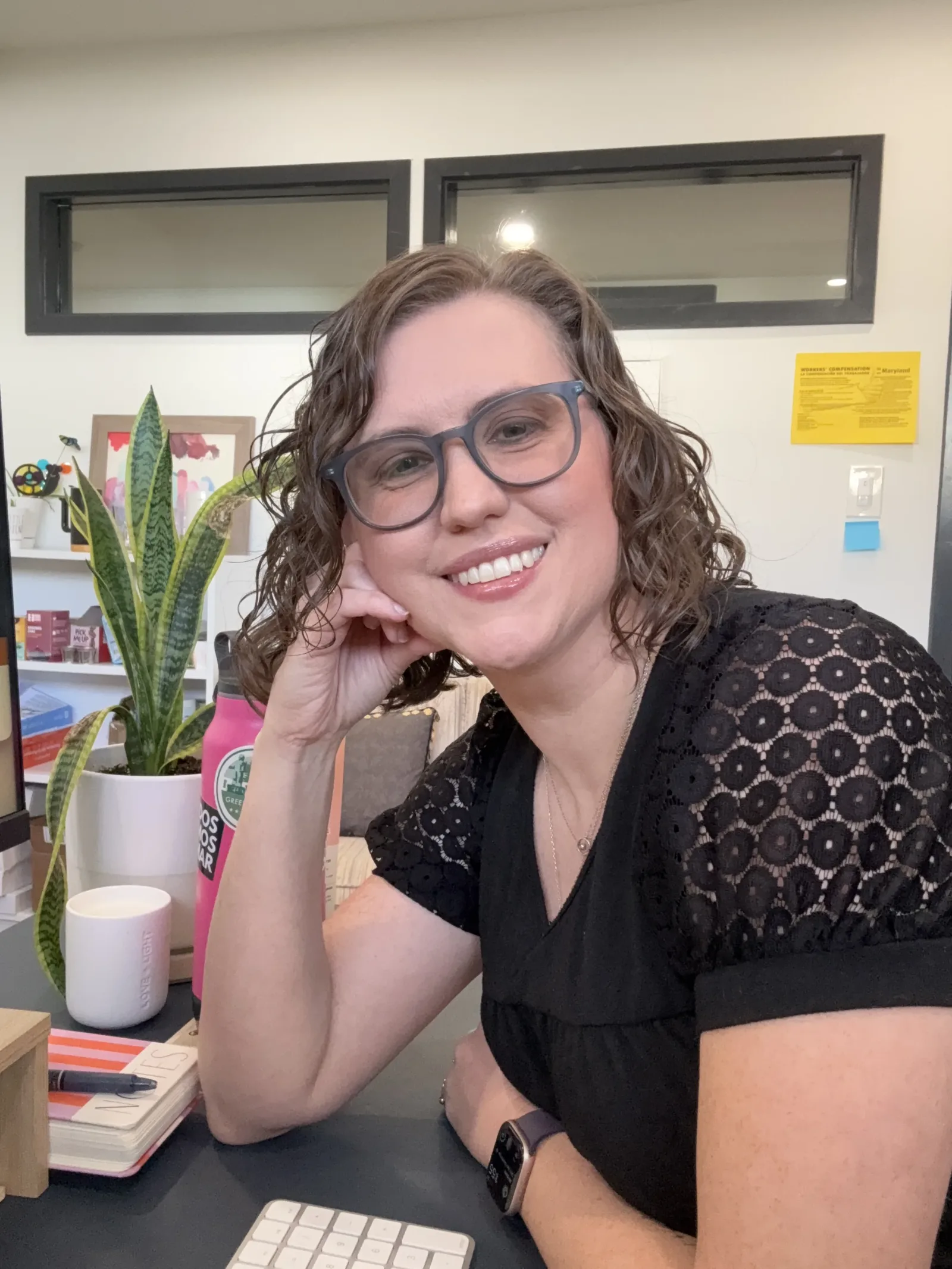
Kelly McLaughlin is the founder of From Scratch Fundraising, where she helps nonprofits that are fundraising at the margins of mission build individual giving programs that actually rise. With a love for crafting the perfect recipe for success, she is a trusted Neon One partner who excels in assembling the essential ingredients to make your individual giving program not just efficient but downright delightful for staff and donors alike.