
You did it! Your campaign reached its goal, the ribbon’s been cut, and the photos are posted. With this huge milestone achieved, you can finally pat yourself on the back for a job well done.
But here’s the truth: the end of the campaign isn’t really the end. It’s the moment when donor relationships either deepen or start to atrophy. What happens after you reach your goal will shape donor loyalty and fundraising outcomes for years to come.
Ultimately, the post-campaign phase is just as important as the campaign itself. To maintain your donor relationships long after your campaign wraps up, we’ve put together eleven practical tips for nonprofits.

11 Practical Tips for Campaign Follow-Up
1) Make a short post-campaign plan
Before the dust settles on your campaign celebration, outline a simple plan for what comes next regarding communications, recognition, pledge collection, reporting, and evaluation. For each task, assign team member names and select completion deadlines.
Your fundraising software can help manage all of your post-campaign planning, but remember that you don’t necessarily need a robust document. A two-page checklist that gets used is far better than a 20-page playbook that sits untouched.
2) Give insiders the first update
Start with the people who helped make your campaign happen, such as board members, campaign committee members, lead donors, and other major supporters. Let them hear the good news directly from you by:
- Calling them on the phone
- Sending a handwritten, personal note
- Meeting in person, such as for lunch or coffee
The small gesture of ensuring they’re the first to know demonstrates to major supporters how much their generosity directly fueled your campaign’s success. When people feel like insiders, and when they feel authentically seen and appreciated, they stay invested.
3) Share project progress and impact
As soon as progress on the project your campaign funded starts, start sharing photos, stories, and updates about it with your donors. This allows donors to see that your nonprofit is following through on its campaign promises and also helps them understand exactly what their gifts funded.
4) Get every gift documented
If any verbal commitments are still floating around, lock them in with a simple, consistent pledge form. Use your CRM to track and follow up with pledge donations.
If a gift hasn’t been finalized, send a warm, friendly note that restates the verbal commitment and explains why having documentation helps with accuracy and stewardship. Or, consider instilling a sense of urgency by connecting confirmed pledges to a tangible event, such as a groundbreaking, match deadline, or upcoming report.

5) Make pledge reminders feel like impact notes
Pledge reminders that look like bills turn donating into a transaction. Instead, start your reminders off with a story about your campaign progress and then include the payment reminder.
6) Recognize donors in ways that fit your nonprofit’s culture
Some donors love public recognition, while others prefer to stay behind the scenes. Make note of those preferences early, and ensure your appreciation efforts reflect them. Meet with your board to create a recognition plan that fits your budget and will meet donor expectations.
For example, if your major donors appreciate a bit of public spotlight, you might turn your signage or a donor wall unveiling into a party, and follow it up with photos and a heartfelt thank-you.
7) Keep appreciation small and sincere
You don’t always need a gala to show gratitude. Sometimes, a hard hat tour, coffee with a program director, or a student visit makes a bigger impression. Maintain a rotating calendar of small, meaningful touchpoints for each donor. Log notes about these activities in your CRM to ensure all supporters get appreciated and that each recognition event is personalized.
8) Keep your volunteer leaders close
Campaign chairs and committee members hold so much wisdom, and many are eager to stay involved with your nonprofit after your campaign wraps. Host a short debrief to capture what worked, what didn’t, and what they’d like to do next. Some may want to join your development committee or help with cultivation events. Record their preferences and follow through.
9) Write two reports—one for the world and one for your team
Your external report should focus on your successes, sharing how much was raised, what was funded, and who led the effort. Your internal report should be honest, thorough, and include details about what worked, what didn’t, and what materials you want to keep for next time.
10) Ask donors about their experience
Pick a handful of donors across giving levels and ask for feedback about their experience with your campaign. What did they think went well? What could be better? Keep your survey short and conversational.
Compile your surveys, summarize the major takeaways, and share the results with your team. A few small tweaks can make a big difference in future campaigns.
Selected post not found.
11) Transition campaign donors into long-term engagement
Your campaign likely brought in new donors and stretched existing ones. Pull lists of first-time donors and major supporters who made their biggest gifts ever. Create tailored follow-up plans for both of these groups, such as a welcome series or an invitation to make a recurring gift for new donors, and event invitations and personal meet-ups for major donors. Time future asks so they align with pledge schedules and feel respectful.
Set Up Your CRM To Make It All Easier
Smart tags and segments
Tag campaign donors by role, recognition preference, pledge status, and program interest. Build saved segments for insiders, major donors, new donors, and donors with outstanding installments.
Task workflows
Create workflows for pledge reminders, thank-you calls, event follow-ups, and report delivery. Assign owners and due dates. Roll up task completion in a simple weekly dashboard.
Document storage
Store signed pledge forms, recognition approvals, and naming agreements in your contact record. Link campaign policies and internal reports so staff can find relevant information and answer donors’ questions quickly.
Preference tracking
Capture communication and recognition preferences during solicitations and events. When donors tell you something new about themselves, update their profiles so you can leverage this information for future interactions.
Calendar ties
Link outreach to milestones such as project updates, ribbon cuttings, or match deadlines. Benchmarks give donors a clear reason to act and give staff a natural cue to reach out.
Wrap It Up!
Capital campaigns build buildings, programs, and endowments, but they also build relationships. With clear systems, thoughtful follow-up, and steady communication, your campaign can become a long-term relationship engine.
Put a few of these tips into practice today, and you’ll feel the difference when your next appeal goes out, and especially when your next campaign begins.
Want to learn more about Neon One and how it can help you do all this and more? Check out this self-guided tour of the platform!
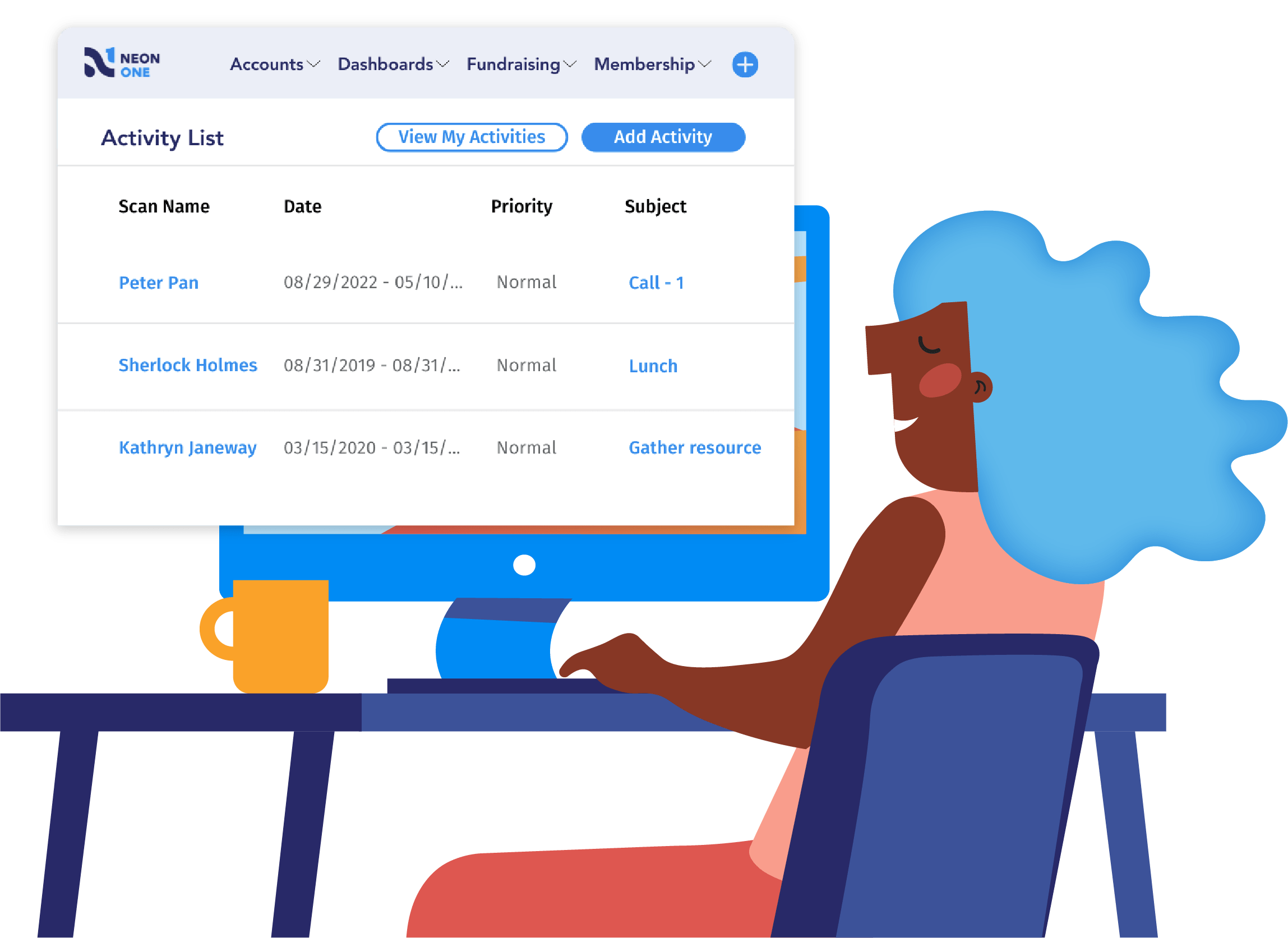
See Neon One’s CRM in Action
Take this self-guided tour and see how top nonprofits build community, raise more, and save time with a single platform that manages it all!