
Anyone who’s run a peer-to-peer fundraising event has been there: You pour time and energy into recruiting participants, only to watch a small fraction of them actually, well, participate.
This pattern is so common that it has a name: The Pareto Principle. When it’s applied to peer-to-peer fundraising, it means that about 80% of your revenue tends to come from just 20% of your participants.
But what if there were a way to shift that balance? What if you could use some tried-and-true methods to boost participation in your event?
You can. That’s where gamification comes in.

What Is Peer-to-Peer Gamification, Anyway?
Gamification sounds like a buzzword, but it’s actually a simple, powerful concept: It’s the practice of using gameplay elements—things like progress bars, badges, and leaderboards—in non-game settings. You’ve probably seen it in action, even if you didn’t realize it at the time.
Have you ever completed your LinkedIn profile so you could fill in the little bar that tracks your progress? Or have you done a quick Duolingo lesson late at night so you can keep your streak?
Or did you ever check in on Foursquare (remember Foursquare??) just so you could be the “mayor” of your favorite coffee shop?
That’s gamification at work.
Gamification works because people like games. We like feeling accomplished, meeting milestones, and reaching goals. Some of us even like a little friendly competition.
So what happens when you add gamification elements to your peer-to-peer fundraising campaign? Let’s talk about it.

Why Peer-to-Peer Gamification Increases Participation (and Revenue)
Most of your peer-to-peer participants are probably already emotionally invested in your cause and are looking for ways to make a difference. They care about your work, and they want to help!
But that doesn’t always translate into actively raising money on your behalf. This is especially true if someone is new to fundraising or doesn’t know how to get started.
Gamification helps bridge that gap. When you turn fundraising into a game, you can make it easier (and more fun) for people to take that first step.
And, because of a neat little phenomenon called “cognitive momentum,” you’ll be able to use gamification to inspire them to keep going once they’ve started.
Here’s why gamification works:
- It gives people a clear path forward. When you ask someone to meet a fundraising goal, that can feel overwhelming. Gamification breaks goals into bite-sized pieces and offers visual cues that show progress. Being asked to raise $1,000 can be intimidating. Being asked to get your first donation is easier. Being asked to get to $100 feels more doable after getting your first gift. And so on. You’re guiding people through the process of hitting big goals by breaking them into smaller milestones and rewarding progress.
- It sparks friendly competition. Seeing that a friend or teammate is a top fundraiser can be a powerful motivator. You can try encouraging competition between fundraisers (who can raise the most? Who can recruit the most new participants?) or between teams. This can be even more fun if you have really desirable incentives for people who come out on top.
- It rewards action. Whether it’s a digital badge, a shout-out in your email newsletter, or simply the warm-fuzzies after getting an email thanking them for their work, recognizing your participants goes a long way in making them feel seen and valued. This achieves two things: It makes your current supporters feel great about their involvement, and it signals to potential future participants that their efforts will be seen and appreciated.
Using gamification elements to achieve these results doesn’t mean you have to completely overhaul your existing campaigns. Just adding a few thoughtful peer-to-peer gamification elements can have a big impact.
How to Add Gamification to Your Peer-to-Peer Campaign
If you’re new to peer-to-peer gamification, don’t worry. You don’t need to be a seasoned peer-to-peer event planner to use it. You just need a clear goal and a few simple tools in your peer-to-peer fundraising platform!
Here’s where to start.
1. Set Clear, Achievable Goals
Start with your overall fundraising goal, then break it down into team and individual goals. Be ambitious—but keep it realistic. A “stretch goal” is motivating. An impossible one is demoralizing.
If you’ve run peer-to-peer campaigns before, use your past performance to inform your current goals. Did your participants blow their $500 fundraising goals out of the water really early in the campaign? Try bumping it up to $800. Did nobody meet their $2,000 fundraising goals? Try dropping that goal a little.
Pro tip: Goals are more engaging when they feel personal. If your platform allows it, let fundraisers set their own goals (with your guidance, of course).
2. Use Progress Trackers
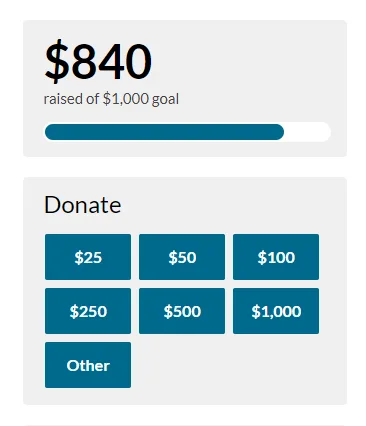
Use visual progress trackers to show participants how close they are to reaching their goals. This can be as simple as a thermometer graphic or a percentage bar that fills up as they fundraise.
Take it from the author: wanting to fill up a progress tracker can be a compelling reason to donate (I’ve even made more than one gift to make it happen!).
Pro tip: Showcase progress at every level! Highlight individual, team, and campaign-wide progress to keep everyone engaged no matter where they are on the leaderboard.
3. Celebrate Milestones
Don’t wait until someone hits their goal to recognize them. Celebrate the small wins! Did someone raise their first $100? Did they recruit their first participant? That’s worth a high-five (or at least a badge and a congratulatory email).
Pro tip: You can automate a lot of different recognition emails! Set up email triggers that send celebratory messages when a fundraiser hits 25%, 50%, or 75% of their goal. It’ll make people feel seen and keep them moving forward.
4. Embrace Friendly Competition
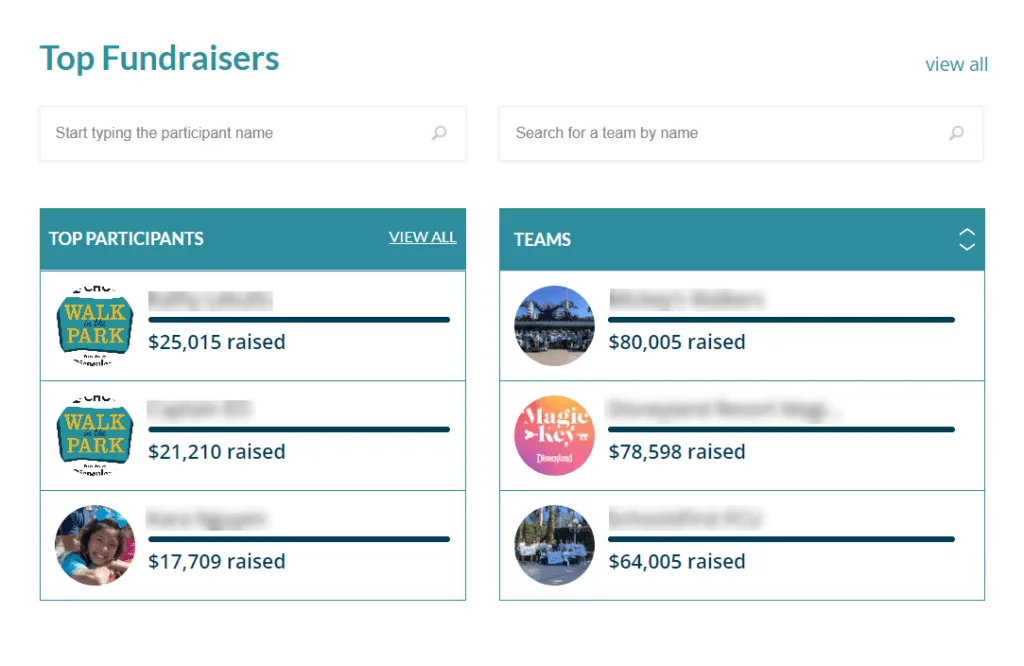
A little competition goes a long way, especially if you’ve got a really engaged participant base. Display a leaderboard of top fundraisers or teams, then encourage people to compete for first place. Offer small perks or public recognition to the folks at the top.
Ideas for incentives:
- Custom swag for top fundraisers
- Exclusive access to a special event or experience
- A spotlight in your next donor newsletter
Pro tip: Highlight top fundraisers in your event communications. Share their stories and thank them publicly. That kind of recognition can turn a one-time fundraiser into a long-term champion. You may even want to consider inviting them to be team captains or mentors for other participants in future campaigns.
Sum Up Peer-to-Peer Fundraising Gamification
You’re never going to get 100% of your peer-to-peer participants active in raising money ( if you do, email us immediately. We want to know what you’re doing). And that’s okay!
But by using gamification, you can encourage more participation from more people. By motivating more people to start raising money and then make it easier for them to stay engaged, you’ll ultimately raise more money to support your mission.
The best part is that this can have a huge impact beyond meeting fundraising goals. When you gamify your campaign, you’re building a more connected, enthusiastic, and motivated community of supporters.
So go ahead! Turn your next peer-to-peer campaign into a game. Your fundraisers will have more fun, and you’ll have a more successful event.
Want Help Planning Your Next Peer-to-Peer Event?
Whether or not you’re using gamification in your next peer-to-peer event (though we sincerely hope you do), planning any campaign like that is a big task. We have something that will help!
Check out Neon One’s fundraising event planner. It covers the steps you’ll want to take to plan your next event, including planning worksheets you can use to guide you through the process. You’ll also find some social media and email fundraising templates you can give your participants to encourage them to get started.
Want help planning your next fundraiser?
Our nonprofit fundraising event planner walks you through the entire process from start to finish, with expert insights and free resources to help guide you.