
dIn the nonprofit sector, understanding why people give isn’t just about tailoring fundraising appeals. It’s about forging the deeper, more meaningful connections that create long-lasting donor relationships.
Understanding donor motivations might seem daunting, especially for nonprofits with limited resources and competing priorities. Yet, with a strategic approach, even small nonprofits can master this.
By first understanding the different types of motivational categories and then tracking behavior, engagement, and feedback, you can identify the patterns within seemingly random giving behaviors.
Learning why people give to your nonprofit doesn’t require vast resources. All it demands is a commitment to listen and adapt.
Do You Know Your Donors?
They’re more generous than you might think … and we have proof. Download The Generosity Report today!
Understanding Donor Motivation
You are not a mind reader, but that doesn’t mean you can’t get inside your donors’ heads.
By understanding the broad categories of donor motivation, you can begin to get a handle on why people support your organization and bucket different types of behaviors into predictable giving patterns.
According to the Institute for Sustainable Philanthropy, there are three primary categories of philanthropic motivation:
- Situational Motivation: This is giving that’s influenced by current events, social trends, and the immediate circumstances of the giver. These folks are motivated by a sense of urgency or relevance of the situation to their immediate circumstances.
- Relational Motivation: These givers are driven by personal connections, trust, and engagement with the nonprofit’s organization. Personalization assists here since it builds relevancy in a person’s life around the cause your nonprofit focuses on.
- Identity-Based Motivation: This giving is seen as a reflection of the person’s self-concept, values, and a celebration as an expression of who they are. Identity-based giving transcends circumstances and staff turnover, making it the strongest kind of bond a nonprofit can develop.
So why are donors giving to your nonprofit, specifically? Is it situational, relational, or identity-based?
Well, it’s easy to fall into the trap of assuming that all donors are giving because they have a deep love and appreciation for the work that you do. Don’t do it!
Instead, you should understand that the majority of donors, especially those who are giving for the first time, are likely going to fall into the situational category.
The 3 Types of Motivational Behavior in Donors
How can you begin to identify motivations within your donor base? Let’s start by breaking down situational, relational, and identity-based motivations and identify the different actions a donor might take that would indicate them each in turn.
Situational Motivation
When trying to identify situationally motivated donors, here are some key indicators that point toward circumstances driving the generosity versus a deeper connection to your nonprofit:
- Response to Current Events: If your cause is related to something that is capturing public attention, such as a humanitarian crisis or natural disaster, you may see a surge of people looking to help.
- Personal Life Changes: Significant life events can have charitable behavior attached to them, such as receiving an inheritance or experiencing a family health crisis.
- Increased Communication: If your nonprofit is doing more outreach and awareness building, people may begin to give because the content is relevant to their immediate circumstances or that a new project announced aligns with their philanthropic goals.
You cannot control how donors react to the work being done, but you can control the messages being communicated.
According to Dr. Adrian Sargeant, 18% of donors cite poor communication as a primary reason for ceasing giving to a nonprofit, so focusing on constant communication is a great way to tap into situational motivation at any time of the year.
Relational Motivation
When building trust with your supporters, it’s important to prioritize relationship-building activities that center the person and not their money.
To understand if someone truly wants to build a relationship with your organization, you can look at:
- Personal Connections to Staff or Volunteers: Look to see who is actively working to build a connection with your organization through their interactions with your team at events or through social media comments.
- Engagement Beyond Financial Contributions: Volunteering is an excellent way to identify your biggest supporters since they are showing their support not only with the treasure they have but the time and talent they possess.
- Advocacy and Referrals: Tracking which supporters are also sending others in their network to your nonprofit is a great way to get insight into who may be your biggest cheerleaders.
People ultimately want to work with people rather than ideas. Establishing trust can begin with your efforts to maintain consistent and relevant communication with your supporters.
Building on the excitement that frequent and personalized communications generate will activate your community of generosity.
Identity-Based Motivation
The strongest form of motivation will be where the donor aligns their values with your cause, often going above and beyond what the average supporter may do for your nonprofit.
- Personal Narratives Aligned With Mission: Hearing directly from a supporter that your cause or mission reflects something that happened in their life is a strong indicator of identity-based alignment.
- Correlated Affinity: Understanding other nonprofits that a donor supports, especially if they are similar to yours, will be an excellent way to flag if someone may also be interested in your cause.
- Philanthropy as Tradition: People who discuss giving in the context of their family or cultural identity will likely have philanthropy as a continuation of their deeply ingrained practices learned when they were young.
Identity-based motivation is crucial for nonprofits because it taps into the core of what drives individuals to support causes that resonate with their personal identity and values.
When donors see their contributions as extensions of their own identities, they are more likely to feel a deeper connection to the cause and remain engaged over the long term.
For nonprofits, understanding and leveraging identity-based motivation can enhance donor engagement strategies, fostering more meaningful relationships and encouraging sustained support.
Navigating Motivational Complexities
So it’s as easy as bucketing each donor into a motivational grouping and adapting your communications to match that, right?
Not so fast! We’re dealing with people, so motivations are going to be complex and multifaceted.
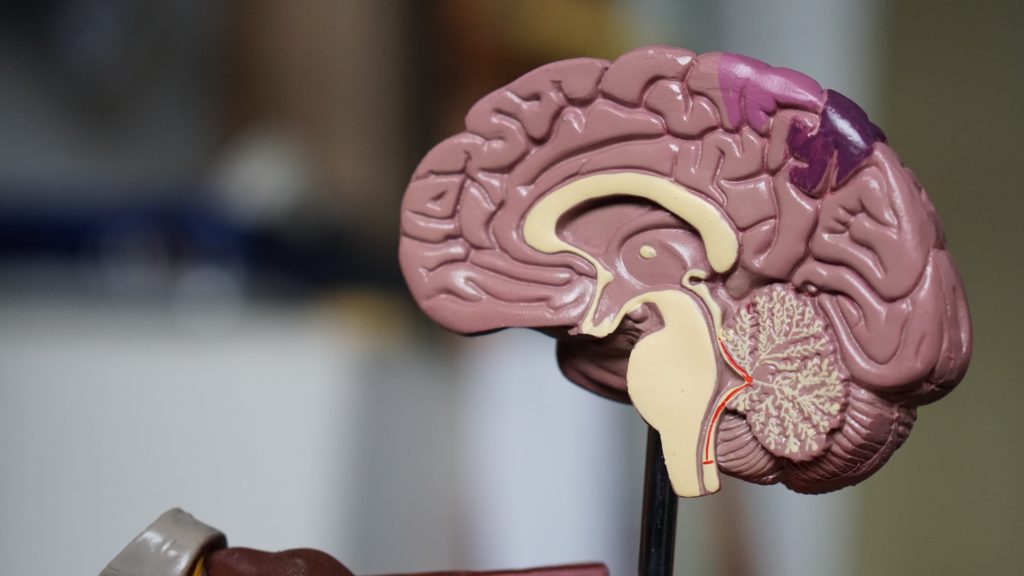
In the book Thinking, Fast and Slow, sociologist Daniel Kahneman introduces the concept that humans have two systems of thought. One part of our brains makes quick and emotional decisions, and the other part of our brains allocates mental energy toward complex calculations and conscious reasoning.
Whenever your nonprofit communicates with a potential supporter, both activities happen within their brains and influence their decision-making. To help navigate this, nonprofit organizations can work towards designing a generosity experience that addresses both systems of thought simultaneously.
How To Track Motivational Insights
If you’re like the typical nonprofit professional, you didn’t go to school to learn the nuances of brain behavior or psychological motivations. So, hearing about motivation can seem daunting, and it’s hard to know where to begin.
One of the best investments a nonprofit can make is establishing a clear reasoning for every piece of data that they collect. Let’s outline some common scenarios that might be driving the behavior you’re seeing from donors and how to act on this information.
| Donor Behavior | Motivational Category | Data To Track | How To Act |
|---|---|---|---|
| Large donations at year-end | Situational | Timing and size of donations, end-of-year communication responses | Highlight tax benefits and impact in year-end appeals |
| Participation in volunteer events | Relational | Volunteer participation records, event feedback | Personalize outreach, invite to volunteer recognition events |
| Support for causes matching personal values | Identity-Based | Donor notes field that allows for free text entry | Review responses and update appropriate standard fields |
No matter what the motivation is for your donors, your focus should be on connecting people to your work in ways that are meaningful and relevant to who they are as people.
Learn More About Decoding Donor Desires
By aligning your efforts with the underlying reasons that drive individuals to give—whether situational, relational, or identity-based—your nonprofit can foster deeper connections, enhance donor satisfaction, and ultimately secure sustained support for years to come.
Want to learn more about this crucial topic? Check out our (free!) recent webinar with iWave VP of Product of Strategy Cherian Koshy on decoding donor desires.