
— KEY TAKEAWAYS
Hosting a low-budget fundraiser is an accessible and highly effective lever for engaging your community and acquiring new supporters.
- These events require minimal upfront investment, so you maximize the revenue that goes directly toward your mission while building long-term relationships.
- This article covers 35 affordable fundraising tactics across four categories: in-person community events, skills and workshops, digital campaigns, and product sales.
- Event registrants who donate for one or two years give right around the panel benchmark, then accelerate their giving beginning in year three. Neon One, The Generosity Report.
- The most common mistake is focusing exclusively on raising money during the event rather than using it as a community-building opportunity to deepen connections.
- Start by hosting a low-overhead event and focus on face-to-face interactions to help event-goers understand what they achieve when they donate.
Raising funds on a tight budget can feel like a beast. But the good news is that you don’t need a massive investment to make a significant impact.
With a bit of creativity and determination, there are plenty of cheap fundraiser ideas that can help you reach your goals.
Do You Know Your Donors?
They’re more generous than you might think … and we have proof. Download The Generosity Report today!
Affordable Ideas for Your Nonprofit’s Next Fundraiser
In this guide, we’ve curated 35 affordable fundraising ideas specifically tailored for nonprofits. They’re low-cost, fun, and engaging—and we’ve organized them into categories so you can find the right fit for your team, your community, and your 501(c)(3)’s current goals.
Jump to a category:
- In-Person Community Events (Ideas 1–15)
- Skills, Workshops & Classes (Ideas 16–22)
- Digital & Peer-to-Peer Campaigns (Ideas 23–27)
- Sales & Product Fundraisers (Ideas 28–35)
In-Person Community Events (Ideas 1–15)
1. Garage Sale
A nonprofit garage sale requires no budget to get started. Gather donated items from supporters, volunteers, and community members, then organize a sale in a high-traffic location like a church parking lot or community center. Because your inventory is donated and your staffing is volunteer-based, your overhead costs are near zero — every dollar raised goes directly to your mission.
Promote the event via social media posts, neighborhood email lists, and physical signage. A few well-placed notices and some colorful signs go a long way. Consider a hybrid model: hold a traditional sale with your organization’s donated goods, and also invite community members to bring their own items and sell from their own tables, with your nonprofit taking a percentage of all proceeds.
2. Bake Sales
Sweeten the deal for your supporters by selling homemade treats at local events or high-traffic areas. Recruit volunteer bakers from your supporter base, set a suggested donation per item, and coordinate with local event organizers or businesses to secure a table or booth at no cost.
If people see your volunteers rolling up at a busy weekend market and think, “Uh oh, my sweet tooth is about to take over,” then you’re on the right track.
3. Car Wash
A nonprofit car wash is one of the most accessible fundraisers on this list — it requires no venue rental, no inventory, and almost no upfront cost. Secure a parking lot from a local business or church, gather volunteers (including kids, who make the event more visually appealing and fun), and charge a flat fee per vehicle.
Increase revenue by offering add-on services like interior vacuuming or detailing for an upcharge. Colorful signage on nearby streets and a high-energy atmosphere — music goes a long way — will help pull in passing drivers. A partnership with a local school can dramatically expand your volunteer pool and community visibility.
4. Movie Night
Transform a community space into a cozy movie night venue, charging a small admission fee for a cinematic experience that supports your cause. These can be indoor or outdoor events, and you can invite some local vendors to show up and sell tasty movie treats.
Licensing a movie for a public showing typically costs between $150 and $500 through services like Swank Motion Pictures or Criterion Pictures—still well below a traditional event venue cost, and the legally correct approach to screening commercially released films publicly.
5. Pet Photo Contest
Pet-themed fundraisers are a reliable source of community engagement because they tap into people’s deep emotional connection with their animals. Options include: a pet photo contest where participants pay an entry fee for a chance to win prizes, a dog wash (a four-legged cousin of the car wash fundraiser), a pet parade where participants pay to register their animals, or a pet costume contest timed around a holiday.
The community-building dimension of pet events is worth noting: they attract families and give your volunteers and staff genuine opportunities to have mission-focused conversations in a low-pressure environment. If a photo contest goes well, consider expanding it into a recurring pet parade event.
6. Donation Matching
Encourage donors to give by securing a commitment from local businesses or individuals to match the total donations received during a specific period. This strategy costs your organization nothing to set up, yet it can effectively double your total fundraising revenue during the campaign period. This idea can be attached to any number of fundraisers or giving campaigns.
You can read more about corporate gift matching in the blog post below:

7. Escape Room Challenge
Challenge your community’s problem-solving abilities with an escape room event, charging participants for an exhilarating experience while supporting your cause. While you can always set up your own escape room, it might be better to partner with a local escape room business lest you end up creating an escape room that, oops, no one can escape from.
Many escape room businesses offer nonprofit partnership rates and may donate a portion of ticket sales in exchange for promotion to your supporter community — worth the ask.
8. DIY Craft Workshop
Tap into the creative spirit of your community by organizing do-it-yourself craft workshops. Charge a small fee for participants to learn new skills and create unique projects. The DIY nature of these classes will help keep costs down, especially if you find projects where you can reasonably ask participants to bring their own craft supplies.
9. Trivia Night
Bring your supporters and community members together for a fun and competitive trivia night, charging teams a small entry fee to participate. This is a great event to hold at a local bar or brewery =— and if your event draws a strong crowd, you may be able to negotiate a donation from a portion of the bar’s sales for the evening, adding a second revenue stream to your entry fees.
Building a good relationship with the venue could also help set the stage for a bar crawl fundraiser down the line.
10. Bar Crawl
Host a group of supporters in a bar crawl or standalone brewery fundraiser where participants pay in order to sample local craft beers, enjoy each other’s company, and support your mission. Take this idea to the next level by arranging transportation to and from the event so that no one has to worry about driving while intoxicated.
11. Offer Classes
Host workshops or classes on topics relevant to your cause, charging an admission fee for participation. Whether it’s cooking, home repair, financial literacy, or a skill your team has genuine expertise in, these classes provide direct value to participants while raising unrestricted funds for your 501(c)(3). The best way to keep costs down: partner with local businesses that can donate their time, space, and expertise.
Neon One’s CRM includes a dedicated events module built specifically for nonprofit class registration, session tracking, and attendee communications? It’s true! (Why would we lie about that?)
You can take a self-guided tour of our CRM’s event management features to see the system in action.

Throw Events People Rave About—And Rally Behind
Take a self-guided tour to learn how Neon One’s event management tools simplify your operations every step of the way so that you can focus on giving your supporters an unforgettable experience.
12. Board Game Night
Foster a sense of community through a board game night, charging a small fee for participants to enjoy a night of friendly competition and entertainment. Just make sure you have the volunteer hours available when that Settlers of Catan game goes all night long.
13. Scavenger Hunt
Turn fundraising into an adventure by organizing a scavenger hunt, charging participants to join the quest and discover hidden treasures while supporting your cause. This can be aimed at kids and families or targeted specifically towards grown-ups. Either way, there’s a lot of low-cost fun to be had.
14. Volunteer Auction
Showcase the talents and skills of your volunteers by auctioning off their services, allowing community members to bid on tasks like yard work or pet sitting. Take care to get specific buy-in from your volunteers as to what services they are able and willing to provide.
15. Running, Walking, or Hiking Event
Combining fitness with fundraising is one of the highest-upside strategies on this list—not just because of registration fees, but because of what happens when you layer peer-to-peer fundraising on top. Participants in a 5K, charity walk, community hike, or cycling event can each solicit pledges from their personal networks, transforming a single registrant into a fundraising ambassador for your 501(c)(3) mission.
To run this event affordably: route planning and permits for public parks or trails are typically low-cost or free, and volunteer-staffed water stations eliminate catering expenses. The technology investment that drives the biggest returns is a mobile-optimized peer-to-peer fundraising platform that allows participants to create personal fundraising pages, track their progress, and share their campaigns on social media.
Data from Neon One’s Generosity Report reinforces why peer-to-peer fundraising matters beyond a single event: Peer-to-peer participants who give for five years cumulatively give 888.81% more than they gave in their first year. These are not one-time transactional donors—they are highly engaged supporters with expanding giving trajectories.
Take Chicago Run, for example. By leaning into the power of peer-to-peer and providing their supporters with intuitive, mobile-optimized peer-to-peer tools, courtesy of Neon One, they transformed a modest charity marathon team of 20 runners into a movement of 90 advocates.
The results were transformative: In just four years, their peer-to-peer revenue grew from $30,000 to nearly $150,000. As Senior Development and Communications Manager, Jordan Walker puts it: “When it comes to sustainable fundraising, peer-to-peer is the way to go!”
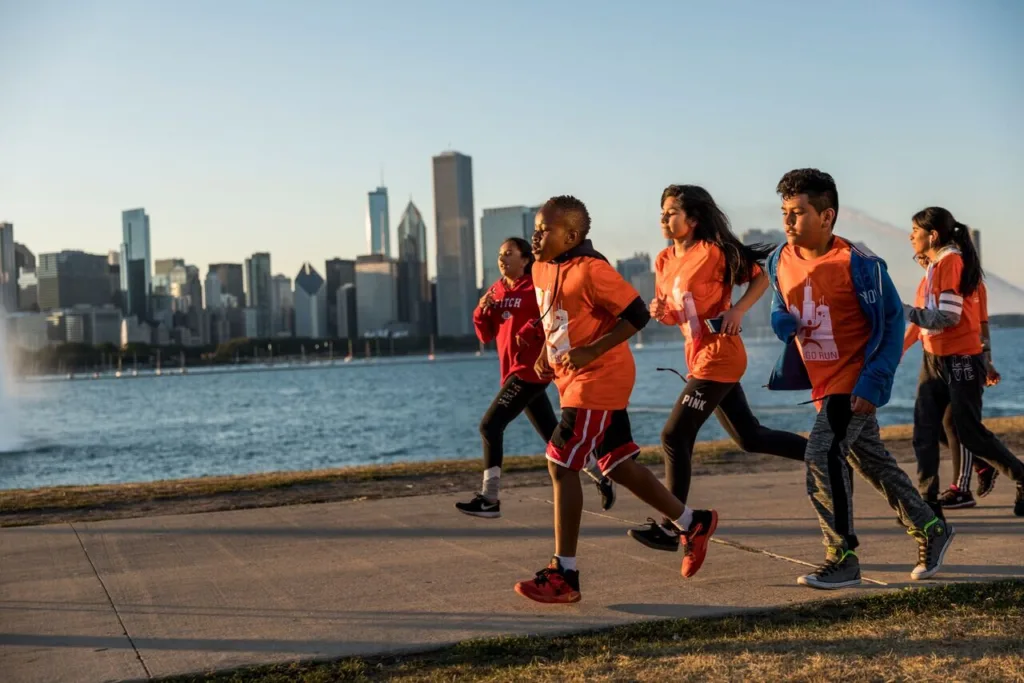
How Chicago Run Grew Peer-to-Peer Giving from $30K to $150K with Neon One
Skills, Workshops & Classes (Ideas 16–22)
16. Jigsaw Puzzle Tournament
Puzzle enthusiasts can come together for a friendly competition, paying an entry fee to participate in a jigsaw puzzle tournament that challenges their problem-solving skills. Consider offering a non-competitive version of this event where people enjoy the camaraderie without the pressure of competing — and the sheer bliss of not having a half-completed puzzle lying around their living room for weeks on end.
A word of caution: if you steal pieces to extend the competition, return them promptly, lest your participants go mad with puzzle rage, a very real condition.
17. Book Sale
Promote literacy and generate funds by selling donated books, offering affordable reads to your community. Build your inventory by enlisting supporters to gather donations from friends and family — parents whose children have outgrown their books are an especially reliable source.
Set up in a high-traffic public location, invite the neighborhood, and price items to move. This event tends to generate genuine goodwill: it’s low-pressure, community-friendly, and frankly, just very nice.
18. School Partnerships
Collaborate with local schools for joint fundraising efforts, involving students and parents in activities like car washes, bake sales, or themed events. You can look at half the events on this list and just add students for some extra pop.
19. Coupon Book Sales
Create a coupon book featuring discounts from local businesses and sell these valuable savings to the community in support of your cause. The most expensive thing about this idea will be actually getting the books printed. If you’re confident you can get them all sold, printing more will lower your cost per book.

Guest Pitches: We want to publish your story!
Looking to share your insights and broaden your reach? Write an article and let us share it with our audience of over 100,000 nonprofit leaders.
20. Social Media Challenges
Leverage the power of social media by creating engaging challenges that participants share online, encouraging donations and spreading awareness. This is where we are required by law to mention the Ice Bucket Challenge.
Tie the challenge to a concrete giving goal—for example, pledge to donate $10 for every participant who completes the challenge and tags your organization—so that the awareness activity generates measurable revenue, not just impressions.
21. Planting Day
Engage the community in a green initiative by organizing a planting day. Charge a small fee for participants to contribute to environmental efforts. You can also ask that participants donate to the cause by purchasing plants as an in-kind donation and partner with a local nursery to provide discounted prices.
22. Penny Drive
Rally support by distributing collection jars for spare change, turning small donations into a significant contribution to your cause. As a bonus, you can have fun explaining to Generation Alpha kids that, before smartphones, money was an actual, physical thing that you carried around in your pocket. They won’t believe you.

Want help planning your next fundraiser?
Our nonprofit fundraising event planner walks you through the entire process from start to finish, with expert insights and free resources to help guide you.
Digital & Peer-to-Peer Campaigns (Ideas 23–27)
23. Tutoring Services
Utilize the knowledge within your community by offering tutoring services for a donation, helping students while fundraising. Draw from your volunteers and supporters to find willing tutors and look for ways you can build longer-lasting relationships with the families of the kids you’re tutoring.
24. Hula Hoop Contest
Inject fun and fitness into your fundraising with a hula hoop contest, where participants pay to showcase their skills and compete for prizes. You can even go ahead and supply the hula hoops at a pretty minimal cost.
25. Food Truck Festival
Partner with local food trucks for a festival that satisfies taste buds and raises funds, charging an entrance fee for a diverse culinary experience that supports your cause. If the festival goes poorly, you can always pivot into a head-to-head demolition derby and declare yourself Imperator of the Fury Road—or you can send out a donor survey to gather feedback and try again next year, your choice.
26. Petting Zoo
Partner with a local farm or petting zoo to bring their animals ‘round to your neck of the woods and give kids in your area the chance to befriend a goat, sheep, or llama. In addition to charging an entry fee, you can charge small amounts for the feed that kids can offer to the animals.
27. Quirky Fundraising Goals
Set unconventional fundraising goals, like shaving the head of your executive director or pie-throwing challenges. Then, encourage community members to donate in support of reaching these entertaining milestones. Just please be sure to inform your executive director first before advertising that you’ll shave their head.

Sales & Product Fundraisers (Ideas 28–35)
28. Online Raffle Fundraiser
An online raffle is a low-overhead fundraiser that can run as its own standalone digital campaign or as a complementary element of a larger event. Gather prizes donated by local businesses and sponsors, then sell low-cost tickets digitally through your fundraising platform.
To maintain donor trust, livestream your drawing and record it for public replay—this transparency removes any doubt about the process and strengthens relationships with your supporter community. Online raffles work especially well timed around GivingTuesday or year-end giving campaigns, when donors are already primed to engage.
29. Holiday Gift Wrapping Service
Provide affordable gift-wrapping services during the holiday season, using volunteers to wrap gifts in exchange for a small donation. Just make sure you check out your volunteers’ gift-wrapping abilities before you sign them up. When giving gifts, it’s the thought that counts. But, when wrapping gifts, nobody cares about thought. All they want are straight lines and tight corners.
Secure a table at a local mall, craft store, or holiday market to maximize foot traffic. This idea works best in November and December, making it a natural complement to a year-end giving campaign.
30. Recipe Book or Community Cookbook Fundraiser
Create and sell a community cookbook featuring recipes contributed by your supporters, leveraging community involvement to raise funds. You can make it a PDF to save on printing costs. To really save time and effort, you could have people simply submit their recipe for potato salad; you’ll end up with a host of entirely different recipes, because potato salad is modern society’s most chaotic dish, bar none.
A digital PDF version eliminates printing costs entirely and can be sold directly via your website’s donation form or e-commerce integration.
31. Electronic Recycling Drive
Charge people a small fee to come around and collect old electronics for recycling. The key insight here will serve you well across many fundraising ideas: most people will happily pay money for something they could do themselves for free if doing that thing presents a big enough hassle. Recycling old electronics definitely qualifies.
Verify that your disposal partner is a certified e-Stewards or R2-certified electronics recycler before promoting this event, as responsible e-waste handling is both a legal and reputational consideration.
32. Mystery Box Fundraiser
Sell affordable mystery boxes containing donated items without revealing their contents. We’re gonna be honest here: you could do a super-duper cheap version of this fundraiser where you fill them with total junk, but you’re only going to get away with it once, and people are gonna be pretty mad—so maybe get some nice items donated from local businesses instead.
33. Art Show and Nonprofit Auction
Host a low-cost art exhibition and auction, showcasing local artists’ work and selling pieces to raise funds. You could also hold an art fair where local artists set up booths or tables to sell their work, with your nonprofit getting a cut of all sales.
For nonprofits with an arts or cultural mission, an annual art show can become a signature fundraising event. Consider reaching out to local arts schools or community college art programs, whose students often welcome exhibition opportunities — and the partnership costs nothing to propose.
34. Dine and Donate Restaurant Night
Partner with local restaurants to host fundraising nights where a percentage of sales goes towards your cause, attracting donors through the promise of good food, good drinks, and good company. When approaching restaurants, lead with the mutual benefit: a Dine and Donate drives midweek traffic to slow shifts, which makes this a genuinely compelling partnership offer for most restaurant owners.
35. Virtual Fundraising Events
Virtual fundraising events eliminate your single largest cost center: the venue. Nonprofits can host webinars on topics relevant to their mission, online workshops, virtual auctions, or livestreamed performances—all with nothing more than a reliable video conferencing platform and a donation form. Charge a registration fee or set a suggested donation amount for access.
Test different formats with your audience: some communities respond better to skill-based webinars, others to social livestreams or virtual auctions. The data advantage of virtual events is real—every attendee’s contact information is captured digitally, making post-event stewardship and recurring gift asks far more actionable than with an in-person event.
Your action guide to build relationships that drive growth.
In this playbook, we’ll dive into insights that can help and simple steps you can take to start putting relationships first in your day-to-day work.
Want to Raise More? Check Out Neon One
Once you’ve decided on your next fundraiser idea, it’s time to bring your community together to make it happen. Whether it’s through educational classes, engaging events, or collaborative efforts with local businesses (and let’s not forget that food truck demolition derby idea, that’s a winner), these ideas prove that fundraising doesn’t have to break the bank.
With Neon One, you can manage nonprofit event registration and ticketing, manage donors, run fundraising campaigns, send emails, automate work, manage volunteers, do reporting, and more—all from a single, streamlined platform.
Want to see the system in action? You have two options: take a self-guided tour of Neon CRM’s event and fundraising tools (at your own pace!) or schedule a personalized walkthrough of the platform. We can’t wait to hear from you!
Fundraising Ideas FAQs
A low price point doesn’t have to feel like a budget experience. Focus on the small details that don’t cost much—like a well-organized check-in process, enthusiastic volunteers, and a brief, heartfelt moment where you share the specific impact of the funds being raised. When people feel seen and understand exactly where their money is going, the value of the experience comes from the connection, not the fanciness of the event.
If you work in the nonprofit space, you’re no stranger to getting a little scrappy. Don’t be afraid to ask participants to bring their own basic supplies (like knitting needles or specific craft tools) while you provide the specialized materials. You can also reach out to local businesses for in-kind donations of leftover supplies. People are generous, and many businesses will be happy to support your work, especially if you give them a shout-out on your event signage.
The best way to save on venue costs is to look toward existing free, open spaces in your community. Local breweries, parks, and even libraries are often open to hosting nonprofit events like trivia nights or craft workshops for a low fee—or even for free if you’re bringing in a crowd. In a lot of ways, partnering with a local business is a win-win; they get the foot traffic, and you get a professional space without the price tag of a rental invoice.
Focus your sponsorship outreach on local businesses with a genuine community stake—restaurants, gyms, print shops, and service businesses are frequent partners because a fundraiser gives them direct exposure to their own neighborhood. Lead with a clear value proposition: sponsor recognition in your event materials, social media tagging, and access to a community of engaged donors who are also local consumers.
Peer-to-peer fundraising events—like charity walks, 5Ks, or cycling events—consistently deliver the highest revenue relative to upfront cost for small nonprofits. Chicago Run, a Neon One customer, grew peer-to-peer giving from $30,000 to nearly $150,000 in four years by equipping supporters with mobile-optimized personal fundraising pages. The key is that each participant becomes a fundraiser, multiplying your effective reach without increasing your event overhead.