

Throughout this article, you will see references to “investors.” That’s because at Convergent, we approach fundraising by reframing your nonprofit as a valuable community asset worthy of investment. By positioning donors as investors, we shift the focus from one-time gifts to sustainable funding.
Before you embark on a capital campaign, you must first conduct a feasibility study to assess the practicality of your nonprofit’s proposed plan. A primary component of the feasibility study is gathering stakeholder feedback, and most nonprofits focus solely or primarily on their major investors.
While major funders contribute a great deal to your nonprofit—whether through giving at fundraising events or through other programs—they’re not the only stakeholders you should reach out to.
If you want to conduct a truly effective feasibility study, you need to include other individuals, like:
- Board Members
- Grantmakers
- Staff & Key Volunteers
- Mission Beneficiaries
- Partners & Local Leaders
In this article, we’ll explore why you should consult these stakeholders to gather data and gain a well-rounded view of your organization’s health, helping you conduct a successful feasibility study and get your capital campaign off the ground.
1. Board Members
Your feasibility study should answer the question: Does the board of directors believe in this project?
This will allow you to gauge whether everyone at your organization is on the same page. If your team is confused about your capital campaign’s purpose or believes that other priorities should take precedence, your campaign may struggle to succeed, negatively affecting your nonprofit’s credibility in the process.
Board members are also familiar with your operations, so they can share unique fundraising insights you might not have considered before.
When conducting a feasibility study interview with your board members, ask them:
- What do you think is the primary problem this project is designed to address in the community?
- How does this particular project align with the nonprofit’s current three-year strategic plan?
- How ready is the nonprofit to lead this effort?
- Do you think there’s an internal obstacle that could hinder the project’s success? For example, you may lack staffing, or your nonprofit’s constituent relationship management (CRM) system may need an upgrade.
Feel free to come up with your own questions as well—just make sure they focus on your board’s alignment, capacity, and internal commitment.
2. Grantmakers
According to Freewill’s guide on grant writing, you need to tailor your proposal to each funder. That’s why you must include grantmakers like foundations and corporations in your feasibility study.
Interviewing the foundations and corporations that have supported you in the past helps you align more closely with them on this project, allowing you to write better grant proposals and increasing your chances of getting approved again.
When preparing your questionnaire, select questions focused on financial viability and Case for Support testing, such as:
- Is the proposed financial goal too ambitious or realistic?
- Which specific part of our Case for Support is the most compelling to you?
- What questions do you need to be answered before you would consider an investment in this project?
You can also discuss with these grantmakers whether their grant’s restricted funds can be allocated to your campaign.
Navigating conversations and feasibility study interviews with grantmakers can be tricky, so Convergent recommends that you hire a capital campaign consultant. These professionals can advise you on how to approach these interviews, including which questions to ask and how to convey your message clearly.
3. Staff & Key Volunteers
Your staff and active volunteers know your nonprofit’s operational realities better than anyone. That makes them well-situated to identify the red flags in a project’s design early on, before they become public issues.
Let’s say you’re a community food bank planning to raise funds for a new automated inventory system and a fleet of refrigerated delivery vans. Your volunteers may point out that machines can’t smell rotten food, so if you rely on automation, you may end up delivering spoiled food to families instead.
Your staff can also inform you if the project has too many issues, which means you may need to seek counsel from a nonprofit consultant to iron them out.
If you want to gain insights from your staff and volunteers, ask them:
- What do you think is the biggest hurdle that’s preventing us from serving our community?
- If this project succeeds, how will it change your regular responsibilities?
- Do we have the right technological infrastructure, such as a robust membership management software, to track the influx of supporters this project might attract?
- Do you think this project will stretch staff and volunteers too thin?
- Does the proposed timeline seem doable, considering our current program schedule?
Your staff and volunteers provide the bridge that connects your organization and the community it serves. That’s why they will serve a crucial role in your feasibility study.
4. Mission Beneficiaries
Your beneficiaries are also essential stakeholders in your feasibility studies, as your programs are designed to help them. So, their feedback ensures your project addresses the problem it claims to solve.
When you interview them for the study, focus on how the new initiative could affect their lives. Here are a few questions you can ask:
- We’re planning to build or expand [project name]. Do you think this will address the most urgent needs of your community?
- If you could change one thing about this particular program, what would it be and why?
- Does the proposed project give you hope about the community’s future? Why or why not?
Another benefit of asking your mission’s beneficiaries is that you can use their stories to refine your Case for Support. For example, let’s say you’re a community food bank planning to launch a supermarket. By interviewing your mission beneficiaries (families who rely on the food bank), you’ll realize what grocery products they prefer, so you can tweak the project, better aligning it with the community’s needs. This makes your Case for Support more authentic and compelling, inviting more contributions from investors.
5. Partners & Local Leaders
External stakeholders, such as local business owners, local leaders, and partner nonprofits, can provide a “market view” of your organization’s reputation. In other words, they can help you answer:
- How does the general community view your proposed project?
- Are they receptive to it?
- Most importantly, are the business owners and local officials willing to support and invest in it?
Here are some questions if you want to get their feedback:
- On a scale of 1 to 10, how much do you trust our organization to deliver on this particular project?
- Will this project deliver a positive impact on the community right now?
- Who are the local figures of authority whose public endorsement would give this project more credibility?
Interviewing the community at large also lets you discover influential individuals who may assist in your capital campaign. For example, they can be expert networkers or social media influencers with a strong following. If you have their support, they can introduce you to a whole new audience, drawing more potential investors.
Valuable Feedback Doesn’t Just Come from Major Funders
Remember that a feasibility study is more than just a wealth screening. By strategically listening to stakeholders across different sections of the community, you’ll gain a much better understanding of your project and its potential impact.
And when your stakeholders feel heard, they’re more than likely to become your champions for your other projects in the future, resulting in more support for your nonprofit’s mission.
About the Author
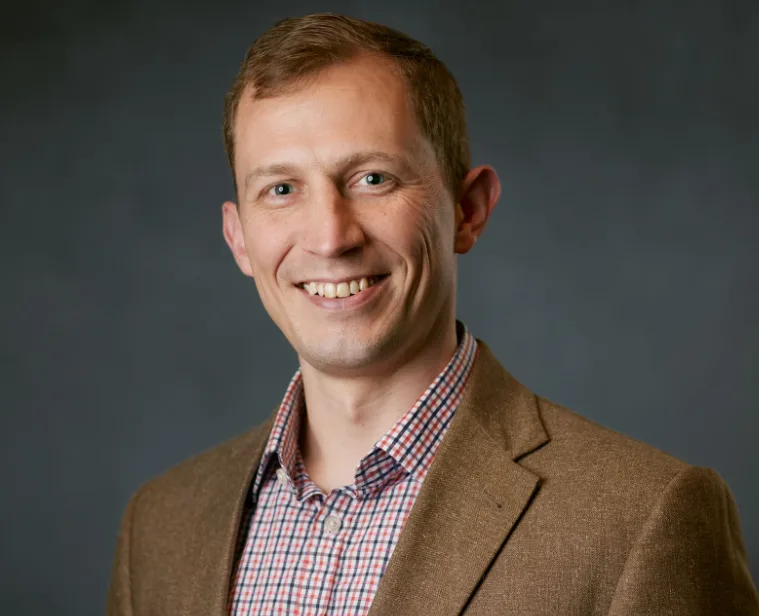
Brian Abernathy brings a wealth of nonprofit leadership experience to his role at Convergent Nonprofit Solutions, where he leads a team of highly experienced fundraisers and leaders with a focus on innovation and flexibility to ensure the best outcomes from each client relationship. Over the course of his career, he has launched local chapters of international organizations, built cross-sector partnerships, and guided new nonprofits through the complexities of operational setup. Brian has presented on fundraising strategy on national and regional stages. Before joining Convergent, Brian served as VP of Operations at First Community Development, where he oversaw a team of fundraising professionals and led multiple capital campaigns. He also played a pivotal role in launching Breakthrough Norcross, a collective impact initiative aimed at improving K-12 educational and economic outcomes. A Leadership Georgia alum and active community leader, Brian lives in Buford, Georgia, with his wife, two daughters, a dog, and their flock of chickens. Connect with Brian on LinkedIn.