

— KEY TAKEAWAYS
Volunteer surveys build the social connectedness that drives giving—nonprofits should design and send them the same way they invest in donor engagement.
- Research shows that volunteers who served in the previous year were 14.5% more likely to give in the current year, and prior-year donors were 9.3% more likely to volunteer.
- Segment volunteers before surveying: Newbie Volunteers, Skilled Supporters, Community Ambassadors, and Legacy Leaders each need different questions and give different-quality insights.
- Follow four survey design principles: clarity and simplicity, relevance to the volunteer’s role, engagement through varied question types, and smart timing (right after events or annually).
- Ask five core questions covering motivation, program feedback, support needs, training effectiveness, and preferred recognition methods.
- A common mistake: treating every volunteer’s feedback as equally applicable, regardless of tenure or role.
According to research from The Do Good Institute and the Generosity Commission, social connectedness and recent volunteer experience are important predictors of giving that nonprofits looking to harness the full potential of their communities should consider.
The report, Social Connectedness and Generosity: A Look at How Associational Life and Social Connections Influence Volunteering and Giving (and Vice Versa), found that people who volunteered in the previous year were more likely to give in the current year by 14.5%, and people who gave in the previous year were 9.3% more likely to volunteer in the current year.
So how can your nonprofit establish connectedness with your volunteers? Surveys!
While there are great resources on how to design donor surveys, this article will dive specifically into volunteer surveys and unpack:
- Understanding Your Volunteers
- Basic Principles of Survey Design
- 5 Key Questions To Ask Volunteers
- Technology Management for Surveys
Nonprofits need to begin investing and engaging their volunteers like they invest and engage with their donors—and surveys designed to build connection and trust are a great way to start doing that.
This deep level of engagement can have real financial benefits. According to The Generosity Report, volunteers who remain active for five years contribute an average of $4,635.39 in cumulative giving.
Go Beyond Donation: The Value of Volunteers
Learn how to build a thriving volunteer program that strengthens your community and amplifies your mission’s reach – download the Generosity Report now!
Understanding Your Volunteers
While every nonprofit manages its volunteer program differently, there are a few key segments of volunteers to consider before designing and distributing your survey. Identifying your primary segments of volunteers will help you personalize the survey and apply the answers to improve your volunteer programs.
Different Volunteer Segments
- Newbie Volunteers: These volunteers are new to the organization, typically within their first year of service. They are enthusiastic and eager to learn about the nonprofit’s mission and operations. Newbie Volunteers are often involved in introductory activities and general support roles, such as event assistance, basic administrative tasks, and community outreach efforts. Their initial engagement focuses on orientation, training, and integration into the organization’s culture and goals.
- Skilled Supporters: These are volunteers with specific skills and professional expertise, in roles such as graphic design, IT support, legal advice, or marketing. They may have been with the organization for 1-3 years and have developed a deeper understanding of the nonprofit’s needs and strategic goals. Their contributions are critical for specialized projects and initiatives that require technical knowledge and advanced capabilities. They often work on a project-by-project basis, providing essential services that the organization might otherwise need to outsource.
- Community Ambassadors: These volunteers have been with the organization for 3-5 years and are deeply committed to its mission. They act as the nonprofit’s face in the community by participating in public speaking, representing the organization at events, and helping to build relationships with local businesses and community leaders. Community Ambassadors are crucial for outreach and engagement, leveraging their connections and influence to broaden the nonprofit’s reach and impact.
- Legacy Leaders: This important segment are long-term volunteers with over 5 years of dedicated service. They often hold leadership roles within the volunteer structure, such as coordinating volunteer teams, mentoring new volunteers, and participating in strategic planning. Their extensive experience and deep commitment to the organization make them invaluable for maintaining continuity, institutional knowledge, and guiding the nonprofit through changes and growth. Legacy Leaders are often involved in board or advisory capacities, providing insights and guidance to ensure the organization’s sustainability and success.
Volunteer Insights & Understanding
On the surface, it may not seem worth the effort to group volunteers like this. And while there may be merit to sending your survey out to everyone on your volunteer list without necessarily adjusting your language, these different groups will be extraordinarily important when it comes to analyzing results and applying insights to your work.
Depending on who is answering your questions, their insights may not be as applicable or relevant. A legacy volunteer complaining about the swag being primarily directed at new volunteers may need some education on the importance of new volunteer retention. A specialist may have more useful and applicable insight than a community ambassador on program impact-related data questions that may arise.
Basic Principles of Survey Design for Volunteers
When you’re ready to begin designing your volunteer survey, you need to keep a few key elements in mind. By following these four basic guidelines, you will avoid issues like confirmation bias (or the tendency to search for, interpret, and remember information in a way that confirms one’s preexisting beliefs or opinions).
- Clarity and Simplicity: Survey questions should be straightforward and easy to understand. Avoid using technical terms or complicated language that might confuse volunteers. The goal is to ensure everyone can easily grasp what you’re asking without having to spend too much time figuring it out.
- Relevance: Make sure the questions you ask directly relate to the volunteer’s experience and specific role. For example, if you have volunteers who work remotely, you might want to ask them about their home office setup. This ensures that the feedback you get is useful and applicable to their actual work with your organization.
- Engagement: To encourage more volunteers to complete your surveys, try to make them as engaging as possible. Use a variety of question types to keep things interesting. Vary between multiple-choice, open-ended questions where they can share their thoughts, and drop-down menus. This variety can make the survey feel less monotonous and more interactive.
- Frequency and Timing: When it comes to how often you should send out surveys, there are a few best practices to consider. Sending a survey right after an event can capture immediate feedback, while an annual survey can provide insights into their overall experience. Additionally, try to time your surveys to match up with volunteer activities to get the most accurate and relevant feedback. For example, sending a survey just after a big volunteer event will likely get you more detailed responses about that specific event.

Asking the Right Questions of Your Volunteers
When you’re surveying an engaged audience, it can be tempting to ask them for every single answer you want to know. But when surveying your volunteers, your goal shouldn’t be to acquire as much information as possible from a small group of people, it should be to acquire information from as diverse a group as possible. That way, you’ll be able to paint a full picture of your volunteer management.
Given that the value of each volunteer hour equates to $34.79, every individual who invests time to improve your operations equates to more value for you, your volunteers, and the community you are serving together.
Use these five questions to collect enough data instead to assess your volunteer program’s core strengths and weaknesses. These questions also help address core program realities that may need to be addressed. They can also be adjusted in order to sustain and grow the volunteer program.
5 Key Questions to Ask Volunteers
| Question | Purpose | Question Type | Suggested Configuration |
|---|---|---|---|
| What motivated you to start volunteering with us? | Understand why volunteers are drawn to your organization. | Open-ended | Text field allowing detailed responses. Optionally, categorize common motivations (e.g., community service, personal growth, professional development). |
| What feedback do you have for improving our volunteer program? | Gather insights to improve the volunteer program. | Open-ended | Text field for detailed feedback. Use tags or categories internally to organize feedback themes (e.g., training, communication, resources). |
| What can we do to support you better in your volunteer journey? | Identify ways to better support and retain volunteers. | Open-ended | Text field for specific suggestions. Categories for common themes (e.g., more training, flexible hours, better communication). |
| How effective was the training you received? | Evaluate the effectiveness of volunteer training. | Likert scale | Multiple-choice scale (e.g., 1 to 5) to rate effectiveness. Additional text field for specific comments or suggestions. |
| How could we best show our appreciation for your efforts? | Determine preferred methods of recognition. | Multiple-choice and open-ended | Multiple-choice options (e.g., certificates, public acknowledgment, small gifts) and an open-ended field for other suggestions. |
Technology Management for Survey Design
Managing volunteer surveys effectively is crucial for small and midsize nonprofits. Collecting accurate and consistent data helps understand volunteer motivations, improve programs, and ensure volunteers feel valued and supported.
Ideally, this process should involve native integrations, where survey forms and CRM systems are seamlessly connected, enhancing data consistency and accuracy.
However, we recognize that not every organization can access these integrated systems. Regardless of the tools you use, the goal remains the same. You want to gather valuable insights while maintaining data integrity and security.
This guide will walk you through choosing the right survey tools, integrating technology with your CRM, and ensuring data security and communication preferences.
Choosing the Right Survey Tools
When selecting survey tools, it’s essential to pick one that fits your needs. Popular options include SurveyMonkey, Google Forms, and Account Forms in Neon CRM. Here are a few key features to look for:
- Ease of Use: The tool should be user-friendly for both you and your volunteers. It should be simple to set up and navigate.
- Customization Options: Look for tools that allow you to customize the survey with your branding and specific question types.
- Data Analysis Capabilities: Choose a tool that can easily analyze responses and provide useful insights, especially if combined with other data types like donation history or event attendance.
Integrating Technology with CRM
Integrating your survey tool with your CRM system can significantly streamline data collection and analysis. When your survey responses are directly linked to your CRM, tracking and managing volunteer information becomes easier.
For example, using Neon CRM, you can automatically sync form submission responses to existing accounts and follow up efficiently. This ensures that all data is consistent and easily accessible.
Ensuring Data Security and Communications Preferences
Protecting your volunteer data is crucial. Always make sure that the survey tool you choose complies with data protection regulations. Additionally, manage your volunteers’ communication preferences carefully:
- Opt-In Preferences: Make sure to ask volunteers how they prefer to be contacted and respect their choices. This not only builds trust but also ensures compliance with communication laws.
- Data Security: Ensure that all volunteer data is stored securely and only accessible to authorized personnel. Regularly review your data protection policies to keep up with best practices.
By focusing on these aspects, you can create a seamless, integrated system that enhances data consistency and accuracy, even if you’re working with different tools. The goal is to have all parts of your system communicate effectively to provide the best experience for your volunteers.
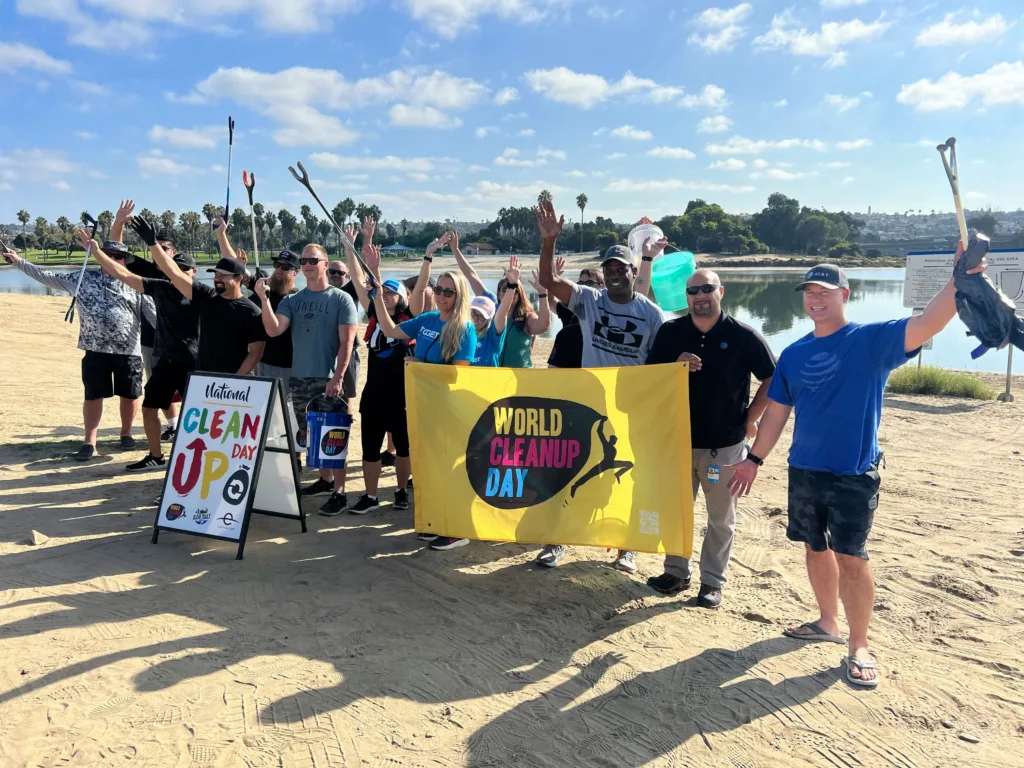
Use Volunteer Feedback to Foster Generosity
Investing in volunteer surveys is a powerful way to strengthen your connections with your volunteers and enhance your nonprofit’s overall impact. By understanding what motivates your volunteers, gathering their feedback, and identifying ways to better support them, you can create a more engaging and effective volunteer program.
Research has shown that social connectedness and recent volunteer experience are significant predictors of giving. This highlights the importance of fostering community and affinity among your volunteers.
Ultimately, by prioritizing the voices of your volunteers through thoughtful surveys, you improve their experience and strengthen your nonprofit’s ability to achieve its mission and foster a community of generosity.
If you’d like some ideas for showing your volunteers how much you appreciate them, check out this comprehensive list of volunteer gift ideas.