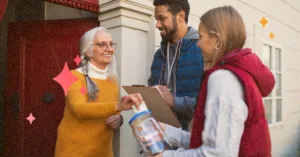

The importance of volunteers to nonprofit work can’t be understated. The latest data from the U.S. Census Bureau found that 75 million people, or 28.3% of the U.S. population aged 16 and up, formally volunteer. And here’s an even more notable statistic, volunteers make up one-third of the nonprofit workforce.
While money probably still takes the cake as a nonprofit’s most valuable resource, volunteers are right up there, too. Community engagement, fundraising, advocacy, operational support, marketing, administration, event support—volunteers do it all!. The truth is, many (maybe even most) nonprofits would not be able to operate without volunteers.
And that’s why volunteer engagement is so crucial for nonprofits. Because running a successful volunteer program is more than just getting people to show up. You have to have an organizational strategy for building meaningful relationships with your volunteers. And these relationships should be mutually beneficial, helping both you and your volunteers achieve your goals and increase your impact.
We talk about donor retention and donor stewardship a lot, but what can we be doing to steward the people in our network who are donating their time? In this blog, we’ll dive into all things volunteer engagement and share ideas on how to create a positive volunteer experience.
What is Volunteer Engagement?
Volunteer engagement is the process of working with volunteers to achieve your organizational goals. But volunteer engagement is more than just getting tasks done; it’s important that volunteer engagement also includes relationship building and forming a strong emotional connection with your volunteers.
You want it to be easy and enjoyable for people to get (and stay) involved in your organization. A strong volunteer engagement strategy will prioritize this fact and constantly seek out ways to make sure that your relationship with your volunteers is mutually beneficial!
Why Volunteer Engagement Matters
The goal of volunteer engagement is to foster strong relationships with your volunteers so that they become long-term supporters of your organization. An engaged volunteer will not only continue to dedicate their time to your organization, but they’ll be a passionate advocate for your work and potentially support you in other ways, like donating.
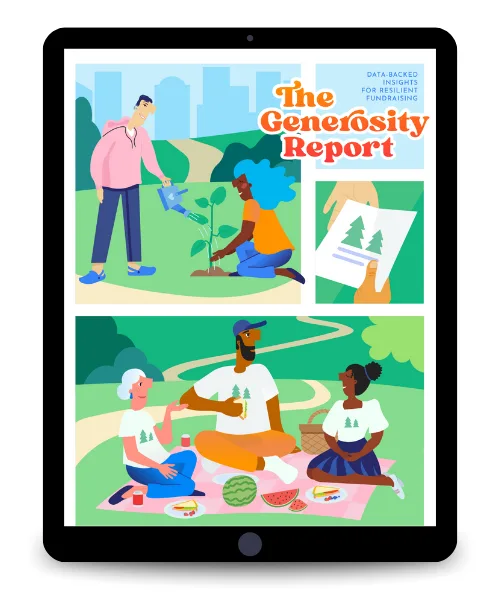
In our 2025 Generosity Report, which studied data from almost 100,000 nonprofit supporters over a five-year span, we found that volunteers were one of the cohorts that were most likely to make recurring gifts or create pledges. They also showed higher-than-average rates of purchasing memberships, registering for events, and participating in peer-to-peer campaigns.
Your volunteers are a highly engaged group, and working to retain them through strategic volunteer engagement efforts can seriously pay off.
Go Beyond Donation: The Value of Volunteers
Learn how to build a thriving volunteer program that strengthens your community and amplifies your mission’s reach – download the Generosity Report now!
10 Easy Ideas for Volunteer Engagement
Alright, we get it. Volunteer engagement is important. The next step is figuring out how you and your team are going to positively engage your specific volunteers.
Not every group of supporters is the same, so we can’t tell you what will work best for you. Instead, we’ll give you a big list of volunteer engagement ideas to choose from.
1. Provide a Flexible Schedule
Volunteers lead busy lives—work, school, family, hobbies, you name it. Research found that 49% of people identified work commitments as their biggest obstacle to volunteering. When you’re planning volunteer opportunities, take this into account. Think about members of your community and when they may be able to volunteer.
For those who work a 9-5 job, midday volunteer opportunities won’t be feasible. For folks with families, they may not be able to make evenings work.
You’re never going to be able to meet everyone’s needs (and you’ll likely have time constraints of your own to consider), but providing flexible schedules and varying times and days for volunteer opportunities can make them more accessible.
2. Get Feedback
Show your volunteers that you value their opinion by asking them for their feedback.
You could send a short survey by email after a volunteer session, asking folks how they felt about their work and their experience. For longer-term, dedicated volunteers, you could send a survey gauging their feelings towards their work, if they feel appreciated and any ideas that they may have for improvement.
This is also a great way to collect new ideas about how you could improve your volunteer operations. Your volunteers care about your work and come from a variety of backgrounds, so their insights may shed new light on opportunities for your team to do even better!

3. Host Social Hours
Give volunteers a chance to connect with one another and your staff outside of their typical duties. People volunteer because they’re passionate and excited to support your work, so they may also see it as an opportunity to meet other people with similar passions.
One survey even found that 35% of respondents said their primary motivation to volunteer was socializing. This study also found that socially motivated volunteers may be more committed than an average volunteer.
When volunteers connect, it creates a sense of community, which can strengthen your volunteers’ connection to not only each other but also your work.
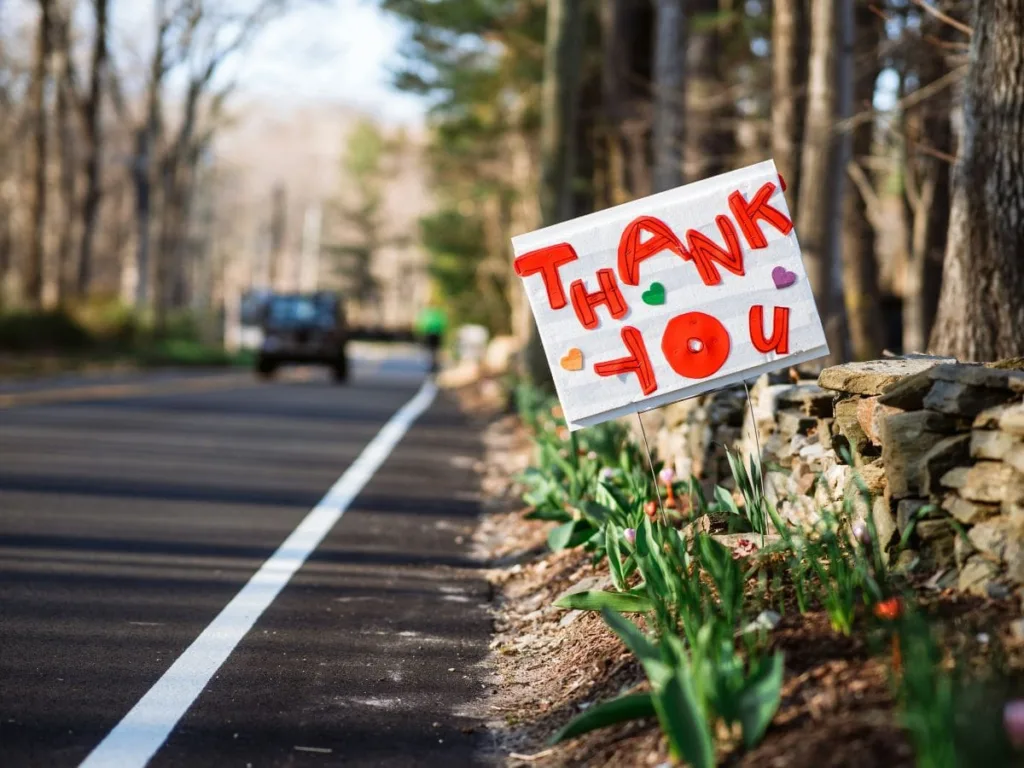
4. Send Handwritten Thank You Notes
You know what they say, time is money (and the most up-to-date estimate is that each volunteer hour is valued at $34.79). Your volunteers may not technically be donors, but they are certainly still giving, and that should be acknowledged.
Thank yous can come in many forms, and you should sprinkle in verbal and email thank yous on the regular. But a personal, handwritten note of gratitude goes a long way too and can be an extra touch that makes a volunteer feel truly appreciated.
Not sure what to say? Check out the article below for some helpful tips and templates.
5. Individualized Invitations
When you have opportunities or events that you want to invite people to, consider segmenting your volunteers to receive special communication.
Instead of a mass email, invite specific volunteers to special events or new opportunities that align with their skills or interests. Acknowledge that they’ve already supported you (and thank them) and then extend a personalized invitation to take whatever action you’re hoping they’ll take.
6. Host Volunteer Appreciation Events
Who doesn’t love a special event?! Hosting a dedicated event or celebration, like a dinner or themed party, shows you value their time and effort.
Your team could briefly speak at the event about their gratitude for volunteers, you could hand out volunteer awards, or even have little gifts that volunteers can take with them as a token of appreciation.
If you don’t already celebrate it, Volunteer Appreciation Week takes place every April! Learn more about it in the article below.

7. Social Media Shout-Outs
You can also publicly thank volunteers by sharing photos of them in action or highlighting a specific volunteer’s story (with their permission, of course).
This can be a fun way to diversify your social media content, show your gratitude, and show your social network some of the faces behind your work.
Not only that, but people connect with other people, so seeing the people who support your work may inspire others to get involved too!
8. “Volunteer of the Month” Awards
Having some sort of award program can be a fun way to recognize outstanding volunteers. It doesn’t have to be a huge affair; it could be something simple like a small prize or certificate.
You could highlight your award winners on social media, in an e-newsletter, or even announce award winners at a social gathering.
9. Create Volunteer-Led Teams
Another way to engage volunteers is to create a sense of ownership. Empower your volunteers to take ownership of a project or lead a group.
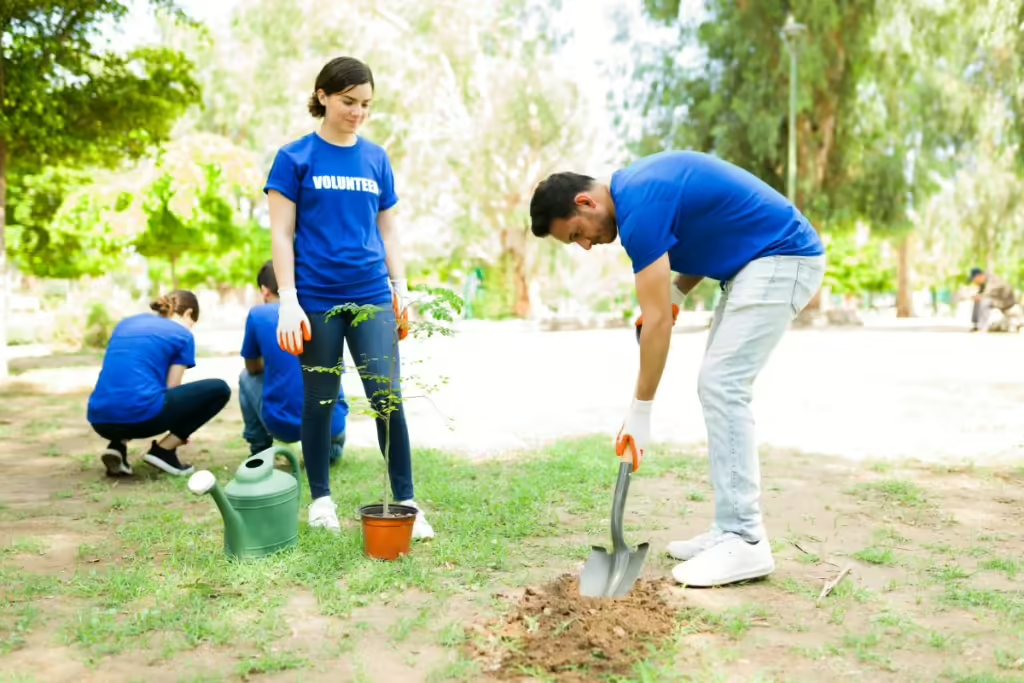
Say you’re hosting a litter clean-up, you could have an experienced volunteer lead a team of new volunteers. Or if you’re serving food at a soup kitchen, have an experienced volunteer walk new volunteers through the process and serve as a point person if they have any questions.
A feeling of ownership can also increase their investment and retention.
10. Offer Skill-Building Opportunities
Provide training or workshops that help volunteers learn new skills related to your mission. People may get involved with your work because they want to learn more about the space that you work in or to learn new skills.
For example, a garden volunteer may want to learn how to start their own garden at home. You could host a workshop on starting seeds and plant care.
This is in no way an all-inclusive list, either, so get creative and find volunteer engagement opportunities that may work for your organization and community!
Best Practices for Volunteer Engagement: Lead with Gratitude
As we noted above, your volunteers’ time is valuable. Actually, let’s rephrase, your volunteers are immensely valuable. Whenever you’re engaging your volunteers, your top priority should be gratitude.
Your volunteers are giving you their valuable time—for free. Make sure to remember that and appreciate it.
Also, keep in mind that your volunteers are likely motivated by the difference that they are making and their commitment to your cause. The more you can emphasize the impact that they are making and thank them for that impact, the better!
Don’t Let Your Volunteers Slip Away
As we’ve outlined above, volunteers are a crucial asset to your nonprofit, and engaging them well can have a big impact on how your nonprofit is able to operate. If you’re looking for a platform that helps you manage your volunteer network, that’s where Neon One comes in.
Neon CRM offers a built-in volunteer engagement platform that helps nonprofits manage all these moving parts. Our platform includes features like volunteer sign-ups, shift assignments, tracking and logging for hours, mileage, and other contributions, and communication tools.
Unlike many of our competitors, who require plugins or add-ons to manage volunteers, Neon One gives you everything you need to coordinate volunteer programs.
Ready to unlock your people power?

All Your Volunteer Data, All in One Place
Take a self-guided tour to learn how Neon CRM’s volunteer management tools give you a clear picture of your volunteer program from the moment you log in. No more juggling spreadsheets or piecing information together from multiple places, everything you need is in one place.