

People are likelier to do something if invited, asked, or referred by a friend. It’s simply human nature. This principle is often put to work selling products—who doesn’t love using a good referral code?—but it’s also evident in the power of peer-to-peer fundraising campaigns. We’re more trusting when an activity is backed by or requested by a friend, including when that activity is donating!
The power of word-of-mouth marketing can’t be overstated, and it’s one reason peer-to-peer campaigns work. In this article, we’ll guide you, step by step, through how to launch a successful peer-to-peer campaign that taps into the generosity of your community’s networks.

See Neon One Fundraising in Action!
Take this self-guided tour to learn how Neon One’s fundraising tools work together to help nonprofits engage and inspire their communities—all while simplifying their operations.
What Is a Peer-to-Peer Campaign?
A peer-to-peer campaign (or “P2P”) is a type of fundraising where individuals organize and host a campaign on behalf of a nonprofit organization and collect donations from their friends. Peer-to-peer fundraising relies on supporters reaching out to their family, friends, and colleagues and utilizing their network of connections to help meet the fundraising goal.
Peer-to-Peer Campaign Examples
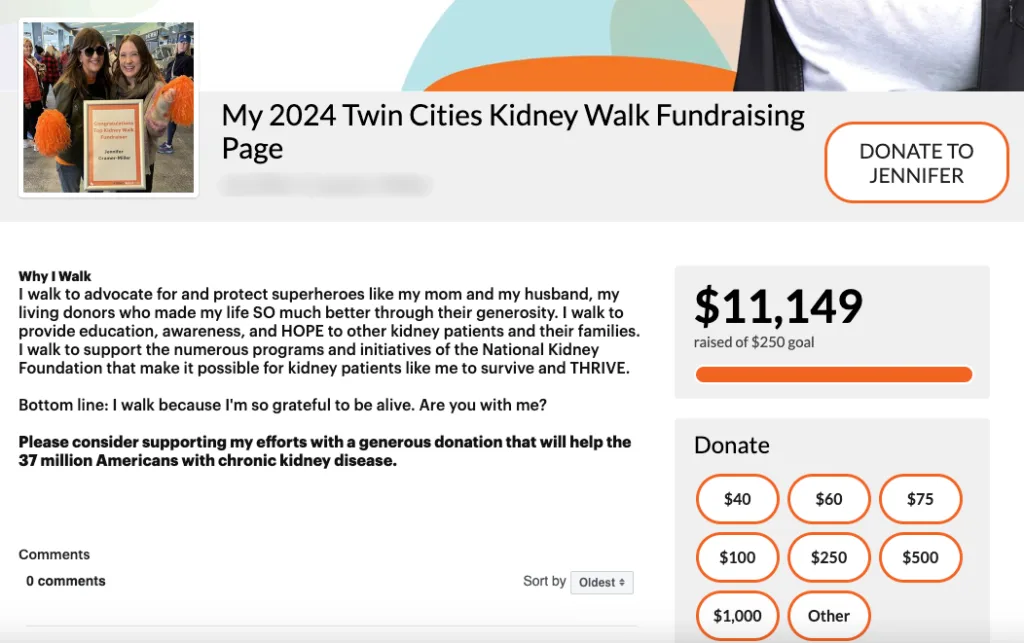
Individuals and teams fundraised for The National Kidney Foundation’s 2024 Twin Cities Kidney Walk.
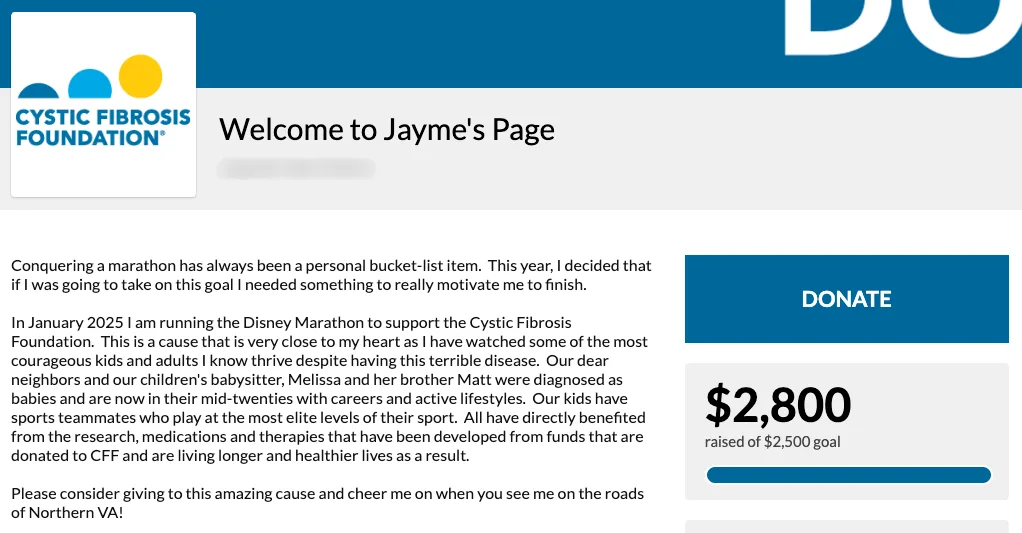
On behalf of the Cystic Fibrosis Foundation, supporters raised money for the organization’s Walt Disney World Marathon Weekend. Each person had a fundraising page they could share with their networks, and top fundraisers were listed on the campaign’s main page.
8 Steps to Launch a Peer-to-Peer Campaign
Peer-to-peer fundraising campaigns aren’t complicated, but they do require a bit of planning to get off the ground. Here are the 8 steps you need to launch a peer-to-peer fundraising campaign:
- Outline your objectives
- Dig into the details
- Set up your software
- Get fundraisers on board
- Create a campaign brand
- Outline your marketing strategy
- Equip your fundraisers
- Launch and engage
1. Outline Your Objectives
Before you launch a peer-to-peer campaign (or even ask anyone to join it), it’s crucial to define the campaign’s purpose. What are you asking supporters to do? What specific initiative will the funds raised go to support?
This is the time to set fundraising goals, create a strategy for pitching the campaign to potential individual fundraisers (why should someone organize a peer-to-peer fundraiser on your behalf?), and outline clear instructions for your staff and supporters.
2. Dig Into the Details
As with any fundraising campaign, there are logistics to consider with a P2P campaign.
For example, if the campaign involves an event such as a marathon or gala, what do you need to make it happen? A planning committee? To plan an in-person event, list what’s required, such as a venue, entertainment, and food. If you’re doing a virtual or hybrid event, consider software, technology, and website needs.
A few other details to think of: Who is in charge of which aspects of the campaign? How will you keep track of results? What’s your plan for thanking fundraisers and donors? What will you do to nurture relationships with the new donors you acquire through the campaign?
3. Set Up Your Software
Remember all those details we discussed in the previous point? Using peer-to-peer fundraising software can make accomplishing all of that much smoother and easier.
Finding and implementing the right software is an important part of launching a successful peer-to-peer campaign. Software tools help you with many details, such as monitoring fundraising activity, processing payments, building landing pages, and running online events.
4. Get Fundraisers on Board
Next, it’s time to reach out to your supporters who will participate! These could be individuals you’ve seen demonstrate a lot of passion for your cause or have a personal story that ties them to it.
Other potential fundraisers could include volunteers, recurring donors, and those actively engaging with your organization on social media.
Remember to be clear about what they’ll need to do and what you’ll provide to help them fundraise effectively.
5. Create a Campaign Brand
It’s common for fundraising campaigns to have distinct branding from an organization’s main branding and other campaigns. Peer-to-peer fundraising campaigns are no exception.
Creating a visual brand gives your campaign an exciting, unique look, and writing official campaign messaging (theme, purpose statement, etc.) makes for a more credible and clear campaign.
This branding will show up within your campaign’s landing pages, graphics, and other marketing materials, presenting engaging visuals and messaging that will inspire your supporters.
6. Outline Your Marketing Strategy
While the individuals lending their names and networks for the peer-to-peer campaign will do much of the marketing, you’ll still need an overall marketing strategy for maximum visibility and engagement.
Outline a promotional timeline that builds in teaser posts to build anticipation, consistent progress updates to keep up your momentum, and post-campaign thank-yous to show appreciation.
Determine what you’ll share and when across your communication channels, including email, social media, text messaging, and your website.
7. Equip Your Fundraisers
One of the most crucial details to cover before launching a peer-to-peer campaign is equipping your fundraisers with the resources and knowledge they need to encourage their networks to be generous.
Doing this can include providing a toolkit with pre-written emails, social media posts, and text messages. Many peer-to-peer fundraisers involve creating a landing page for individuals who are fundraising, but remember to also give them customizable materials that will help them share this link and be effective advocates.
You can also host trainings or provide guidebooks that cover the campaign goals, how to share their stories about what the campaign and cause mean to them, and best practices for engaging their networks.
8. Launch and Engage
You’re almost ready to launch! During the campaign, maintain consistent communication with fundraisers and donors. Celebrate milestones, highlight top fundraisers, and emphasize the real-world impact of their generosity.
And perhaps most importantly, don’t forget to say “thank you”! Engaging with and thanking supporters throughout the campaign shows your gratitude to everyone involved and helps foster a sense of community among your loyal and new donors.
Peer-to-Peer Campaign FAQs
If you’re considering a peer-to-peer fundraising campaign for your nonprofit, you may have questions about the what, why, and how of it all. Here are a few answers to help fill you in before you start planning your own P2P campaign.
A peer-to-peer campaign works by recruiting a nonprofit’s most dedicated supporters to run personal fundraising campaigns on the organization’s behalf. Each fundraiser or team gets a landing page and resources, such as pre-written social media templates, to ask friends, family, and colleagues for donations.
A typical fundraiser page explains why the person is raising money, shows fundraising progress, and features suggested donation amounts. The nonprofit supports fundraisers throughout the campaign, while each fundraiser’s network extends the cause’s reach to new donors. Peer-to-peer fundraising software such as Neon Fundraise brings fundraiser pages, progress tracking, and donations together in one place.
A peer-to-peer campaign helps a nonprofit reach new donors, increase fundraising potential, deepen engagement with current supporters, and lower marketing costs. Every fundraiser shares the mission with a personal network, so people who have never heard of the organization discover the cause through someone they already know.
– Wider awareness: Fundraisers introduce the mission to friends, family, and colleagues.
– More fundraising potential: Multiple supporter networks extend the reach of every appeal.
– Deeper engagement: Current donors connect more closely to the mission when they share their own story.
– Lower costs: Fundraisers handle most of the outreach, which cuts typical campaign marketing costs.
For a fuller look at why the strategy works, read our complete guide to peer-to-peer fundraising.
No. A peer-to-peer campaign and a crowdfunding campaign share some traits, but they work differently. In crowdfunding, one individual or organization asks a broad audience to donate to a single page. In a peer-to-peer campaign, multiple individuals each ask their own networks to give to a specific nonprofit’s cause.
Anyone can use crowdfunding, including individuals who collect money through payment apps or personal fundraising pages to cover expenses like medical bills. A peer-to-peer campaign supports a nonprofit, and each fundraiser’s personal page adds a new network of potential donors. To decide which approach fits a specific goal, compare nonprofit crowdfunding and peer-to-peer fundraising side by side.
A peer-to-peer campaign can last a single day, a week, a month, or run year-round, depending on its type. Time-bound campaigns such as GivingTuesday or year-end drives run for a set period, event-based campaigns collect pledges in the weeks before the event, and evergreen campaigns let supporters start fundraising anytime.
A firm deadline creates urgency and momentum, which is why GivingTuesday and the December 31 year-end cutoff suit time-bound campaigns. Evergreen campaigns, such as birthday or milestone fundraisers, sustain engagement between major events with minimal staff oversight. You can match the timeline to your team’s capacity and your supporters’ calendars. Learn more about different types of peer-to-peer fundraising campaigns.
The strongest fundraisers for a peer-to-peer campaign are supporters who already show passion for the cause or have a personal story that connects them to it. Volunteers, recurring donors, and supporters who engage on social media often make good candidates because they know the mission and have networks of their own.
When you invite fundraisers, clarify what you expect from them and what support your team will provide. A small group of loyal supporters can also pilot the campaign and share feedback before you scale up. Your recurring donors already give consistently, which makes them natural people to ask first.
A nonprofit can equip peer-to-peer campaign fundraisers with pre-written emails, social media posts, and text messages they can customize, plus training sessions or a guidebook. A good guidebook covers campaign objectives, storytelling approaches, and best practices for engaging their networks.
Ready-to-use peer-to-peer fundraising templates let fundraisers send consistent, on-message appeals without extra guidance from your team. Simple onboarding helps fundraisers create their pages quickly, and a centralized FAQ or help hub cuts down on one-off questions. To give fundraisers a head start, share our peer-to-peer ask email templates.
After a peer-to-peer campaign ends, a nonprofit can thank fundraisers and donors, share the campaign’s real-world impact, and start nurturing the new relationships the campaign created. Then the team can review what worked and what didn’t to improve the next campaign.
Useful review questions include whether fundraisers struggled to create pages and which types of stories performed better. Reusing effective templates, outreach methods, or campaign themes builds familiarity and loyalty among supporters. With a nonprofit CRM like Neon CRM, your team can segment new peer-to-peer donors, trigger automated thank-you and check-in emails, and analyze fundraiser behavior alongside the rest of your donor data.
Technology That Takes Your Peer-to-Peer Campaign to the Next Level
Planning and launching a peer-to-peer campaign requires defining a clear and thoughtful purpose, recruiting passionate fundraisers, and incorporating software and other tools that will help you be successful.
Neon Fundraise, an innovative peer-to-peer fundraising software tool for nonprofits like yours, has built-in features like a site builder, payment processing, motivating badges and achievements, and much more that allow you to create a seamless experience for your donors, fundraisers, and staff.
Learn more about this powerful tool today—schedule a 1:1 demo to see how Neon Fundraise can elevate your next peer-to-peer fundraiser to new levels!