
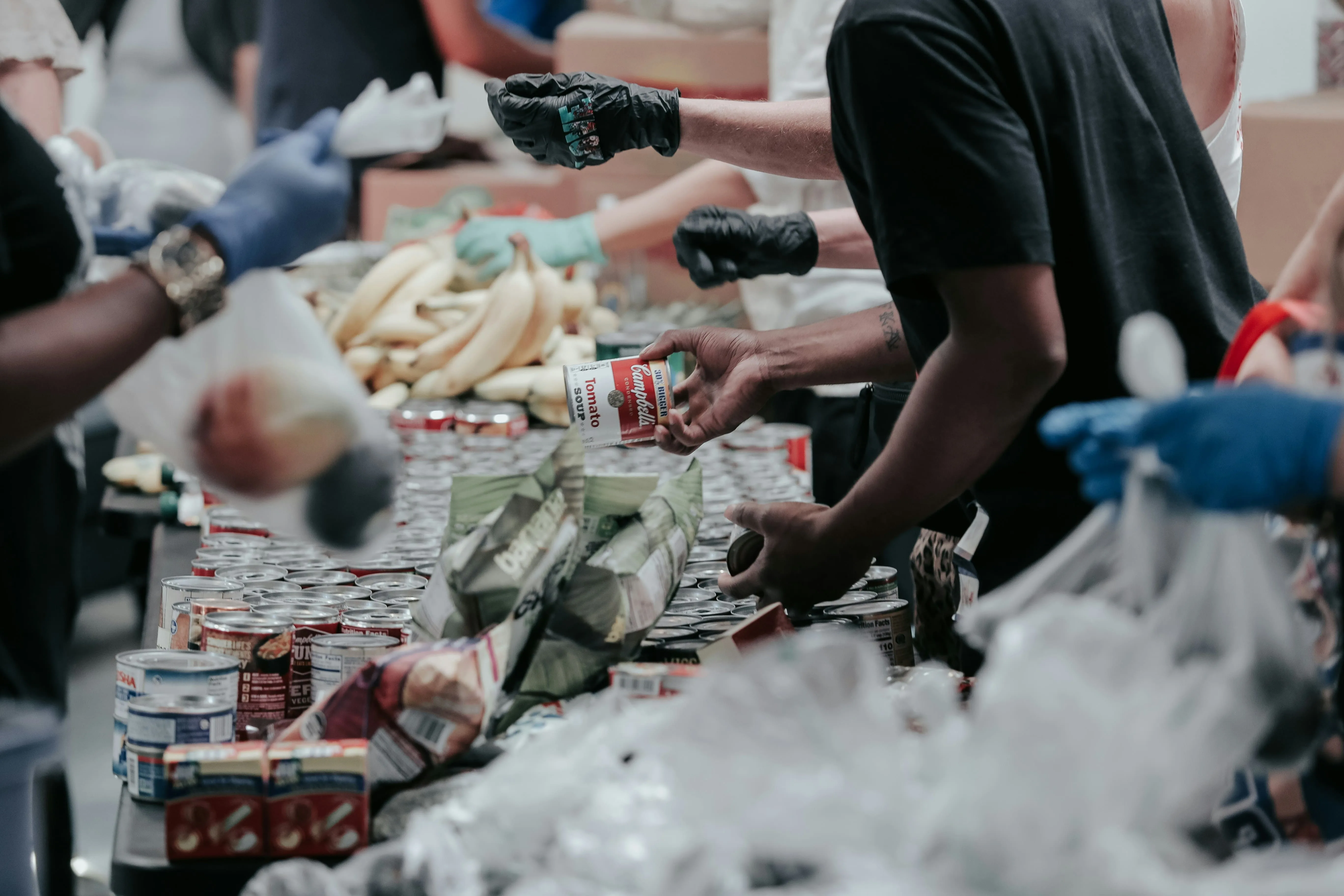
What do you think about when you hear the word “generosity?”
If you’re like a lot of fundraisers, you probably think about donations. And that makes sense, right? Raising money is your job, after all.
But if your fundraising strategy only focuses on financial gifts and givers, you might be missing out on something more powerful and more sustainable—the broader generosity of your community.
It’s time to rethink what being generous looks like and consider different kinds of generosity in your fundraising plan. And we’re not just saying that—data from GivingTuesday 2024 backs this up!
It’s Time to Reimagine Generosity
It’s easy to divide your community into donors and non-donors. And it’s also easy to try and neatly assign donors to a specific tier on the donor pyramid. But real life isn’t that tidy!
People support your work in a lot of ways. Some are financial and some are not.
Yes, people donate. But they also volunteer. They advocate. They register for events. They share your posts, tell their friends about your work, and take all kinds of other actions that won’t show up in a transaction report or in their profiles in your nonprofit CRM. But all of that support still matters.
In fact, that non-financial generosity often comes before someone makes a gift. It’s a signal that someone believes in your work and wants to be part of your community. And, when people engage in both financial and non-financial generosity, their overall giving tends to grow more quickly over time than people who don’t.
Redefining generosity to include actions that aren’t necessarily financial is an important part of building a resilient base of supporters and a sustainable fundraising program.
We’re not just saying this! We have a lot of data that supports this idea—in fact, it’s the whole premise of The Generosity Report: Data-Backed Insights for Resilient Fundraising. That study covers five years of donor behavior, but the same concept is applicable over shorter periods of time, too. Take GivingTuesday in 2024 as an example.
What GivingTuesday Can Teach Us About Generosity
GivingTuesday was created in 2012 to encourage people to do good. Over the past decade, it’s grown into a global movement that inspires people to practice generosity. And that generosity shows up in lots of different forms!
On GivingTuesday, people give their time, their talent, their voice, their influence, and yes—their dollars.
In 2024, 36.1 million adults in the U.S. participated in GivingTuesday. Together, they gave $3.6 billion in a single day. But their generosity didn’t stop there.
Around half of all donors who made a gift on GivingTuesday made at least one additional donation before the end of the month. Some made financial gifts, while others volunteered, gave goods, or took action. Most people did more than one!

You’re Not Just Talking to Donors on GivingTuesday
When we wrote The Generosity Report, we looked at how nearly 100,000 everyday donors supported their favorite causes over time. We also dug into how people from the different cohorts represented in that initial study donated to nonprofits on GivingTuesday in 2024.
One of the most powerful findings was that members of every cohort—recurring donors, pledgemakers, volunteers, event registrants, and peer-to-peer participants—gave on GivingTuesday in 2024.
What that means is that, while GivingTuesday remains an amazing opportunity to reach new donors, many of the people who gave on GivingTuesday had a well-established relationship with the nonprofits they supported. Many had been engaging with nonprofits in other ways long before they made a gift.
There are two things to take from this:
- The people who support you on GivingTuesday are not just donors—they’re involved in other ways
- People are generous all year, not just on GivingTuesday
Building this into your fundraising strategy, both on GivingTuesday and during the rest of the year, will make you more effective.
Do You Know Your Donors?
They’re more generous than you might think … and we have proof. Download The Generosity Report today!
What This Means for Your Fundraising Strategy
Redefining generosity isn’t a tactic that you can immediately apply to your work. It’s a strategic shift in your mindset. That kind of shift can take time! But it will also help you build stronger relationships, raise more money, and create a more resilient community of support.
Here’s what that looks like in practice.
Get Your GivingTuesday Templates, Guides, and More!
Neon One’s GivingTuesday Resource Center has all the resources you need to craft an unforgettable campaign and kick off your year-end giving push.
1. Recognize Generosity in All Its Forms
Paying attention to the people who show up for your work in non-financial ways. Thank your volunteers. Celebrate your social media ambassadors. Reach out to people who register for your events. And, as you do so, give them (thoughtfully written) opportunities to get involved in other activities, including fundraising.
2. Nurture Relationships, not Transactions
People don’t want to feel like they’re only valuable to your organization when they’re giving money. If your interactions with your donors (let alone all your other types of supporters) feel transactional, they’ll churn. But if you treat those people like partners in your work instead of treating them like line items in a transaction report, they’ll stick around. That’s how you build long-term support.
3. Get Comfortable Doing Things Differently
Redefining generosity might mean shifting some of your processes, language, or metrics. It might mean setting goals for volunteer recruitment or social engagement alongside your revenue targets. It might mean assuring your volunteer coordinator that sending a (segmented) appeal to your volunteer list won’t result in them disengaging from you. It might even mean advocating internally for a broader definition of success.
All of those things have the potential to be uncomfortable or even scary. That’s okay! Growth is often uncomfortable, but it’s always worth it.
4. Use GivingTuesday as a Lab
One of the best things about GivingTuesday is how flexible it is. Yes, it’s a big day for donations. But it’s also a prime opportunity to experiment with engaging different audiences. Try inviting people to take non-financial actions, like showing up to a volunteer day or signing up to participate in a peer-to-peer fundraising campaign. Test new messaging.
Ask your community what generosity means to them and how they like practicing that generosity. Then, use what you learn to shape your year-round engagement strategy.
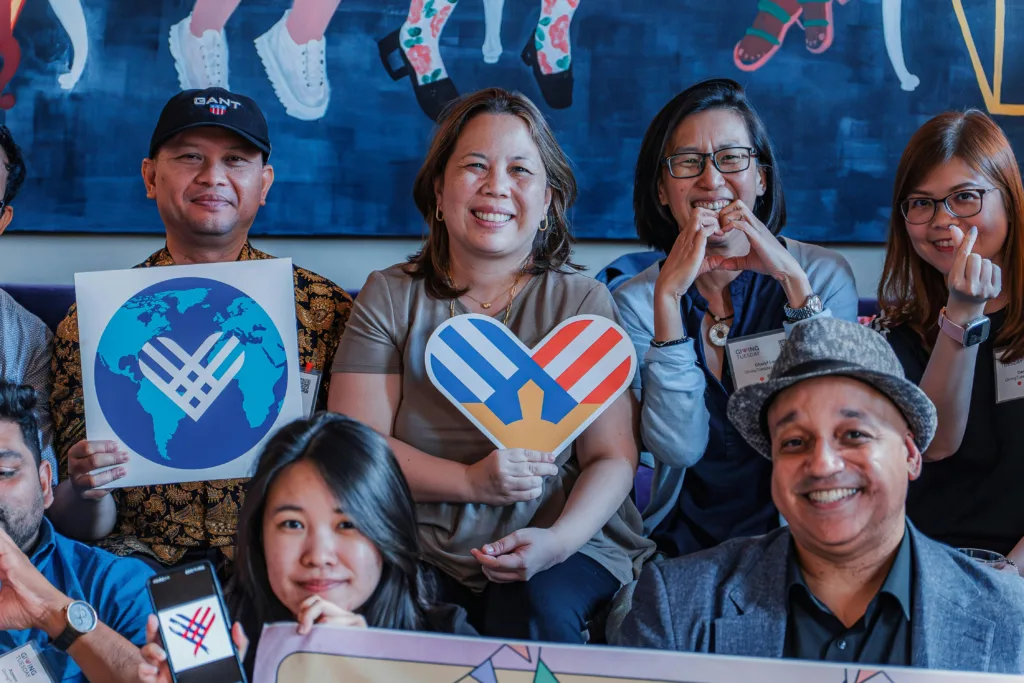
Generosity Is Everywhere If You Know How to Look
Your community wants to support your work! But not everyone will do that by clicking “Donate Now” the first time they visit your site.
Any way someone decides to get involved in your work, whether it’s by making a one-time gift, signing up to volunteer, or even just subscribing to your newsletter, is an invitation for you to connect with them and build a relationship with them.
When you start looking for generosity in all its forms—and when you treat those expressions of generosity as valuable and valid—you’ll be much better positioned to start inviting people to express that generosity in many other ways. Including through financial gifts.
Want more data on how everyday supporters express generosity? The Generosity Report: Data-Backed Insights for GivingTuesday and End of Year explores how people gave to their favorite nonprofits in December 2024 and what that means for you. Get your copy today!
Dig Into Data Around GivingTuesday and End-of-Year Generosity
This special addition to The Generosity Report digs into how people supported their favorite causes in December of 2024. You’ll uncover their behaviors on GivingTuesday, during the last three days of the year, and during the rest of the month. And, even more importantly, you’ll learn what those patterns mean and how you can use those insights to engage your community all year.