
— KEY TAKEAWAYS
Nonprofit events are organized gatherings designed to raise funds, build community awareness, and deepen the donor relationships that drive long-term giving.
- The best event for your organization depends on three core factors: your 501(c)(3) mission, your available staff and volunteer resources, and your supporters’ preferences.
- Peer-to-peer events (like 5Ks and bike rides) expand your donor reach by empowering participants to fundraise directly from their personal networks.
- Community and educational events (like block parties or workshops) serve as excellent acquisition channels, turning casual attendees into dedicated supporters and potential members.
- Hosting events significantly boosts donor lifetime value. According to Neon One’s Generosity Report, event attendees give 54% more over a five-year period than donors who do not attend events.
- To maximize success, centralize your event management and registration data into a single nonprofit CRM to accurately track post-event engagement.
When considering what kind of event your organization could hold, you might find yourself suffering from choice paralysis. There are so many different kinds of nonprofit event ideas out there! How do you choose just one?
The type of events that will work best for your nonprofit will depend on three major factors: your organization’s mission, your available resources—including your event management platform and/or peer-to-peer fundraising software—and your supporters’ preferences. The best nonprofit fundraising event is one that serves your 501(c)(3) mission, delights your community, and doesn’t burn out your staff. And, fun fact, people who register for events tend to grow their giving more quickly over time than people who don’t. That means that your events benefit you both in the short and long term!

Looking for Better, Safer Ways to Use AI?
The AI Xchange, by Neon One, is a resource hub that helps you use AI efficiently and safely—so you save time without risking donor trust.
With those factors in mind, we’ve put together a list of 75 nonprofit event ideas to help serve as a “vision board” for your organization’s next event (plus a handy nonprofit event planning checklist to help you turn that vision into reality).
As you comb through these ideas, make sure to keep in mind what your nonprofit’s tech stack is capable of pulling off. If you don’t have a comprehensive event management platform to help you manage your fundraiser, you’re better off sticking with one of the simpler entries.
Alright, enough preamble. We’ve broken all of these ideas down into six major categories. Enjoy!
Table of Contents
- Best Peer-to-Peer Fundraising Event Ideas
- Best Arts & Culture Event Ideas
- Best Community Event Ideas
- Best Educational Event Ideas
- Best Event Ideas for Adults
- Best Event Ideas for Kids & Families
- Nonprofit Event FAQs
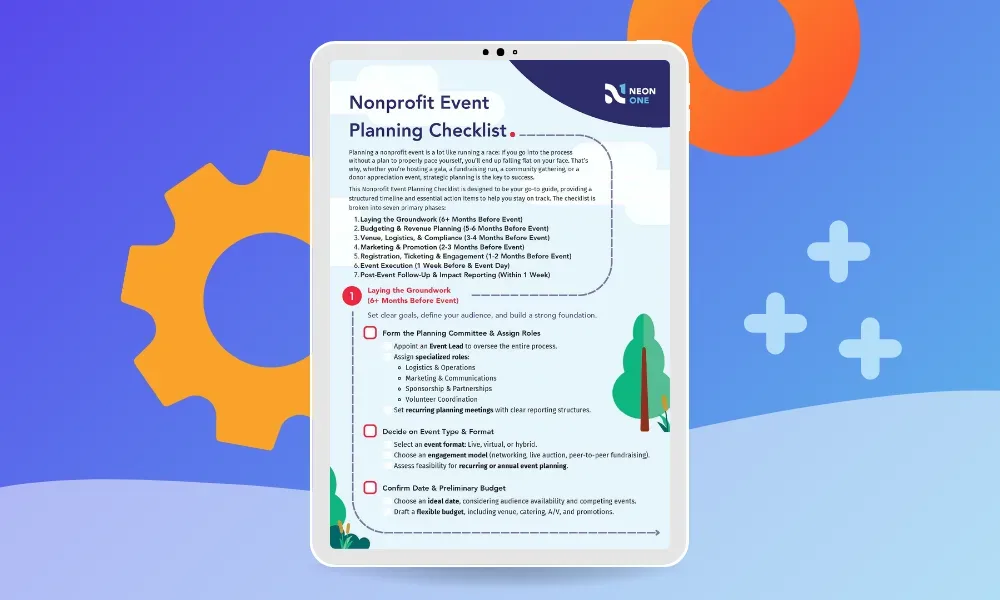
- Use This Checklist To Plan Your Next Event
What are the best peer-to-peer fundraising event ideas for nonprofits?
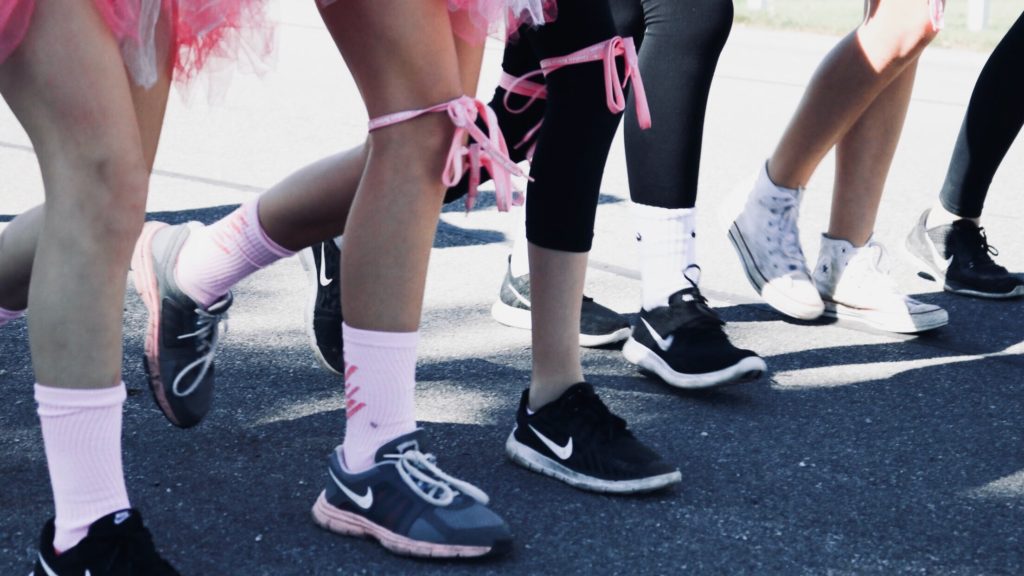
The best peer-to-peer fundraising event ideas for nonprofits include charity 5Ks and fun runs, golf tournaments, bike rides, dance-a-thons, pledge-a-thons, and challenge events. In a peer-to-peer (P2P) fundraiser, your organization recruits individual participants who then raise money directly from their personal networks—dramatically expanding your donor reach beyond your existing base. These events are among the highest-ROI formats available: Chicago Run grew their marathon team from 20 runners raising $30,000 to 90 runners raising nearly $150,000 in four years using Neon Fundraise’s peer-to-peer tools. P2P events work best when participants have personal fundraising pages, automated milestone emails, and a leaderboard to drive friendly competition. Organizations with a dedicated peer-to-peer fundraising platform consistently outperform those managing P2P events manually through spreadsheets.
The possibilities for peer-to-peer fundraising events are nigh on endless—especially if you have the right peer-to-peer fundraising platform in your corner—but here are 11 of the most popular kinds:
| Event Idea | Effort Level | Best For | Quick Notes |
|---|---|---|---|
| Golf Tournament | High | Major donors + corporate sponsorships | Premium experience; great for sponsorship packages |
| Foot Race (5K, fun run, walkathon) | Medium | Broad community participation | Easy to repeat annually; great for teams |
| Bike Ride | Medium–High | Fitness-forward supporters + corporate teams | Route logistics, but strong fundraising upside |
| Sports Tournament | Medium | Local leagues + community-building | Brackets + concessions + sponsor visibility |
| Challenge Events | Low–Medium | Awareness + social sharing | “Do something hard/weird” energy; can travel fast online |
| Themed Trivia Night | Low–Medium | Young professionals + recurring community events | Sponsor prizes; “pay for hints/mulligans” add-ons |
| Themed Costume Party | Medium | Social supporters + friend groups | Costume contest angle; sponsorships tied to participation |
| Dance-a-Thon | Medium–High | Schools, youth groups, high-energy crowds | Needs safety planning + stamina; great for milestones |
| Cook-Off | Medium | Food-centric communities + local businesses | Tickets + tastings + “people’s choice” voting |
| Endurance Events (mud run/obstacle) | High | Serious fundraisers + athletic communities | Requires waivers + safety + structured milestones |
| Pledge-a-Thon | Low | Inclusive audiences (all ages/abilities) | Flexible “pledge per unit” model; easy progress tracking |
1. Golf Tournament
Bring together avid golfers and local philanthropists—in many cases, they’re one and the same—for a day on the greens. Like many of the fundraisers in this section, your participants can create personal fundraising pages and gather pledges from their network, often tied to their performance during the tournament. A charity golf tournament won’t just raise money and build excitement for your cause, it can also be a pillar of your major donor recruitment plan.
How to get started: Lock down your venue first—good courses book up fast, especially in the spring and fall. Then build your sponsorship tiers before you open registration, because corporate sponsors who get in early will anchor your revenue and help you recruit players. Standard sponsorship packages include title sponsor (named on everything), hole sponsors (signage on 1–2 holes), and refreshment sponsors (cart snacks, beverage station). Once you have two or three committed sponsors in hand, registration momentum tends to follow.
Neon One Pro Tip: Don’t wait for the tournament day to ask for donations. Use your P2P platform to open personal fundraising pages the moment registration goes live. Players with skin in the game raise more money—and they’ll want a leaderboard to brag about.
2. Foot Race (5K, Fun Run, Walkathon)
These are a classic of the genre. Charity races like marathons, 5Ks, fun runs, or walkathons invite participants to register with your nonprofit and collect donations from their community, making every step count for your cause. If your race is a success, you can pretty easily turn it into an annual tradition—one that your community will love!
These days, many nonprofits make races easier to run (and easier to give to) by using QR codes on signage, simple text-to-give prompts, and pre-made social sharing tools that help participants fundraise without adding more work for staff.
Holding a great 5k can make a big difference long-term: Neon One’s Generosity Report found that donors who register for at least one nonprofit event give an average first gift of $202.73—higher than non-event donors in the same cohort.
How to get started: Nail down your route first—literally. Walk or drive it yourself, check for road permit requirements in your city, and secure any park or street closures 8–12 weeks out. While you’re doing that, open registration early and set a participant cap you can actually manage. A route that bottlenecks 500 runners into a narrow bridge is a logistics nightmare nobody wants.
Neon One Pro Tip: The magic of a 5K isn’t race day—it’s the two weeks before, when participants are actively fundraising in their networks. Build in automated milestone emails (“You’re halfway to your goal! Share this link…”) to keep that momentum going. Done well, these small touches turn a classic community event into a low-lift, high-energy fundraiser that keeps supporters engaged from registration to the finish line.
3. Bike Ride
Over the past 20+ years, cycling has exploded in popularity; your nonprofit can draft off that momentum by holding a charity bike ride. Cyclists sign up for the ride and seek out people in their network to sponsor their participation. The longer the distance covered, the more funds they can potentially raise. It’s a healthy and engaging way to support your nonprofit’s cause.
How to get started: Plan two or three distance options (think 15 miles, 35 miles, and 65 miles) so casual riders and serious cyclists can both participate. Map your routes in a cycling app like Strava or RideWithGPS so riders get turn-by-turn navigation on event day. Then recruit a handful of cycling clubs to co-promote the event—local cyclists have their own engaged networks, and tapping into them costs you nothing.
Neon One Pro Tip: Charity bike rides have gotten more streamlined with mobile check-in, simple route tracking, and peer-to-peer fundraising page templates—plus plenty of room for corporate teams to turn friendly competition into extra sponsorship dollars. The result is an event that feels polished and professional while still delivering the camaraderie and challenge that riders love.
4. Sports Tournament
Organizing a sports tournament can attract local teams and sports enthusiasts to compete in games like soccer, baseball, softball, basketball, and more. If there are any amateur sporting leagues in your area, a tournament will help you tap into that network and potentially expand your donor pool. It’s a great way to harness the competitive spirit for a good cause.
How to get started: Pick one sport and one venue before anything else. Trying to run a multi-sport event your first time out is a recipe for chaos. Reach out to local recreational leagues directly—email the league commissioner, not just individual players—and offer team registration discounts for groups who sign up together. You’ll fill your bracket faster and with less legwork.
Neon One Pro Tip: Sports tournaments are increasingly digital, with online brackets, live score updates, and easy tap-to-pay options at concessions, giving sponsors more visibility and making the day run more smoothly for everyone involved. When logistics fade into the background, players and fans can focus on having fun—and supporting your cause.
6. Themed Trivia Night
This one’s for the nerds! While other events on this list are all about physical activity, hosting a themed trivia night makes for a slightly brainier night out. Teams can pay to participate in your event and can also seek sponsorships tied to their performance. Attendees will enjoy themed trivia questions, compete for prizes, and contribute to your cause while having a blast. You can even make your trivia night a regular event that builds a sense of community and brings in more potential donors.
How to get started: Write your questions before you book your venue—that’ll tell you how long the event actually runs. Aim for six to eight rounds of eight to ten questions each, with a short break in the middle. Recruit a host with real MC energy (not the volunteer who “will probably be fine”)—a confident, funny host can save a mediocre trivia night and elevate a good one.
Neon One Pro Tip: Trivia nights have become more flexible, often combining in-person play with livestream participation, mobile voting, and live leaderboards. The real revenue kicker? Add-ons. Sell “extra hints” for $5, “music round answers” for $10, and “steal a point” cards at the bar. These micro-transactions don’t feel like fundraising, but they quietly add up—often boosting per-team revenue by 30% or more. It’s a great example of how a familiar format can evolve without losing the fun that keeps people coming back.
7. Themed Costume Party
A themed costume party is an opportunity for supporters to dress up according to a chosen theme and enjoy a fun night out. Don’t worry too much about tying the theme too closely to your nonprofit’s cause—a goofy “pirate” theme, for instance, will always be appreciated no matter what kind of organization is throwing it. You can up the ante by building your party around a costume contest and encouraging attendees to get sponsorships for their participation.
How to get started: Choose a theme with clear visual language—something people can Google quickly and find a costume for. “1980s prom,” “spooky villains,” or “famous duos” all give attendees enough direction without narrowing the field too much. Announce the theme at least six weeks out so people have time to plan (costume procurement is its own project, trust us).
Neon One Pro Tip: Make the costume contest a revenue driver, not just entertainment. Charge $5 per vote in a mobile polling app, let sponsors underwrite prize categories, and announce winners at the peak of the event—not at the end when people are already heading home. If your platform supports peer-to-peer elements, give every registered attendee a personal fundraising page to share before the party. Turns out people will fundraise for literally anything if there’s a fun costume on the line.
8. Dance-a-Thon
You and your staff work tirelessly to bring your nonprofit’s mission to life. Why not ask your supporters to join in the fun and dance till they drop? In a dance-a-thon, participants gather donations from friends and family based on their hours spent dancing. It’s a lively and interactive way to raise funds—just make sure that you have some professionals on hand in case people get a little carried away or don’t stay properly hydrated.
How to get started: The logistics that kill dance-a-thons are: music licensing, floor space per dancer, hydration stations, and how you’re tracking hours danced. Nail those four things before you promote the event. For music, services like Soundtrack Your Brand or a licensed DJ keep you compliant. For tracking, a simple punch-card or timestamp system works fine—it doesn’t need to be fancy.
Neon One Pro Tip:Many dance-a-thons now extend beyond the room itself, using livestreams, online fundraising tools, and milestone-based rewards to keep supporters engaged—and donating—throughout the event. Set hourly milestones (“If we raise $500 in the next hour, the staff team does a surprise dance!”) and announce them at the event. These small moments create viral-worthy content and keep energy high at the 4-hour mark when everyone starts to drag.
9. Cook-Off
Does your area have a special dish that is imbued with a lot of local pride? Whether your community specializes in pies, jams, barbecue, or jambalaya, your nonprofit can create a showcase where culinary enthusiasts can compete for a big prize (and even bigger bragging rights). This is an event where you can sell tickets and food in addition to asking participants to fundraise.
How to get started: Start by recruiting your judges before you open competitor registration—having notable judges (a local chef, a food journalist, a celebrity-adjacent community figure) legitimizes the event and makes competitors more eager to participate. Then decide on your judging categories (presentation, taste, creativity) and publish them so competitors can prepare. Ambiguity in judging criteria creates drama of the wrong kind.
Neon One Pro Tip: Cook-offs work especially well when paired with online “people’s choice” voting. Open it up the day before the event and charge $1 per vote—this builds buzz before the first dish hits the table and creates a revenue stream that doesn’t require any staff presence. Add sponsor-backed “ingredient categories” (e.g., “The [Local Business] Signature Spice Round”) to get local businesses invested in promoting the event to their own customer bases.
10. Endurance Events (Mud Run / Obstacle Course)
Think mud runs, obstacle courses, or endurance challenges where participants push themselves to the limit—all while raising money for a cause. Each participant collects sponsorships from friends and family, with donations tied to milestones they complete, such as laps run, obstacles conquered, or minutes endured. The challenge can be adapted for all fitness levels, from fun backyard-style obstacle courses to professional endurance races.
How to get started:You have two paths here: partner with an established mud run or obstacle event company to add a nonprofit fundraising layer on top of their existing event, or build something custom. The first path is dramatically lower-lift and still effective. If you want to go custom, start with your safety and liability plan before you design a single obstacle—that’s not the fun part, but it protects everyone involved.
Neon One Pro Tip: Because endurance events ask a lot of participants, successful versions focus on clear safety expectations, digital waivers (collected before event day, not the morning of), and well-timed fundraising milestones. Consider a system where participants unlock a fundraising badge or get a visible wristband upgrade when they hit $100, $250, $500 in donations. That combination of physical achievement and fundraising recognition is what drives this format’s outsized results.
11. Pledge-a-Thon
A pledge-a-thon is a peer-to-peer fundraising event where participants raise money by committing to a measurable personal challenge—reading books, doing push-ups, completing art projects, or any goal donors can track.
Unlike a standard walkathon, the pledge-a-thon model is format-agnostic: any activity with a quantifiable unit of progress works. Donors pledge a set amount per unit (per book read, per mile walked, per painting completed), creating ongoing incentive for participants to push toward their goals.
This format is uniquely inclusive—it works for all ages, fitness levels, and abilities, making it one of the most accessible peer-to-peer fundraising events available.
How to get started: Pick your unit of measurement first—pledges per book read, per mile walked, per painting completed—and make sure it’s something you can actually track. Then build a simple progress update schedule into your campaign: participants who send three or more updates to their donors raise significantly more than those who go silent after launch.
Neon One Pro Tip: Pledge-a-thons have become easier to manage by tracking progress online and unlocking matching gifts as participants hit key goals. Here’s a move that consistently outperforms: set a matching gift threshold at a mid-level milestone (say, $200 raised = matched by a board member up to $100). It incentivizes participants to push past their comfort zone and gives major donors a structured, high-visibility way to amplify their impact.
Success Spotlight: Quadrupling Peer-to-Peer Revenue
Chicago Run brings inclusive, movement-based programs to more than 10,000 youth across Chicago every school year.
When they committed to peer-to-peer fundraising with Neon Fundraise, their charity marathon team grew from 20 runners raising $30,000 to 90 runners raising nearly $150,000—a more than 4x increase over four years.
The platform’s clean, mobile-optimized design helped supporters feel confident sharing their personal fundraising pages. As Jordan Walker, Chicago Run’s Senior Development and Communications Manager, put it: “When it comes to sustainable fundraising, peer-to-peer is the way to go.”
They’re not the only ones who’ve seen these kinds of results. 5KforJK, a nonprofit supporting people living with Parkinson’s disease, increased donations from $134,000 to $180,000—a 34% jump—after adopting Neon Fundraise, despite losing a $10,000 sponsor in the same year.
Check out their stories below!


Guest Pitches: We want to publish your story!
Looking to share your insights and broaden your reach? Write an article and let us share it with our audience of over 100,000 nonprofit leaders.
What are the best arts and culture event ideas for nonprofits?
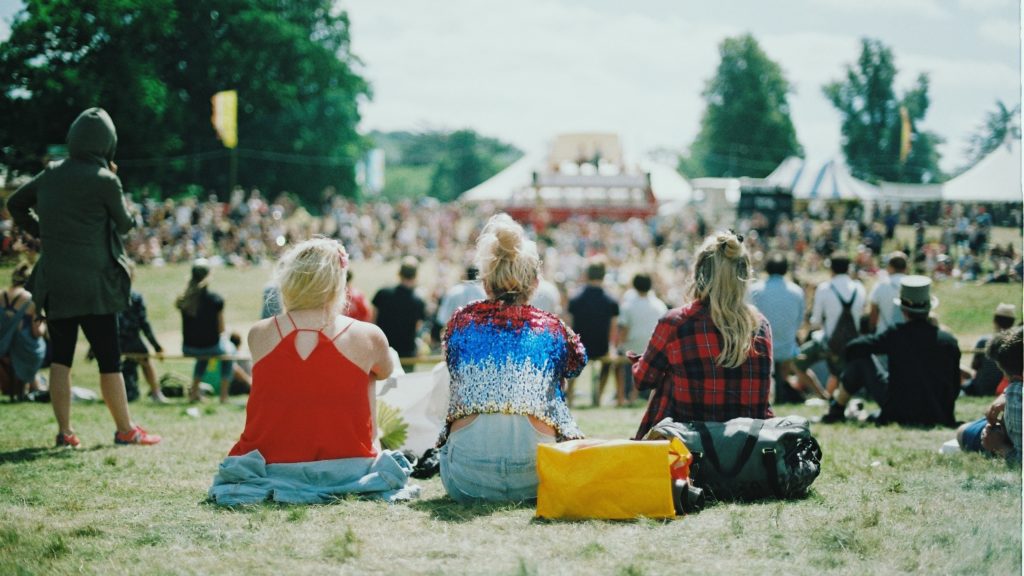
Arts and culture events give nonprofits a creative platform to engage donors, showcase local talent, and deepen community ties. Whether you lead an arts organization or not, events like concerts, gallery openings, fashion shows, and live mural painting attract audiences that are often harder to reach through traditional fundraising—while delivering an experience people genuinely want to attend.
For nonprofits whose missions lie in the arts and culture spaces, many of the events listed here are pretty par for the course. But there are also tons of opportunities for non-arts-based organizations to throw an event that showcases creativity.
Here are 12 arts and culture-related nonprofit events that blend entertainment, education, and appreciation while creating strong connections in local communities—and raising some funds to boot.
| Event Idea | Effort Level | Best For | Quick Notes |
|---|---|---|---|
| Concert | Medium | Local music lovers + sponsorship-friendly fundraising | Ticket sales + sponsor visibility; can add livestream option |
| Fashion Show | High | Corporate sponsors + style/retail partners | Works for non-arts orgs too (theme it to your mission) |
| Art Exhibition | Medium | Local artists + relationship-building with donors | “Opening night” fundraiser + optional virtual viewing |
| Gala Dinner Theater | High | Major donors + experience-driven supporters | Gala + performance combo; often includes mobile bidding/check-in |
| Karaoke Night | Low–Medium | Social supporters + groups | Cover charge or competition; can add P2P element |
| Film Screening | Low–Medium | Mission storytelling + discussion-oriented audiences | Great for docs/classics; plan licensing + Q&A options |
| Arts and Crafts Fair | Medium | Community engagement + local vendors | Vendor revenue share; often free to attend, easy to “go cashless” |
| Dance Shows | Medium | Performing arts supporters + families | Ticketed event that showcases local performers |
| Storytelling Night | Low | Families + mission-driven community building | Either cause-related stories or local storytellers; seasonal themes work well |
| Book Sale | Low–Medium | Bookworms + bargain hunters | Donated inventory → proceeds; can feature local authors |
| Outdoor Yoga Sessions | Low–Medium | Wellness-minded supporters + casual donors | Partner with instructor; charge per participant (indoor works too) |
| Live Mural Painting | Medium | Community visibility + sponsor-friendly giving | Donors can “sponsor” sections; becomes a lasting public symbol |
12. Concert
Bring together local music lovers for an unforgettable evening that highlights your nonprofit’s mission. And you don’t need famous musical groups either: Local acts with local fan bases are a great way to attract audiences and put on a great show. Your organization can attract sponsorship donors and local businesses while charging money for tickets and asking for additional donations during the event.
How to get started: Book your venue before you book your talent—this is the most common sequencing mistake nonprofits make with concerts. Venue determines your capacity, your sound requirements, your rental costs, and your permit needs. Once you have a venue with a date, then reach out to local artists. Lead with the mission and the community exposure; many local acts will reduce their rate or perform pro bono for a cause they believe in.
Neon One Pro Tip: In 2026, many nonprofits extend concerts beyond the room itself by offering livestream ticket options, using mobile tickets with QR check-in, and highlighting sponsors in digital programs. Don’t leave that revenue on the table. A $10 virtual ticket option that costs you almost nothing to offer can add hundreds of dollars to your final tally—and it’s a nice way to include supporters who can’t make it in person.
13. Fashion Show
Hold a fashion show that gives local designers and businesses a chance to display their latest styles while creating a theme that ties into your cause. This can work for organizations with missions that aren’t arts-related, too! An environmental nonprofit, for instance, might showcase styles made from organic or recycled materials. You can also let your designers set up booths to sell the fashions on display and turn the event into a mini-arts fair.
How to get started: Your first call should be to two or three local boutiques or fashion designers—not to ask for participation yet, but to ask for input. What kind of format appeals to them? What do they need in terms of setup space, lighting, and runway dimensions? Getting designers’ buy-in early means they’ll actively promote the event to their own customers, which dramatically reduces your marketing lift.
Neon One Pro Tip: Fashion shows now often include online silent auctions and shoppable looks, with many organizations planning ahead for strong photo and video content to share after the event. Here’s the real secret: your best fundraising moment isn’t during the show—it’s the 48 hours after, when you share a highlight reel. Assign someone to document the event specifically for post-event content, and have your donation link ready to attach to every post.
14. Art Exhibition
You can never go wrong with highlighting local artists. Solicit works from painters, sculptors, and photographers in your area and create a gallery exhibition to show off their works. You can throw an “opening night” fundraiser with tickets to create some buzz and excitement around the exhibit while giving your staff a great opportunity to chat up donors.
How to get started: Start your artist recruitment at least three months out with a clear submission brief: dimensions, medium, subject matter guidelines, and what percentage of any sale goes to your organization. Be specific about the sales arrangement upfront—artists need to know whether they’re donating the work, sharing proceeds, or selling independently. Ambiguity here kills relationships.
Neon One Pro Tip: More exhibitions are pairing in-person galleries with virtual viewing options. A simple solution: place a QR code beside each piece that links to the artist’s profile and a mobile donation form. Supporters who can’t attend in person can still browse, bid, and give. A digital donor recognition wall—updated in real time during opening night—adds a gratifying moment of visibility for your most generous supporters.
15. Gala Dinner Theater
We touch on annual galas later on in the list, but why not create a gala event that’s centered around a theater performance? This works great for theater companies, but it can also work as a joint fundraiser between a theater and another organization. Work with local businesses to secure food and catering (possibly as sponsorships). Pick a play that’s a fun crowd-pleaser, or maybe go with some improv, standup, or sketch comedy!
How to get started: The most important early decision is format sequencing: dinner first and then performance, or performance with dinner service? Both work, but they require radically different logistical planning. Performance-then-dinner allows your guests to fully engage with the show, then transition to a more relaxed environment where your team can cultivate donor conversations. If you go with improv or sketch, brief your performers on your mission—the best improv acts find ways to weave in the cause naturally, and audiences love it.
Neon One Pro Tip: These days, gala-style theater events frequently rely on mobile bidding, tableless checkout, and thoughtful sponsor integrations to keep the evening flowing smoothly. Here’s what separates forgettable galas from ones people talk about for years: a single, well-crafted “ask moment” from someone who has been genuinely transformed by your work. One two-minute story from a constituent beats ten minutes of statistics every time. Build it into your run-of-show, not as an afterthought, but as the emotional peak of the evening.
16. Karaoke Night
Host a karaoke night and watch your supporters get their diva on. You can host this as just a fun evening of entertainment with a cover charge, or you can make it a competition with an entry fee—and you could even include a peer-to-peer element. If you decide to make it a competition, have fun putting together your roster of judges (think peak Simon Cowell) and put a limit on how many people can do Paradise by the Dashboard Light (zero).
How to get started: The technical setup determines everything: you need a solid karaoke system (either rent a proper rig or partner with a venue that already has one), good microphones, and a sound setup that won’t distort when someone really commits to their power ballad. Budget at least $200–400 for equipment if you’re doing it yourself, or find a venue that provides the system as part of your rental agreement.
Neon One Pro Tip: Karaoke nights have embraced mobile interaction, from song requests sent by text to donation “boosts” that can nudge someone onto the stage. Here’s a fundraising mechanic that works extremely well: let the audience vote with dollars to put specific people on stage. The higher the bid, the sooner you sing. It’s consensual chaos, it’s hilarious, and it drives your donation total up in ways your traditional “please give” ask never will.
17. Film Screening
Screen a thought-provoking documentary related to your mission, an independent film from an up-and-coming director, or a cinema classic that both parents and kids can enjoy. The possibilities are endless! Summertime is an especially good time for film screenings, as you can turn them into an outdoor picnic event.
How to get started: Licensing is step one, and it is non-negotiable. You cannot legally screen most films publicly without a public performance license. Services like Swank Motion Pictures or Criterion Pictures offer nonprofit licensing for a fee that’s typically far less than you’d expect. Budget it into your event costs from day one, not as an afterthought when someone asks “are we allowed to do this?”
Neon One Pro Tip: The best film screenings aren’t really about the movie—they’re about the conversation the movie starts. Build in a structured 20–30 minute post-screening discussion with a panelist or staff member who can connect the film’s themes to your mission and to concrete ways the audience can help. Well-timed SMS donation moments during that discussion consistently produce higher average gifts than passive asks.
18. Arts and Crafts Fair
Hold an arts and crafts fair that celebrates the creativity of local artisans. Vendors showcase handmade crafts, jewelry, and artwork, and a percentage of sales goes to the nonprofit hosting the fair, supporting its cultural programs. This is a great event to build connections with your community, as it doesn’t require tickets to attend.
Arts and crafts fairs are increasingly cashless, with vendors accepting payments via QR codes and appearing in online directories promoted after the event. A simple “shop small” follow-up email helps extend the impact beyond the day of the fair.
How to get started: Recruit your vendors at least six to eight weeks out with a clear vendor agreement that spells out booth fees, your percentage of sales, setup times, and what happens if a vendor cancels. A mix of 15–25 vendors is manageable for a first fair; beyond that, you’ll need dedicated volunteer coordinators for different zones. Map your vendor layout in advance—put the high-traffic vendors (jewelry, food, children’s crafts) near the entrance to pull people in.
Neon One Pro Tip: Don’t just track sales revenue on the day—build your donor list. Have a simple sign-up at the entrance, offer a raffle for attendees who opt in, and capture email addresses from every vendor. The people who show up to your arts fair are exactly the kind of community-engaged supporters who become recurring donors. The fair is just the first date.
19. Dance Shows
Bring together dance fans from your local community while showcasing the artistry and grace of local performers. This could be a fundraiser for a kids’ ballet group, or it could host a culturally specific dance troupe. Any type of dance show that you hold gives you the chance to sell tickets and build relationships with current and potential supporters.
How to get started: Reach out to local dance studios and troupes with a clear offer: a performance venue, promotional support, and a split of ticket revenue. Most dance groups are perpetually looking for performance opportunities and will do a significant amount of their own promotion to their students’ families, which means built-in ticket buyers you didn’t have to find yourself.
Neon One Pro Tip: The intermission is your best fundraising moment, and lots of organizations fail to capitalize on it. Have a board member or staff member take the stage at intermission with a 90-second mission moment and a clear, specific ask. Pair it with a mobile donation prompt pushed to everyone who checked in digitally. You’ll capture the emotional high of the first half before it fades—and before people wander out for the cookies.
20. Storytelling Night
There are two ways to put on a storytelling night. You can either host constituents who share stories related to your cause and your nonprofit’s work, or you can provide a stage for local storytellers to share narratives, myths, or personal tales. These events can be a great fit for kids and families. Consider hosting on holidays like Halloween, Christmas, or Veterans Day for some fun, seasonally-themed tales.
How to get started: Whether you’re doing constituent stories or open storytelling, coach your speakers in advance. Untrained storytelling is unpredictable in length and quality—and a 25-minute rambling story after the second one tanks the whole evening. Give each speaker a clear time limit (8–12 minutes works well), offer a simple story structure framework, and do a run-through the week before the event.
Neon One Pro Tip: Storytelling nights are especially well-suited for content capture. Record every story (with consent) and turn the best ones into donor stewardship pieces—a 3-minute video of a constituent sharing what your organization’s work meant to them is worth more than any brochure you’ll ever print. Hybrid open-mic formats and captioned clips also make these events more accessible and give your content team incredible raw material to work with.
21. Book Sale
Book sales offer a literary haven for bookworms. Supporters can browse through a wide selection of donated books and make purchases, with proceeds going toward the nonprofit’s initiatives. You can even host a local author as part of the event, and you should definitely set up a display with works related to your cause.
How to get started: Launch your book donation drive at least a month before the sale—the inventory sourcing is the entire logistics challenge. Set up collection bins at local libraries, coffee shops, and churches with a clear message about what you’re collecting for. Sort and price books in the week before the event; price most paperbacks at $1–$2, hardcovers at $3–$5, and create a premium shelf for first editions or signed copies.
Neon One Pro Tip: Book sales have modernized with online pre-sale bundles and clearer allergy labeling (kidding—that’s more of a bake sale thing). But here’s what actually works: offer a “curated box” bundle sold in advance. Ten books hand-selected by your staff around a theme (“Cozy Fall Reads,” “Books That Changed My Life”) sold for $25–$35 as a pre-sale option. It’s higher margin, it’s lower day-of stress, and your biggest book nerds will buy them before you’ve even finished announcing it.
22. Outdoor Yoga Sessions
Partner with a local yoga instructor to hold outdoor classes in a park. Charge a fee for each participant and include information about your nonprofit’s mission at the site. You could, of course, also choose to do these classes inside, and that might be a good way to use your nonprofit’s facilities. But what’s important is that you’re building relationships in the community and a familiarity with your mission.
How to get started: Find an instructor who has an existing following before you worry about marketing. A yoga teacher with 500 local Instagram followers will do half your promotion for you if they feel valued as a partner. Agree upfront on the revenue split (a common structure is 60% to the instructor, 40% to your organization for smaller classes) and handle registration through your own platform so you capture participants’ contact info.
Neon One Pro Tip: The yoga class is the beginning of the relationship, not the fundraiser itself. Capture every participant’s email at registration, send a thoughtful follow-up about your mission, and invite them to your next event. People who attend a low-pressure, high-enjoyment event like a yoga class are excellent candidates for first-time donors—if you stay in touch.
23. Live Mural Painting
This event transforms an empty wall into a vibrant piece of community art while raising funds for a great cause. Local artists create a mural live, and donors can “sponsor” sections of the artwork, having their name or message incorporated into the final piece. The event can be accompanied by live music, food trucks, and interactive art stations for attendees. Once complete, the mural serves as a lasting symbol of the community’s commitment to your nonprofit’s mission.
How to get started: Secure the wall first—get written permission from the property owner and, if it’s a public space, check your city’s mural permitting requirements. Then commission your artist and work with them to design the mural in advance (full improv murals rarely turn out as intended). Have the design ready to share publicly before the event so donors know exactly what they’re sponsoring.
Neon One Pro Tip: The “sponsor a section” model is clever because it converts what’s typically a passive donor experience into something tangible and permanent. Take it further by photographing each sponsor’s named section during the reveal and sending it to them personally—it’s a stewardship moment that costs nothing and lands in a way that a thank-you letter never can. That mural will be on that wall for years. So will the story of how it got there.
Success Spotlight: Arts Events as a Membership and Revenue Engine
Concord Center for the Visual Arts has been promoting art in its community since 1917. After adopting Neon CRM, they saw a 165% increase in class enrollment in their first five years on the platform—and have generated more than $214,000 in total revenue from art class registrations.
By managing memberships, event ticketing, and online transactions in a single system, Concord Art also grew their online transactions from 7% to 44% of total activity in just two years. For arts nonprofits, the right technology doesn’t just make events easier to run—it turns them into compounding revenue and relationship-building engines.

How Concord Arts Manages Memberships & Events in One Platform
What are the best community event ideas for nonprofits?
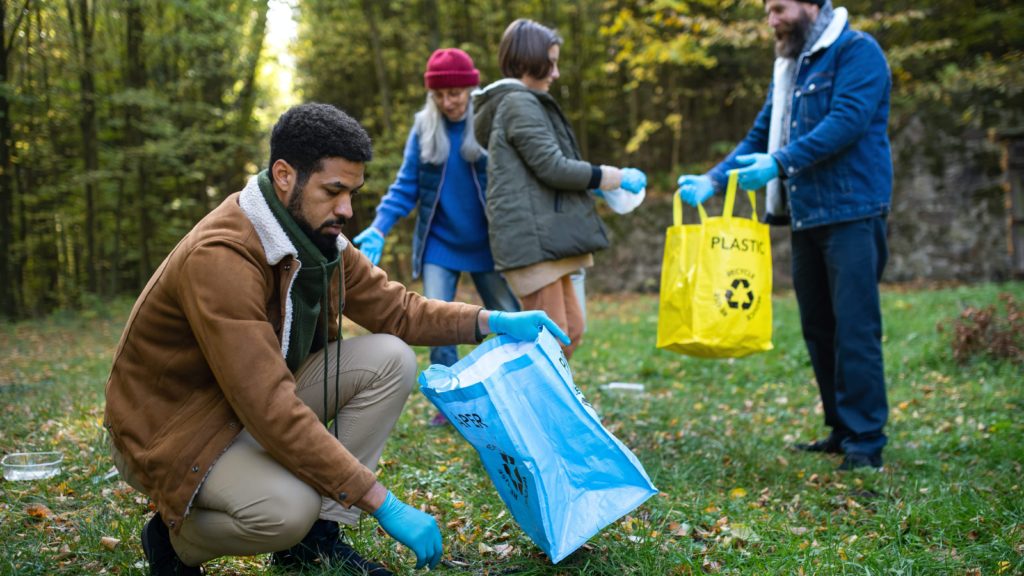
Community events are how nonprofits put their mission on display for their entire neighborhood. From food festivals and block parties to volunteer fairs and bake sales, these gatherings build the trust, visibility, and word-of-mouth that sustain organizations for the long term—often with minimal cost and maximum goodwill.
Community events are the heart and soul of nonprofit organizations, providing a way to connect, engage, and give back to the neighborhoods they serve. These events bring people together for a common cause while promoting a sense of unity and goodwill.
You might be saying to yourself: Aren’t all nonprofit events community events? Yes, they are! However, the events listed here focus specifically on community engagement.
| Event Idea | Effort Level | Best For | Quick Notes |
|---|---|---|---|
| Food Festival | High | Big community turnout + vendor partnerships | Ticketed entry or % of vendor/food truck proceeds |
| Cupcake Wars | Medium | Families + local business sponsors | Entry fees + admission + “vote for the winner” add-ons |
| Neighborhood Block Parties | Medium | Neighborhood awareness + community building | Great for visibility + volunteer signups |
| Spring Plant Sale | Low–Medium | Seasonal fundraising + garden lovers | Partner with nurseries; repeatable year-over-year |
| Volunteer Fair | Low–Medium | Volunteer recruitment + partner orgs | Best with schools/civic groups + clear roles |
| Pancake Breakfast | Medium | All-ages community fundraiser | Simple tickets; easy to add sponsors |
| Community Clean-Up Days | Low–Medium | Volunteer engagement + mission visibility | Impact-forward (great for photos + follow-up asks) |
| Pet Adoption Event | Medium–High | Animal orgs + community goodwill | Strong partner event with shelters/vendors |
| Picnic in the Park | Low–Medium | Casual supporters + families | Low-pressure relationship builder; weather backup plan |
| Volunteer Appreciation Party | Low | Volunteer retention | Stewardship-first; easy “bring-a-friend” angle |
| Community Garden Day | Medium | Sustainability-minded communities | Can become a recurring touchpoint |
| Bake Sale | Low | Quick fundraising + schools/youth groups | Easy, low cost; goes smoother with cashless options |
| Tree Planting Initiatives | Medium | Environmental impact + corporate teams | Sponsor-friendly and easy to quantify impact |
| Holiday Bazaar | Medium–High | Year-end community energy | Vendor fees + GivingTuesday/year-end tie-in |
| Repair & Reuse Fair | Medium | Sustainability + skill-sharing communities | Volunteer-driven repair stations + partner org booths |
| Charity Game Show Night | Low–Medium | High-energy crowds + team events | Entry fees + “donate to buy a hint” style upsells |
| Charity Pet Parade | Low–Medium | Families + pet lovers | Costume categories + vendor booths + adoption tie-ins |
| Farm-to-Table Dinner | High | Major donors + experience-driven supporters | Premium ticketing, sponsor underwriting, optional auction add-on |
24. Food Festival
Partner with community vendors to provide a feast for the senses featuring diverse cuisines, local delicacies, and culinary delights. You can have vendors set up booths, or you can do a version of this event focusing entirely on food trucks. You can sell tickets to this event or ask for a portion of the proceeds as a fundraiser (or even just to cover costs), but you should also use this opportunity to spread the word about your mission and programming.
How to get started: Recruit your vendors or food trucks 8–12 weeks out with a clear vendor agreement covering space fees, the percentage of proceeds you’ll collect, setup windows, and what happens in the event of poor weather. Aim for variety—a festival where every other booth sells pulled pork isn’t a food festival, it’s a pulled pork festival. (Which, honestly, might be fine. But still.) Set a vendor minimum of 10–12 to create a genuinely festival-like atmosphere.
Neon One Pro Tip: Food festivals have gone fully cashless in recent years, with tap-to-pay at every booth, digital punch cards to encourage repeat purchases, and sponsor-backed “donate to vote” contests for crowd favorites. Here’s what your vendor contracts should always include: a clause requiring all payment terminals to display your nonprofit’s QR code and mission statement. Every transaction is a potential new donor touchpoint, and it costs you nothing to ask vendors to carry that message.
25. Cupcake Wars
Host a cupcake-baking competition and then refer to it as a “war” because that nomenclature has become oddly acceptable nowadays. Charge an entry fee for bakers and admission for attendees, with your prizes being sponsored by local businesses. You could also hold an auction for all the cupcakes so that nothing goes to waste. They say that war is hell. But this war? This war is delicious.
How to get started: Recruit your competing bakers at least four weeks out with clear rules: single-batch submission, listed allergens required, and a defined theme (because “any cupcake” leads to 20 red velvet entries and nothing else). Set up tasting stations that prevent food safety nightmares—small sample cups, tongs, clear allergy signage. And yes: have someone on hand to manage the inevitable dispute over what counts as “sufficiently decorated.”
Neon One Pro Tip: Open a “people’s choice” digital voting contest the morning of the event and charge $1 per vote with no limit. This creates a real-time leaderboard that competitors will obsessively promote to their own networks. By the time the physical event starts, you’ll have already raised money from people who aren’t even there. That’s the kind of pre-event revenue most nonprofits leave entirely on the table.
26. Neighborhood Block Parties
You can never go wrong with providing an event geared towards kids and families—that’s why we have an entire section of such events below. With a neighborhood block party, you’ll foster a sense of community by bringing neighbors together for fun and games, food, and entertainment. Nonprofits often host these events to strengthen neighborhood bonds and promote community engagement. Here’s a pro tip: Hiring a shaved ice truck to attend is always a hit. (Always.)
How to get started: Your first call is to your city’s special events permit office—block parties typically require a street closure permit and sometimes a noise ordinance waiver. Start that process 6–8 weeks out because permit timelines vary wildly by city. Once your permit is in hand, recruit your entertainment, food trucks or vendors, and activity stations. The shaved ice truck advice? We stand by it unconditionally.
Neon One Pro Tip: Block parties now often include QR codes for volunteer signups and opt-in text lists for post-event connection. Here’s what most nonprofits miss: station a single, well-trained staff member near the entrance whose only job is to welcome people, learn their names, and connect them with the organization’s work in a natural, human way. No clipboard, no hard ask—just genuine hospitality. That’s how you turn a neighbor into a supporter.
27. Spring Plant Sale
Partner with a local nursery to sell plants and flowers in the springtime through the early summer. You can take a percentage of the sales or even just host a sale on your organization’s property to build connections with people in your community. If your building has a garden that could use some sprucing up, this would be a great time to get that refreshed!
How to get started: Approach one or two local nurseries with a clear partnership pitch: you provide the venue, volunteers, and promotional reach; they provide inventory and pricing expertise. A common arrangement is a 20–30% revenue share to your organization. Ask the nursery to provide basic care guidance cards for each plant variety—it reduces post-sale buyer’s remorse and positions your organization as genuinely helpful.
Neon One Pro Tip: Many plant sales now offer online ordering with scheduled pickup windows, making it easier to manage inventory and reduce day-of chaos. Take this one step further: offer a “sponsor a seedling” option where donors contribute $5–$10 to fund plants that go directly to a community garden, school, or low-income household. It’s a micro-donation with a tangible, photogenic outcome—and it’s exactly the kind of impact story that works beautifully in your post-event email.
28. Volunteer Fair
Your nonprofit likely has a dedicated corps of volunteers that make your work possible. Hosting a volunteer fair will help build bridges between local nonprofits and potential volunteers. These events showcase various volunteer opportunities within the community, allowing attendees to explore ways they can contribute to worthwhile causes. Look at partnering with local civic groups and high schools or colleges to get the word out!
How to get started: Reach out to five to ten partner organizations to share the fair—this isn’t just about filling the room, it’s about creating a genuinely useful resource for potential volunteers who might be a better fit for another org’s programs. A fair that only features your organization is just an open house. A fair featuring ten organizations is a community institution. Provide each participating org with a clear table setup guide and ensure all roles listed are actually available within the next 30 days.
Neon One Pro Tip: Volunteer fairs have become more effective with instant mobile signups and automated follow-ups based on interests. The key move here: collect interest information with enough specificity to trigger relevant follow-ups. “I’m interested in volunteering” is not actionable. “I’m interested in weekend outdoor projects and have experience in childcare” is actionable. Build your sign-up form to capture that specificity—your volunteer coordinator will thank you.
29. Pancake Breakfast
Organize a pancake breakfast at your nonprofit’s building or at a local community center. You can have staff and volunteers cook up big batches of pancakes and then charge people a fee to show up and chow down.
Use this event as an opportunity to meet new folks, encourage volunteer sign-ups, announce a new initiative, or even host a silent auction. Just remember, it has to be pancakes. If you try to do this with waffles, then… well, you can’t say we didn’t warn you.
How to get started: Calculate your pancake throughput before you open registration. Realistically, one griddle station can serve about 40–50 people per hour. If you’re expecting 200 attendees, you need four stations, enough propane, and enough batter pre-mixed. Prepaid tickets and contactless check-in will dramatically reduce morning-of chaos. And yes, have maple syrup. Not just pancakes.
Neon One Pro Tip: Pancake breakfasts are a low-key, high-goodwill event—and that relaxed atmosphere is your best friend. This is not the moment for a hard fundraising pitch. Instead, have one brief, heartfelt story moment (60–90 seconds) from a volunteer or beneficiary while people are eating, then close with a soft ask via mobile donation QR code on every table. A gentle prompt to join a recurring giving program at checkout can quietly boost long-term support without killing the mood.
30. Community Clean-Up Days
No matter what sector your nonprofit’s mission falls under, holding a community clean-up day will help create strong bonds within your community that further your organization’s work. Gather a group of volunteers to pick up litter, plant trees, clean public spaces, and create a cleaner, more beautiful environment for everyone. This is a good opportunity to engage first-time volunteers who might sign up for other opportunities down the line.
How to get started: Contact your city’s parks department or public works office—they will often provide trash bags, gloves, and even haul away what you collect for free. That eliminates your biggest logistical headache. Assign zone captains from your existing volunteer base so you’re not personally managing 50 people across a half-mile radius, and send everyone home with a specific call to action for their next step with your organization.
Neon One Pro Tip: Clean-up days increasingly focus on capturing impact: tracking volunteer hours, bags collected, and square footage restored. Don’t skip this. A photo of 40 volunteers holding up 75 bags of collected trash is one of the most shareable, donor-engaging pieces of content your organization can produce. Post it within 24 hours, tag your corporate volunteer partners, and pair it with a soft fundraising ask. Clean-up days are fantastic first-touch events for corporate volunteer teams—and pairing their participation with matching gifts can further amplify the results.
31. Pet Adoption Event
Obviously, pet adoption events make perfect sense for animal shelters and other animal welfare-focused groups. But any nonprofit can earn a lot of local goodwill by helping furry friends find loving homes. Have your organization collaborate with local animal shelters to host adoption drives, connecting animals in need with caring families.
How to get started: Start by contacting your local shelter to understand their adoption process, requirements, and what support they need from a partner host. Clear liability agreements are essential before you have animals on your property. Ask the shelter which animals are adoption-ready (calm, vaccinated, socialized)—this is not the moment for “project animals” who need quiet environments and experienced handlers.
Just make sure you don’t end up bringing back an office kitty cat or three. (It happens. It always happens.)
Neon One Pro Tip: Pet adoption events now often include QR code profiles for each animal so supporters can learn more, share on social media, or donate toward that animal’s care even if they can’t adopt. Set up a “virtual adoption” fund for animals that don’t find homes at the event—it turns an emotionally difficult moment (the ones who didn’t get adopted) into a continued fundraising opportunity. Nobody leaves with a sad story; they leave with a giving link.
32. Picnic in the Park
Organize a community picnic with games and activities. You can charge for picnic spots or sell pre-made picnic baskets. This event can be so low-cost that it might be a good opportunity to ask for optional donations instead of charging to attend. Just make sure you have a backup plan in case poor weather scotches things on the day.
How to get started: Secure your park permit and a rain date before you promote the event. Then build your activity programming: lawn games (cornhole, bocce, frisbee), a blanket section, a kids’ activity zone, and a food truck or two cover the basics and give people reasons to stay for two or three hours instead of thirty minutes.
Neon One Pro Tip: Because outdoor events are always at the mercy of the weather, set up automated email and text alerts for any changes—do not rely on your team manually sending updates morning-of while also trying to set up tents in a light drizzle. Also: digital waivers, easy mobile donation moments, and one clear mission message on signage. A picnic where people feel genuinely welcomed—and learn something real about your work—is a relationship-builder that pays dividends for years.
33. Volunteer Appreciation Party
Holding a volunteer appreciation party is an opportunity for nonprofits to express gratitude to their dedicated volunteers. It’s a celebration of their hard work and commitment, strengthening the bond between volunteers and the organization.
How to get started: Ask your volunteers what they’d actually enjoy before you plan the event. (This seems obvious but almost nobody does it.) A survey with three to four options takes ten minutes to send and ensures you’re throwing a party people genuinely want to attend rather than one you think they should appreciate. Timing matters too—if your volunteer base is heavily retired, a weekend afternoon event will draw dramatically better than a weeknight.
Neon One Pro Tip: Volunteer appreciation parties increasingly feature digital recognition walls and “bring-a-friend” invitations. Here’s the angle most organizations miss: a “bring a friend” invitation to a volunteer appreciation party is your lowest-friction volunteer recruitment tactic. Your best volunteers already know other people who would be great volunteers—you just need to make it easy for them to invite someone. Set up a simple RSVP system where existing volunteers can forward an invite link, and watch your attendee list grow organically.
34. Community Garden Day
Similar to clean-up days, holding a community garden day is a great way for your nonprofit to build connections in your community. Celebrate the joys of gardening and sustainable living. Attendees can participate in planting sessions, learn about gardening techniques, and contribute to the maintenance of community gardens.
How to get started: Partner with a local master gardener program or agricultural extension office—they’ll provide expertise, often for free, and may bring their own attendees. Define clearly what will be accomplished during the day (what gets planted, what gets maintained, what tools are needed) so volunteers arrive prepared rather than standing around waiting for direction.
Neon One Pro Tip: Community garden days are a natural fit for corporate service partnerships, recurring stewardship schedules, and impact photos that show progress over time. Photograph the same plot at the start, middle, and end of the growing season—that visual progress is extraordinarily compelling for donors who gave money to make it happen. These events can become ongoing touchpoints rather than one-off volunteer moments, and that recurring relationship is worth far more than a single check.
35. Bake Sale
A gold standard of community fundraisers. Get your extended network together to bake up a whole host of delicious treats and host a big event to sell them! This would be a good opportunity to partner with a school or local youth organization, as you’ll be tapping into extensive family networks—not to mention hordes of hungry kids.
How to get started: Launch your baking volunteer recruitment three to four weeks out with clear instructions: items should be individually wrapped, allergens should be labeled, and everything should arrive by a set time the morning of the sale. Pre-packaged and labeled items sell better and faster than a pile of loose brownies in a box. Set tiered pricing ($1 for cookies, $2 for cupcakes, $5 for whole pies or loaves) so shoppers can easily spend.
Neon One Pro Tip: Bake sales have modernized with cashless payments and bundled “supporter packs.” But here’s what still outperforms every tech upgrade: a handwritten sign on the table that says “Every $X raised today [specific impact statement].” The more tangible and local the impact statement, the more people spend. “Every $20 funds one after-school meal” beats “all proceeds support our mission” every single time.
36. Tree Planting Initiatives
Tree planting initiatives promote environmental conservation and beautification. Volunteers come together to plant trees in parks, streets, and public spaces, contributing to a greener and more sustainable community.
These days, they’re often framed as ESG-friendly corporate partnerships, with simple impact reporting and maps that show where trees were planted. Small(er) efforts can feel more meaningful when supporters can see their impact take root.
How to get started: Contact your city forester or parks department first—they often have lists of pre-approved planting sites, preferred species, and may even provide trees at reduced or no cost through municipal tree programs. This is one of the rare events where the government wants to help you succeed. Lean into that.
Neon One Pro Tip: If you’re an environmental nonprofit, this event is likely already in your arsenal. But other nonprofits can sponsor these initiatives and enlist supporters, volunteers, and staff to participate—and generate incredible content while doing it. Create a map showing exactly where your organization has planted trees over multiple events. Watch that map grow year over year. Donors who sponsored a tree three years ago will feel a sense of ownership when they see that dot on the map.
37. Holiday Bazaar
Host a holiday bazaar that brings local artisans and vendors together to showcase their wares, creating a festive shopping experience for the community. Given the general fervor with which people attack the holiday shopping season, this event has a higher chance of success than your average arts or local business fair.
How to get started: Book your venue in July or August—holiday season venues fill up faster than you think, and the best community spaces get locked in by September. Recruit vendors by early October so they have time to prepare inventory. Develop a vendor mix that covers gifts across multiple price points ($5–$100+) so shoppers can find something for every person on their list.
Neon One Pro Tip: Holiday bazaars now benefit from online vendor listings, mobile checkout, and clear calls to action tied to GivingTuesday or year-end campaigns. That extra structure helps turn seasonal energy into lasting support. And if you kick this event off early enough, it’s a great chance to promote your nonprofit’s year-end giving campaign to an audience that’s already in a generous, gift-giving mindset. Seasonal energy is a real thing. Use it.
38. Repair & Reuse Fair
This hands-on event helps community members extend the life of their belongings while promoting sustainability. Attendees can bring in broken electronics, bicycles, or clothing to be repaired by volunteers or learn how to do simple fixes themselves in interactive workshops.
In addition to reducing waste, this event fosters skill-sharing and strengthens community connections. Local repair shops and sustainability advocates can be invited to provide additional resources and guidance.
How to get started: Recruit your repair volunteers first—the event lives or dies by the quality and variety of fixers you can get on site. Reach out to local maker spaces, bike repair collectives, electronics hobbyist clubs, and sewing circles. These communities are often deeply aligned with sustainability missions and will show up enthusiastically. Define what repair categories you can handle, and be clear in your promotion so attendees bring appropriate items.
Neon One Pro Tip: The repair fair is a natural content goldmine: photograph every successful fix, capture a quote from the person whose item got repaired (“I’ve had this bike for 15 years—I thought it was done”), and compile it into a post-event story about impact. This kind of tangible, human-scale story resonates deeply with the sustainability-minded donors who are your most likely major gift prospects for that type of mission.
39. Charity Game Show Night
Turn a classic game show format into a lively, engaging fundraiser by hosting a night of “Jeopardy!” or “Family Feud”-style trivia competitions. Teams pay an entry fee to participate, and audience members can donate to “buy a hint” or help their favorite team. Questions can be tailored to the nonprofit’s mission, pop culture, or local history to make the event both fun and educational.
How to get started: Your host makes or breaks this event. A game show night with a flat host is painful in a way that’s hard to recover from. Invest time in finding someone with genuine MC energy—a local comedian, a drama teacher, a radio personality—and brief them thoroughly on your mission so they can weave it into the show naturally. Then write your question set with three tiers: easy (everyone gets them), medium (separates the teams), and hard (creates drama and triggers hint purchases).
Neon One Pro Tip: Game show nights have leaned into live text-based polling, hybrid streaming, and sponsor segments that feel playful rather than intrusive. Here’s the monetization model that works: sell “power-ups” throughout the night—hints, score steals, “phone a friend” lifelines—at increasing prices as the stakes get higher. Audience members who aren’t playing will happily spend $5–$20 to influence the game. Done right, the format keeps energy high while opening the door to wider participation. With high-energy hosts, exciting prizes, and a chance to showcase knowledge, this event guarantees an entertaining evening for all.
40. Charity Pet Parade
A fur-filled slam dunk of an event where pet owners dress up their furry friends and walk in a parade to raise money for animal welfare or other nonprofit causes. Participants pay a small registration fee, and attendees can vote for the best-dressed, funniest, or most creative pet costumes.
Additional activities, like pet adoption booths, agility demonstrations, branded hashtags, and pet-friendly vendors, can make the event more interactive. This event not only raises funds; it also builds awareness for pet adoption and responsible pet ownership.
How to get started: Set your route for safety first—pets + crowds + traffic is a combination that requires careful planning. Keep the parade route to a half-mile or less (pets and their humans both tire faster than you’d expect) and require proof of vaccination from registered participants. Then open costume categories with enough variety (Best Dressed, Most Creative, Owner-Pet Lookalike) that every participant feels like they have a shot.
Neon One Pro Tip: Charge for votes across all costume categories using mobile polling—$1 per vote, unlimited votes. The competitive pet parents in your community will spend an unreasonable amount of money voting for their dog’s “Most Creative” costume, and they will not regret a single dollar. Pair it with a branded hashtag and a clear social sharing prompt, and your participants will market the event for you. Pet content performs on social media better than almost anything else. That’s just facts.
41. Farm-to-Table Dinner
Partnering with local farmers and chefs, this event offers an elegant yet meaningful dining experience where guests enjoy a meal made with fresh, locally sourced ingredients. Attendees purchase tickets to savor a gourmet meal while learning about sustainable agriculture and food systems. A portion of the proceeds supports the nonprofit’s initiatives, and the event can feature live music, farm tours, or a silent auction—a sort of themed mini-gala.
How to get started: The venue shapes everything. Actual farm settings are magical but logistically demanding (portable restrooms, generator power, transportation planning). If a farm isn’t accessible, a venue with strong natural light and long communal tables can create the same aesthetic. Recruit your chef partner early—you’ll want someone who is genuinely passionate about farm-to-table, not just willing to do it, because that authenticity comes through in the experience.
Neon One Pro Tip: Farm-to-table dinners now commonly feature sponsor underwriting, clear dietary accommodations, and tiered ticket options. The tiered ticket structure is important: offer a standard seat, a premium seat with reserved placement and a farm tour, and a “table captain” option for donors who want to bring a group and get recognition. That top tier is where you’ll find your most productive major donor conversations—and it almost always sells out first.
Success Spotlight: How a 4-Person Team Runs Events for 6,000+ Community Members
NAMI Greater Mississippi Valley supports people with mental health conditions and their caregivers across eight counties in Iowa and Illinois. With a staff of just four, they serve more than 6,000 community members across two states—and report operating 50% more efficiently since adopting Neon CRM.
Their biggest annual event, NAMIWalks, brings in approximately $150,000—roughly one-third of their annual budget. By automating event reminders, donation acknowledgements, and participant confirmations, their team can focus on mental health advocacy instead of administrative work.
“The Neon system is very user-friendly,” says Executive Director Mark Mathews. “I was quickly able to grasp the program and work in it really easily.”
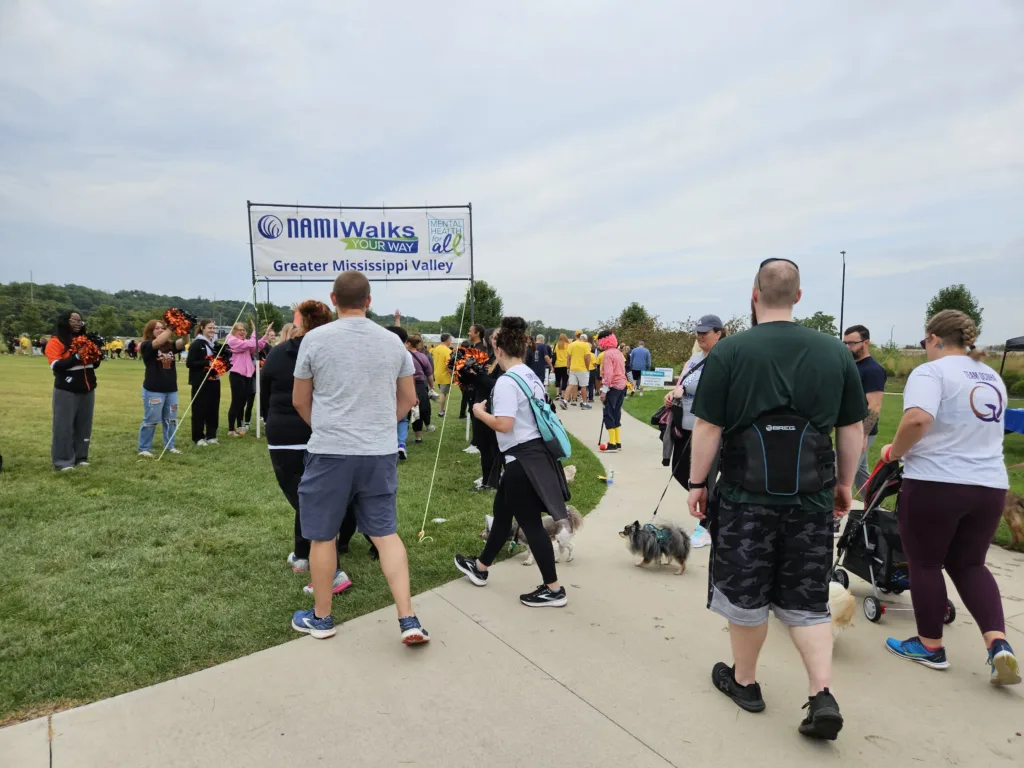
NAMI Greater Mississippi Valley: How a Small Team Achieves a Big Mission with Neon CRM
Throw Events People Rave About—And Rally Behind
Take a self-guided tour to learn how Neon One’s event management tools simplify your operations every step of the way so that you can focus on giving your supporters an unforgettable experience.
What are the best educational event ideas for nonprofits?
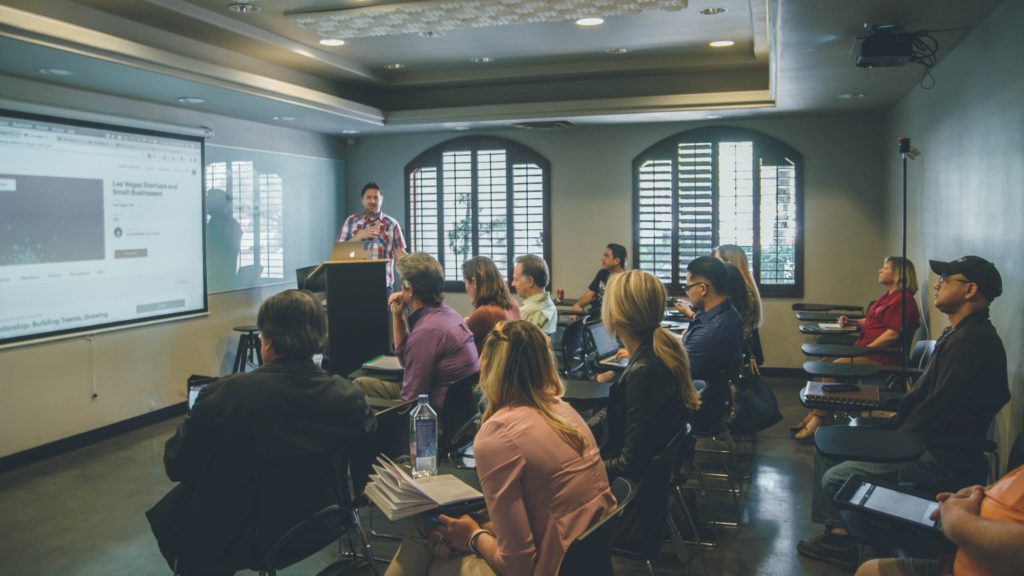
Educational events hosted by nonprofits are powerful tools for sharing knowledge, developing skills, and empowering communities. It’s also nice to hold events for your supporters that aren’t geared toward fundraising while also reminding them of all the good you do.
These events not only inform and educate, but they also inspire positive change. Let’s run through nine types of educational events that nonprofits can use to serve their local community.
| Event Idea | Effort Level | Best For | Quick Notes |
|---|---|---|---|
| Classes | Medium | Adult learners + repeat programming | Charge per session; easy to turn into a series |
| TEDx-Inspired Talk Series | Medium–High | Thought leadership + community storytelling | Speaker curation is key; great for content reuse |
| Health Screenings and Clinics | High | Health-focused nonprofits + community impact | Requires partners, volunteers, and clear protocols |
| Mental Health Workshops | Medium | Wellness-focused orgs + underserved communities | Trust-based programming with strong mission alignment |
| Health and Wellness Fairs | High | Large community outreach | Multi-partner event with sponsor opportunities |
| Panel Discussions and Forums | Medium | Advocacy and issue-based nonprofits | Encourages dialogue; works well hybrid or virtual |
| Children’s Workshops | Medium | Families + youth programs | Skill-building and mission education |
| Leadership Development Workshops | Medium | Emerging leaders + volunteers | High perceived value; repeatable curriculum |
| Book Club | Low | Relationship-building + mission discussion | Minimal cost; excellent retention tool |
| Life Skills “Bootcamp” | Medium | Workforce or youth-serving orgs | Practical outcomes; strong funder appeal |
42. Classes
Nonprofit organizations often offer classes that cover a wide array of topics, from literacy and language skills to financial literacy and job training. Arts-based nonprofits can employ local artists to teach any number of art forms; environmental nonprofits can teach gardening; food pantries can host cooking classes; the possibilities are endless! Depending on your costs and the needs of the community, classes can be an important revenue stream while also operating as the tip of your new donor acquisition spear.
How to get started: Survey your existing community before you design your curriculum. The classes that succeed are the ones people actually want, not the ones that seem like they ought to be popular. A two-question survey to your email list (“What would you want to learn?” + “What days/times work best?”) will save you significant wasted effort. Then start with one class as a pilot before you build a whole program.
Neon One Pro Tip: In 2026, many nonprofits offer classes in hybrid formats with automated reminders and follow-up emails that share resources or promote future sessions.Neon CRMhas great features to help nonprofits manage class registration and ticketing. The real secret sauce is treating every class attendee as a prospective supporter, and the data backs this up. According to Neon One’s Generosity Report, 22.69% of nonprofit event registrants also purchased a membership with the same organization—making every class a potential member pipeline.
43. TEDx-Inspired Talk Series
Host a nonprofit talk series—inspired by the TEDx format—featuring speakers who share inspiring stories, insights, and ideas. These talks should generally align with your mission, but they can take a broad view of that topic. Draw from a wide array of speakers, like your nonprofit’s executives and board members, your constituents, experts in the field, and community leaders.
How to get started: Curate your speakers before you set your date—the talk series lives or dies by the quality and variety of your lineup. Reach out to potential speakers with a specific topic invitation rather than an open-ended “would you like to speak?” A specific invitation (“Would you share your experience navigating food insecurity during the pandemic?”) is far easier to say yes to than a vague ask. Require all speakers to do a rehearsal run-through with a time check; talks that go over kill audience energy for everyone who follows.
Neon One Pro Tip: Talk series now often double as long-term content engines, with recorded sessions repurposed into videos, podcasts, or blog posts. Budget for a quality camera and sound setup from the start—it’s the difference between content you can use for years and content you’re embarrassed to share. When paired with light sponsorships, these events can extend their impact well beyond the night of the talk by igniting thought-provoking discussions and building your organization’s thought leadership profile.
44. Health Screenings and Clinics
Health screenings and clinics are vital educational events that provide access to essential health services. Nonprofits can collaborate with healthcare professionals and organizations to offer screenings, vaccinations, and health education, promoting wellness within the community.
How to get started: Your healthcare partners are your first call—local hospitals, federally qualified health centers, and nursing schools often have community health outreach programs and are actively looking for partner venues and organizations. Establish clear roles and responsibilities upfront: who’s providing the clinical staff, who handles supplies, who manages participant flow, and who owns the consent and privacy documentation. You do not want to sort these out day-of.
Neon One Pro Tip: Because these events involve sensitive information, thoughtful privacy planning is non-negotiable. Appointment scheduling in advance (rather than walk-in-only) dramatically reduces wait times and chaos. Design clear post-event follow-ups that connect participants to ongoing care resources—the screening is a first step, not an endpoint. If your nonprofit has a community space, hosting the event there builds an ongoing relationship. But even organizations without those resources can sponsor and provide logistical support.
45. Mental Health Workshops
There isn’t a community in the entire country that couldn’t use more mental health support. Mental health workshops address the critical need for awareness and support. These events provide tools and resources for managing stress, anxiety, and mental health challenges, fostering a more resilient and empathetic community.
How to get started: Partner with licensed mental health professionals for facilitation—this is not the event to DIY. Your role is logistics and promotion; the clinical expertise needs to come from credentialed practitioners. Choose topics with community-wide relevance (stress management, caregiver burnout, grief) rather than clinical specificity, so you reach the broadest possible audience and reduce the stigma barrier to attendance.
Neon One Pro Tip: Mental health workshops have evolved to include anonymous Q&A options and trauma-informed facilitation. These small choices can make a big difference in creating a safe, welcoming environment. Build in a clear resource list handout that participants can take home—and share it digitally via QR code at the event so people can access it privately. Follow-up resource sharing via email a few days after the event reinforces care without being intrusive.
46. Health and Wellness Fairs
Health and wellness fairs are comprehensive events that offer a range of health-related services and educational sessions. They cover topics like nutrition, fitness, preventive care, and holistic well-being.
How to get started: Recruit your partner organizations and service providers eight to twelve weeks out, then design your floor plan around participant flow—you want people to naturally move from booth to booth rather than clustering at the entrance or bypassing entire sections. Wellness fairs with 15+ booths need a clear map and signage; without it, attendees feel lost and leave earlier than you’d want.
Neon One Pro Tip: Wellness fairs now often focus on smoother logistics, using QR codes at booths for resource sharing and post-event follow-up emails. Be on the lookout for other local groups or schools that you can bring into the partnership to reach the populations that need this information most. A coalition of five organizations co-hosting a wellness fair draws five times the audience and costs each partner one-fifth the effort. That math should be in every planning conversation.
47. Panel Discussions and Forums
Panel discussions and forums bring experts together to address complex issues. These events foster informed conversations, highlight diverse perspectives, and promote community engagement on important topics related to your nonprofit’s mission. You can create a series of discussions and invite your supporters to attend, and you’ll want to find like-minded organizations in the community who can also promote the series to their audiences.
How to get started: Select a moderator before you select your panelists—a skilled moderator who can manage time, redirect tangents, and draw out quiet panelists is the difference between a great forum and an uncomfortable mess. Once you have your moderator, build a diverse panel with genuine disagreement among perspectives: a panel where everyone agrees makes for a very expensive group nod.
Neon One Pro Tip: Panels increasingly include pre-submitted questions and hybrid Q&A options to broaden participation. Collect questions digitally in advance—it raises the quality of questions dramatically and gives your moderator material to work with. Sharing a short resource roundup afterward keeps the conversation going long after the discussion ends and gives attendees a reason to stay connected to your organization.
48. Children’s Workshops
Similar to ongoing classes, one-off workshops tailored for children provide engaging learning experiences and create an opportunity to build bonds with local families. Workshops cover various subjects, from science and art to environmental conservation and character development, nurturing a love for learning in young minds.
How to get started: Age-appropriate design is everything. A workshop designed for 6-year-olds and 12-year-olds simultaneously serves neither group well. Pick a tight age range (5–7, 8–11, 12–14) and design your activities specifically for that range. Then recruit volunteers with experience working with that age group—not just willing volunteers, but experienced ones. Kids notice the difference, and so do the parents watching from the side of the room.
Neon One Pro Tip: Children’s workshops benefit from clearer photo consent practices and follow-up communication with families. Here’s the relationship-building move most organizations miss: send a follow-up to parents with a photo of their child at the workshop (with appropriate consent obtained at registration). That single touchpoint builds more goodwill than any fundraising letter you’ll ever send. Parents remember the people who made their kid feel special. And they give accordingly.
49. Leadership Development Workshops
Every community could use more leaders, and leadership development workshops equip individuals with the skills and knowledge needed to lead effectively. Nonprofits often organize these events to empower emerging leaders within the community, promoting positive change and social impact.
How to get started: Design your curriculum before you recruit participants—this is one event where showing up with vague intentions doesn’t work. Define the specific competencies you’re building (communication, conflict resolution, community organizing, public speaking) and structure each session around one. A cohort of 10–15 participants who commit to the full series will have a deeper experience than 40 people who drop in randomly.
Neon One Pro Tip: Leadership workshops are often organized as cohorts, with completion certificates or digital badges marking progress. That structure reinforces commitment and gives participants a clear sense of growth. A good starting point: a series geared toward high school students with an interest in fostering positive change. These participants become tomorrow’s advocates, donors, and board members—and they remember the organization that invested in them first.
50. Book Club
You can set up a book club with novels and/or nonfiction books that somehow relate to your mission. Host the club, provide refreshments, and maybe even work with a local bookshop for discounted copies. You may also want to charge a small membership fee to cover expenses, but getting people involved with your nonprofit is going to be the bigger win.
How to get started: Pick your first three books before you announce the club. Having a reading calendar creates commitment—people are far more likely to join a club with a clear schedule than one that says “we’ll figure out what to read together.” Then find a comfortable hosting space (your office, a coffee shop’s back room, a library meeting room) and keep the group small enough to have real conversation: 8–15 people is ideal.
Neon One Pro Tip: Book clubs have become more flexible with hybrid meeting options. Many nonprofits use these gatherings as a low-pressure way to introduce memberships or recurring giving. Don’t be afraid to get creative with book selection—picking a popular book that gets people excited will yield better conversations and engagement than a book that’s very aligned with your mission but carries that unmistakable whiff of “eating your vegetables.” The relationship matters more than the curriculum.
51. Life Skills “Bootcamp”
A hands-on workshop series covering essential life skills like budgeting, cooking, car maintenance, and job interview tips. Participants, especially young adults, gain practical knowledge that empowers them to navigate adulthood with confidence.
How to get started: Survey your target participants to identify the top five skills they most want to learn—then design your first bootcamp around those five, not around what you assume they need. Partner with local employers, community colleges, or vocational schools for facilitation: they often provide instructors for free or reduced cost in exchange for recruitment and community goodwill.
Neon One Pro Tip: Life skills bootcamps now commonly run as multi-session programs with tracked attendance and partner support from local employers or educators. Approach this as a workforce partnership event, not just a community service event. When local employers see your graduates landing jobs and managing their finances successfully, they become donors—and champions for your funding applications. Industry professionals and community mentors can be hosted in schools, libraries, or community centers, making this highly accessible for the populations that need it most.

What are the best nonprofit event ideas for adults?
The best nonprofit event ideas for adults—including annual galas, charity auctions, wine tastings, cooking classes, and casino nights—are designed to cultivate major donors and build corporate sponsor relationships in a premium social environment. These events typically generate your organization’s highest single-event revenue because they combine peer influence, entertainment, and mission storytelling for an audience with high giving capacity. The investment in a high-quality gala or auction pays dividends that compound year over year (how’s that for grown-up language). According to Neon One’s Generosity Report, donors who engage with events over five years give an average of $4,674 annually—more than 23 times the $195 average of first-year event attendees.
Nonprofit events aren’t just for families; there’s a wealth of exciting and engaging activities designed especially for grown-ups. These events offer a perfect blend of entertainment, socialization, and philanthropy. And if you’re creating an event for major donors, a classier, more adult affair might be just the thing to secure their support.
Let’s explore eleven fantastic nonprofit events tailored for grown-ups.
| Event Idea | Effort Level | Best For | Quick Notes |
|---|---|---|---|
| Annual Gala | High | Major donors + corporate sponsors | Flagship event; strongest revenue and stewardship opportunity |
| Auction | Medium–High | Broad donor base + sponsorships | Works standalone or paired with another event |
| Wine Tasting | Medium | Affluent supporters + social donors | Strong upsell potential; compliance planning required |
| Home Tours | Medium | Preservation-focused orgs + design enthusiasts | Exclusive access drives ticket demand |
| Cooking Classes | Medium | Food lovers + repeat attendees | Easy to turn into a recurring series |
| Paint-Along | Low–Medium | Social supporters + casual donors | Low-pressure, high-participation event |
| Silent Retreat | High | Wellness-focused donors | Premium pricing; limited capacity |
| Casino Night | Medium | Corporate groups + sponsorships | Gamified giving keeps energy high |
| Live Comedy Night | Low–Medium | Younger adults + first-time donors | Strong entertainment draw; easy ticketing |
| Murder Mystery Dinner Party | Medium | Experience-seeking supporters | Immersive format encourages group attendance |
| Charity Pub Crawl | Low–Medium | Young professionals | Multiple venues + peer fundraising add-ons |
52. Annual Gala
Ah, the old standby. Annual galas are usually sophisticated affairs, often featuring live music, fine dining, and a silent or live auction. Attendees dress to impress, all while supporting a nonprofit’s mission through ticket sales and generous donations. This is a key hub for developing major donors, and it can also be a good way to solicit corporate sponsors.
How to get started: Your venue and date lock everything else in—secure those at least 9–12 months out for a major gala. Then build your committee: you need a gala chair (ideally a prominent board member or major donor), a sponsor committee, and a logistics committee. The biggest mistake nonprofits make is treating the gala as a single event rather than a year-long cultivation opportunity. Your gala guests should feel nurtured all year—not just when you need them to buy a table.
Neon One Pro Tip: In 2026, many galas rely on mobile bidding, tableless checkout, and streamlined sponsor integrations to keep the evening moving smoothly. Here’s what separates a $50,000 gala from a $150,000 gala: the quality of your “impact moment.” One well-crafted, emotionally resonant story from a beneficiary, delivered at the peak of the evening just before the live auction, consistently drives your highest bids and your largest gifts. Don’t cut it for more entertainment. It is the entertainment.
53. Auction
Auctions are versatile fundraisers where attendees bid on items, experiences, or services donated by local businesses or individuals. They are often held as part of an annual gala, but they don’t have to be. Auctions have increasingly gone hybrid, with online bidding options, instant checkout, and clearer plans for item pickup or shipping. This flexibility helps maximize participation without turning the event into an administrative headache.
How to get started: A critical factor is getting awesome items to put up for auction—and that will involve working with your board and reaching out to local businesses and local offices of major corporations. Your auction items define your auction: 20 great items will outperform 50 mediocre ones every time. Curate for experiences (dinner with a local chef, a wine tour, front-row tickets) over stuff. Experiences get into bidding wars; stuff does not.
Neon One Pro Tip: For your next auction, consider a more casual, community-based affair. Pair it with a picnic or cook-off to create an awesome, family-friendly event. And regardless of format, close your mobile bidding before your live auction begins—running both simultaneously fragments your audience’s attention and kills the room energy you need for your highest bids.
54. Wine Tasting
Wine tasting events offer a delightful evening for oenophiles and newcomers alike. Participants savor different wines, often with expert guidance, while enjoying appetizers and raising funds through ticket sales and wine purchases. Much like annual galas and charity golf tournaments, wine tastings offer a prime opportunity to court major donors, so make sure your board is heavily involved.
How to get started: Partner with a local winery, wine shop, or sommelier before you plan anything else—they provide the product expertise and often a built-in audience of wine enthusiasts. Work with your partner to structure the tasting: four to six wines with a clear progression (light to bold, or a themed flight) keeps the evening focused and gives your sommelier something to build a narrative around. That narrative is what separates a forgettable tasting from an extraordinary experience.
Neon One Pro Tip: Wine tastings now often include cashless payments and clearer alcohol compliance planning. Here’s what most organizations don’t think about: designated drivers and non-drinkers. Offering a genuinely excellent non-alcoholic tasting flight (craft mocktails, artisan sparkling waters) signals that your event is welcoming to everyone—and it protects your organization from any liability concerns. These details help create a welcoming experience while keeping everyone safe.
55. Home Tours
Most communities sport homes that are historical landmarks, and home tours provide a peek into these beautifully designed homes, showcasing architecture, interior design, and landscaping. For environmental nonprofits, sponsoring a series of historic home tours can provide a fruitful opportunity to discuss the ways homes were built then, and the more environmentally friendly methods used to build homes now.
How to get started: Homeowner recruitment is your entire logistics challenge. Most homeowners who agree to open their homes for charity tours are motivated by a combination of community pride and personal recognition—acknowledge that, honor it, and make them feel like partners rather than props. Sign clear agreements covering liability, access hours, security arrangements, and exactly what parts of the home will be open. Then recruit two to three volunteers per home to manage crowd flow and answer questions.
Neon One Pro Tip: Home tours have benefited from timed ticketing, which helps protect homeowners from overwhelming crowds at peak times while giving guests a relaxed, unhurried experience. Mobile-friendly check-in eliminates the paper ticket problem and captures contact info for every attendee. These are exactly the kinds of design-and-history enthusiasts who become loyal recurring supporters—if you follow up thoughtfully after the event.
56. Cooking Classes
We covered classes more generally in the “Educational Events” section, but cooking classes deserve a special shout-out for their ability to create an engaging, adult-focused event. Attendees learn cooking techniques, savor delicious dishes, and often take home recipes, all while contributing to your nonprofit’s cause through class fees.
How to get started: Partner with a local chef or culinary instructor who has teaching experience—knowing how to cook and knowing how to teach cooking are very different skill sets. Structure the class so attendees are hands-on from the start: watching someone cook for 90 minutes is not a cooking class, it’s a cooking show. Keep groups to 12–20 so everyone gets meaningful interaction with the instructor and each other.
Neon One Pro Tip: Cooking classes increasingly offer add-ons like ingredient kits and hybrid demo options. Here’s the upsell that works: offer a “take-home kit” with the evening’s recipe ingredients and a note about your mission. It costs $5–$10 to assemble, sells for $20–$25, and gives attendees a reason to cook the dish again at home—and tell people why they know how. You can also offer family and kid-focused versions of the same event for an entirely different spin on a fun night out.
Planning a fundraising event is hard!
That’s why we created this fundraising event planner that walks you through the entire process, with expert insights and free resources to help you smash your goals.
57. Paint-Along
Paint-along events bring out the inner artist in attendees. Participants follow a local artist’s guidance to create their masterpieces while enjoying a fun, social atmosphere. On the logistical side, these events often include pre-registered supply kits, sponsor underwriting, and options to join virtually from home to help make them accessible.
How to get started: Source your supplies in bulk at least two weeks before the event—running out of a particular brush size at 7pm is a crisis you do not want. Structure the session so the first 20 minutes feel immediately successful for every skill level: pick a technique that produces visually gratifying results quickly, because attendees who feel good about their work 20 minutes in will stay engaged for the full two hours.
Neon One Pro Tip: If you really want to get the acrylics flowing, the best strategy is to pair your paint-along with wine. You can partner with a local winery or tell attendees to BYOB. The social atmosphere is the actual product here—the painting is just the excuse to gather. If you offer regular painting classes, this event gives you the perfect opportunity to advertise them to a room of people who are actively having a great time.
58. Silent Retreat
Offer a tranquil escape from the hustle and bustle of daily life by hosting a silent retreat. What better way to support a local nonprofit than by seeking serenity, reflection, and personal growth in a peaceful, no-phones-allowed environment? Look for local campsites and spas that would consider sponsoring the event. This is one type of event that can’t really be modulated to include kids, but that’s part of the appeal!
How to get started: Find your venue before anything else—the setting defines the experience for this event more than almost any other on this list. A retreat center, monastery, or secluded campsite works far better than a conference room with the lights dimmed. Work with a licensed mindfulness practitioner or retreat facilitator for programming—participants pay a premium for a silent retreat and expect professional facilitation.
Neon One Pro Tip: Silent retreats are typically planned with clearer waivers, accessibility accommodations, and tiered pricing options. Offer a sliding-scale pricing structure: a suggested full price, a supporter rate, and a scholarship rate for participants who couldn’t otherwise afford to attend. This model makes the event accessible without undermining your revenue—and it tells your community exactly what kind of organization you are.
59. Casino Night
Give your supporters a taste of that “Ocean’s Eleven” life with an event featuring classic casino games, live music, and a chance to win prizes—all for the benefit of your nonprofit! The most important thing we’re going to call out here is that there can be fairly strict local and state laws governing casino fundraisers (many nonprofits now frame casino nights as “casino-style” events).
You should definitely familiarize yourself with those—and talk to a lawyer—before you put this night on the schedule. Getting this right protects your organization while preserving the fun, high-energy atmosphere supporters expect.
How to get started: Before you book a single roulette wheel, research your state’s charitable gaming laws. Seriously—do this first, not after you’ve committed to a venue and a date. Many states require specific permits, licensed operators, and restrictions on how proceeds can be used. Once you’re clear on compliance, rent your equipment from a professional casino party company that knows your state’s requirements and can provide trained dealers.
Neon One Pro Tip: The revenue model for casino nights usually runs on play money: guests purchase chips that can be redeemed for prize entries or auction bids at the end of the evening. The gamified giving keeps energy high throughout the event and creates natural fundraising peaks (the prize drawing, the live auction) without an awkward hard ask. Layer in a sponsor “match” (e.g., “Every $500 in chips purchased tonight, [Sponsor] will donate $100”) and you’ve got a compelling reason for guests to keep buying chips.
60. Live Comedy Night
A laughter-filled night featuring stand-up comedians, improv performances, or comedic storytelling—all in support of a nonprofit cause. Tickets and concession sales contribute to fundraising, and comedians can be local talent or well-known performers donating their time. The relaxed, lighthearted atmosphere makes it an excellent event for attracting new supporters.
How to get started: Scout your comedians by attending a local open-mic night before you book anyone. A comedian who’s funny in a small venue with a forgiving crowd may not be the right choice for your fundraiser audience. You’re looking for someone who can read a room, pivot quickly, and be genuinely warm between sets when your ED gets up to say a word about your mission. Book your headliner first, then fill out the lineup.
Neon One Pro Tip: On your organization’s end, comedy nights can be a great vehicle for creating promotional content, with short clips shared afterward to build excitement for future events. The funniest moment of the night—the one where the entire room lost it—is your best social media asset. Assign someone to record the event specifically for that clip. Pairing ticket sales with sponsor support can also help offset performer and venue costs and ensure your mission gets visibility throughout the evening.
61. Murder Mystery Dinner Party
An interactive dinner theater experience where guests play characters and work together to solve a fictional crime. Attendees dress in theme-appropriate costumes, enjoy a multi-course meal, and receive clues throughout the evening.
How to get started: Your two options are: buy a commercial mystery kit and run it yourself, or hire a professional murder mystery company to facilitate. The professional route costs more but eliminates the significant amount of preparation, acting, and improvisation required to run a good mystery. For a first-time event, the professional company is almost always worth the investment.
Neon One Pro Tip: The event can include tiered tickets, mobile upsells, and optional role upgrades that deepen participation. Here’s what actually drives ticket sales for this format: group purchases. Market it explicitly to friend groups, coworkers, and date nights—people who already have a “we should do something fun” social dynamic are your ideal audience. Table packages (6–8 seats with a named table) sell better than individual tickets and make your logistics easier. Give each table a group character identity for extra immersion.
62. Charity Pub Crawl
Hook up with local pubs and microbrewers to create a fun, slightly boozy fundraiser that combines socializing and philanthropy. As your participants visit local pubs or bars, enjoying drinks, camaraderie, and sometimes themed costumes, make sure you have procedures and staff in place in case anyone gets overserved—and make double sure that nobody’s driving. If you’re more interested in doing a standalone brewery fundraiser, check out our article for tons of great tips.
How to get started: Negotiate a per-participant donation with each venue (typically $5–$10 per registered participant per stop) before you set your ticket price. That gives you a guaranteed revenue floor regardless of what people drink. Confirm with each venue whether they’ll honor a “show your wristband” discount or provide a signature drink—these details make the experience feel curated rather than random, and they give participants reasons to complete the full crawl.
Neon One Pro Tip: Make double sure that all venues on your route offer substantive non-alcoholic options for designated drivers and other folks who want to support your cause without imbibing. The pub crawl should feel inclusive for everyone—not just the beer drinkers. Add a peer-to-peer fundraising element where registered participants raise money from their networks before the event: some of your best fundraisers will be the enthusiastic friends who can’t attend but want to sponsor their friends’ evening.
What are the best nonprofit event ideas for kids and families?
Family-friendly events are among the most reliable ways for nonprofits to build visibility and loyalty in their communities. When parents bring their kids to your talent show, science fair, or Easter egg hunt, they’re not just attendees—they’re future donors and volunteers discovering your mission through a positive, memorable experience.
Nonprofit events designed for kids and families offer a fantastic way to bring generations together, promote community bonding, and instill a sense of philanthropy in young hearts.
These events are not just entertaining but also provide opportunities for learning and making lasting memories.
Also, let’s be honest, they give tired parents something to take their kids to where they will be safe, have fun, and give their folks a moment or two to sit down and catch their breath. That’s a great way to demonstrate value in your community. No joke!
With all that said, here are 13 exciting nonprofit events tailored for kids and families.
| Event Idea | Effort Level | Best For | Quick Notes |
|---|---|---|---|
| Kids Talent Show | Medium | Families + youth programs | Builds community pride; easy ticketed entry |
| Science Fair | Medium | Education- and STEM-focused nonprofits | Hands-on learning with strong mission tie-in |
| Youth Sports Tournament | Medium | Active families + school partnerships | Built-in teams and spectators |
| Haunted House | High | Seasonal fundraising + older kids | Strong attendance potential; requires safety planning |
| Family Fun Days | Medium | Broad community outreach | Flexible activities; great first-touch event |
| Board Game Extravaganza | Low–Medium | All-ages families | Simple setup with long dwell time |
| Escape Rooms | Medium | Teens + experience-driven families | High engagement; best with local partners |
| Holiday Parties | Low–Medium | Seasonal stewardship + family audiences | Works well as a year-end touchpoint |
| Trunk-or-Treat | Low | Safe, family-friendly Halloween events | Very low lift with high turnout |
| Scavenger Hunt | Low–Medium | Youth groups + families | Gamified engagement; easy to scale |
| Animal Encounter Day | Medium | Animal-focused orgs + families | Educational and highly memorable |
| DIY Toy Workshop | Low–Medium | Younger kids + creative learning | Hands-on, materials-based fees |
| Easter Egg Hunts | Low | Springtime family engagement | Easy, popular, and repeatable |
63. Kids Talent Show
Give young performers a chance to shine by hosting a youth talent show. Children can showcase their skills in singing, dancing, magic, or other talents as families come together to cheer them on. This is an opportunity to build bonds throughout the community and enroll children from families outside your normal supporter base.
How to get started: Launch your audition or registration process four to six weeks before the event—not two. Act slots fill up fast, and families need time to prepare their child’s performance. Set a clear run-of-show maximum (90–120 minutes is ideal for family audiences) and communicate time limits per act upfront. Yes, some parents will be annoyed their child only gets four minutes. But you’ll be more annoyed if your show runs three hours and the audience trickles out before the finale.
Neon One Pro Tip: In recent years, talent shows have become easier to manage with digital signups and clear run-of-show planning. When parents and kids can relive the moment—a shareable highlight video or even just a photo from the show—the event’s impact lasts far beyond the final applause. Reach out to local schools and youth groups for recruitment, and make sure you have a solid emcee: the host who connects the acts, keeps the energy up during transitions, and genuinely celebrates every performer is the secret weapon of a great talent show.
64. Science Fair
Science fairs encourage young minds to explore the wonders of science. Kids and their families engage in hands-on experiments and learn about scientific concepts, all while having fun. If your mission is science-focused, you can create a theme for your event that speaks to that cause and teaches kids even more about the important work your organization does.
How to get started: Partner with a local school or STEM program to co-host, which immediately solves your participant recruitment problem and gives you a built-in audience (every family with a kid in the fair). Provide a clear project brief with safety guidelines and judge criteria well in advance. Recruit judges from local STEM industries—engineers, scientists, and researchers often love engaging with community youth programs, and their presence signals to families that this is a serious, credibility-building event.
Neon One Pro Tip: Science fairs increasingly blend hands-on learning with digital elements like online project galleries. These touches help curious minds keep exploring and give families a reason to stay engaged after the event ends. And here’s a stewardship opportunity most nonprofits miss: send families a follow-up email with resources related to their child’s project topic. A family whose kid did a project on water conservation and receives a thoughtful email about your organization’s environmental programs is primed for a deeper relationship.
65. Youth Sports Tournament
We mentioned holding an adult sports tournament at the beginning of this article—now we’re turning to the youths. Bring young athletes and families together for a day of friendly competition that promotes physical activity, teamwork, and sportsmanship. Most communities are absolutely lousy with youth sports leagues, which means a ton of opportunities to recruit teams and build relationships.
How to get started: Contact youth sports league coordinators directly—not just individual parents—at least eight weeks out. League coordinators can register entire teams at once, which dramatically reduces your registration management overhead. Set bracket sizes based on your venue capacity, not your optimism about how many teams might show up. A well-run 8-team tournament is better than a chaotic 20-team disaster.
Neon One Pro Tip: Youth tournaments now often rely on mobile schedules and digital brackets. Here’s the family engagement move: set up a branded photo station at the venue and invite families to share their photos with your hashtag. The parents at youth sports events are enthusiastic content creators who will happily amplify your organization’s reach to networks you’d otherwise never touch. Keep everyone informed and reduce day-of confusion, and families can focus on what they came for: cheering from the sidelines.
66. Haunted House
Creating a haunted house for Halloween is going to be fun, but it’s also going to require an understanding of your audience. Are you going for little kids, where some skinned-grape “eyeballs” and rubber werewolf masks will suffice, or are you going for older audiences who will want real working chainsaws and comic-accurate pentagrams?
The latter will make you an absolute legend if you pull it off, but the former is going to be much, much easier. Either way, haunted houses require extra planning in 2026, with clearer safety protocols and timed entry to manage crowds. A little structure ensures the experience is thrilling without crossing into overwhelming territory.
How to get started: Decide on your scare intensity level before you recruit volunteers or design a single scene—it determines everything from your casting to your marketing to your age recommendations. For family-friendly haunted houses (the easier, safer, and often more profitable option), a two-to-three room walk-through with themed costumes and jump scares at kid level works perfectly. For higher-intensity events, budget for professional props, a detailed safety walkthrough with all actors, and clear “safe word” protocols.
Neon One Pro Tip: Timed entry windows are non-negotiable for haunted houses—don’t let people stack up in a line that defeats the atmosphere you’ve built. Sell tickets in 15-minute windows and cap each group at 4–6 people for the best experience. Add a “family photo opportunity” at the exit with a branded backdrop: it’s a revenue driver (charge $5 for the photo), a social media amplifier, and a final touchpoint before families leave.
67. Family Fun Days
Family fun days offer a wide range of activities, from games and crafts to face painting and entertainment. Families can bond, play, and enjoy quality time together. The great thing about a family fun day is that it will automatically appeal to families in your area while providing a lot of flexibility in terms of what you can offer.
How to get started: Design your activity stations so each one takes 10–15 minutes and can accommodate a family joining mid-activity—nothing is more demoralizing for a family arriving at 1pm than feeling like they’ve missed the whole thing. Space activities throughout the day with staggered starting times so there’s always something new to try. Consider making this a non-ticketed event and instead use it as a chance to meet new faces and start creating community bonds.
Neon One Pro Tip: Family fun days work best when activities are spread out and easy to drop into, rather than tightly scheduled. This lets families participate at their own pace while giving your nonprofit plenty of chances to connect. Have every activity station staffed by someone who can naturally weave in a sentence or two about your organization’s work—not in a salesy way, but in the way you’d naturally talk about what you do when meeting someone new at a neighborhood event.
68. Board Game Extravaganza
Organize an event featuring popular board games and charge an entry fee. Board game events have grown more inclusive by offering a mix of classic, cooperative, and quick-play games. Providing clear age recommendations helps families find the right table without frustration.
For the little kids, you can have Candyland. For the older ones, you can have Clue. For the adults with kids, you can have Monopoly. And for the adults with no kids (and therefore no time constraints), you can have Settlers of Catan.
How to get started: Curate your game library by age and complexity before the event, and create a simple laminated table guide for each game so players don’t need to read a rulebook from scratch. Recruit a few board game enthusiasts as “game masters” who can teach any game in the collection in under five minutes—they’re the key to keeping tables active and turning curious browsers into committed players.
Neon One Pro Tip: The board game extravaganza has an unusual superpower: long dwell time. Families who start a game of Settlers of Catan at 6pm are still there at 9pm—and every extra hour they spend in your space is an opportunity for connection. Use that time: circulate with information about your programs, have a visible donation station, and run a raffle drawing at 8pm that gives people a reason to stay engaged toward the end.
69. Escape Rooms
Escape rooms challenge families to solve puzzles and mysteries as a team. These events promote critical thinking and teamwork while offering an exciting and immersive experience.
How to get started: Unless you have a true puzzle head on your staff, partner with a local escape room provider to run this event with clear booking windows and group size limits. Many escape room companies offer “pop-up” packages for events. If you’re designing your own room, start simple: three to four interconnected puzzles that take 45–60 minutes to solve is achievable and satisfying. Don’t try to build a commercial-grade experience your first time.
Neon One Pro Tip: The mission tie-in is where escape rooms for nonprofits get fun. Think about how your organization’s work can become the narrative frame: “You’re trying to locate a missing shipment of school supplies” for an education nonprofit, or “Help us restore the polluted river before time runs out” for an environmental org. The puzzle becomes a mission storytelling moment—and participants emerge from the room with a visceral sense of what it feels like to work toward your cause.
70. Holiday Parties
Celebrate one of the many festive seasons that happen throughout the year with a holiday party featuring themed activities, games, and treats. End-of-year holiday parties now often double as soft on-ramps to year-end giving, with low-pressure donation moments and simple follow-up communication.
How to get started: Don’t think only about the Halloween/Thanksgiving/Christmas corridor—look for other chances to celebrate: Valentine’s Day, Independence Day, Veterans Day, Earth Day, and Labor Day all provide real opportunities for the right nonprofit. Pick the holiday that resonates most with your mission and your community, then build programming that honors it authentically rather than generically.
Neon One Pro Tip: Here’s the holiday party move most nonprofits miss: use the event as a relationship touchpoint, not a fundraising event. No ask, no auction, no ticket tiers—just a genuinely warm, well-organized celebration that makes attendees feel appreciated. Send a thoughtful follow-up email three days later with a mission update and a year-end giving link. The conversion rate from a delighted holiday party attendee is dramatically higher than a cold outreach.
71. Trunk-or-Treat
Trunk-or-treat events offer a safe and fun alternative to traditional Halloween trick-or-treating—and they have really grown in popularity in recent years thanks to their simplicity and sense of safety. They’re pretty simple: Families decorate car trunks and distribute treats to children in a controlled environment.
They’re a fairly low lift and are almost guaranteed to attract families from your neighborhood. If your nonprofit has a parking lot, you should seriously consider hosting one.
How to get started: Recruit your trunk participants (the people decorating cars) at least three weeks in advance—they need time to prepare their themes and source their decorations. Require a minimum candy contribution per trunk so children have a consistent experience across the event. Designate clear traffic flow through the parking lot (one-way in, one-way out) and station volunteers at the entrance and exit to manage safety.
Neon One Pro Tip: Clear traffic flow planning and volunteer coordination go a long way toward keeping the evening fun and stress-free. Here’s how to make this event do more work for you: set up a short activity station at the end of the candy loop where families can learn about your organization in a fun, low-pressure way. A photo prop, a mission activity for kids, or a simple raffle entry turns the tail-end of the event into a natural relationship-building moment—and gives families a reason to linger after the candy run.
72. Scavenger Hunt
Create a scavenger hunt in a local park, then charge for participation and offer prizes. If you want to be even more ambitious, you can create a scavenger hunt that uses QR codes or mobile-friendly clues and goes all over town, thanks to partnerships with local businesses that let their stores host some of the items.
How to get started: Design your clue trail before you map your geography—the puzzles and narrative should drive the route, not the other way around. Test your clue trail with a real person who isn’t on your team at least two weeks before the event; what seems obvious to you will not be obvious to participants, and there’s nothing more demoralizing than a scavenger hunt with an unsolvable clue.
Neon One Pro Tip: This is an event that will be fairly cheap to throw relative to a big gala, so really explore how you can use it to get people educated on (and involved with) your mission. Each clue stop is a mission storytelling moment: place interpretive content about your work at each location, give participants something to discover about your programs, and make the prize relevant to your cause. A scavenger hunt that teaches participants about your mission while entertaining them is a fundamentally different (and better) event than one that’s just a fun run-around.
73. Animal Encounter Day
A family-friendly event where children can meet and learn about various animals through hands-on interactions and expert presentations. Local zoos, rescues, or wildlife organizations bring animals and educate attendees about conservation and responsible pet ownership. Additional activities like face painting, animal-themed crafts, and scavenger hunts can enhance the experience.
How to get started: Contact your local zoo, wildlife rehabilitation center, or humane society to discuss a partnership. Be specific about what kind of animal experience you’re offering—hands-on touching stations, educational presentations, and observe-only exhibits all require different logistical planning and safety protocols. Your partner organization will guide you on what’s feasible.
Neon One Pro Tip: Animal encounter days now often include clearer partner guidelines, photo consent planning, and structured rotations between stations. These details help protect both animals and attendees while keeping the experience engaging. Here’s the magic of this event: children who have a memorable, positive animal encounter remember it for years—and so do their parents. That emotional memory is the foundation of a long-term relationship with your organization. Follow up with a thoughtful email, a photo if you captured one, and an invitation to your next event.
74. DIY Toy Workshop
Kids create their own stuffed animals, wooden toys, or LEGO models to take home, encouraging creativity and hands-on learning. Workshop stations offer different craft options, with volunteers guiding children through the process. Entry fees cover materials and go toward supporting the nonprofit’s cause.
How to get started: Choose your kit type based on your volunteer capacity, not your ambition. Stuffed animal kits (think Build-A-Bear style) are forgiving and work for ages 4–10. Wooden toy kits require more precise cuts and guidance. LEGO kits require someone to help when kids inevitably lose pieces or get frustrated mid-build. Whatever you choose, pre-assemble your kits and verify you have enough materials before the day of the event—running out of stuffing mid-workshop is a memorable experience for all the wrong reasons.
Neon One Pro Tip: Toy workshops benefit from pre-registration and clear material planning. When logistics are dialed in, the creativity can take center stage. This event is also a natural partnership opportunity: reach out to craft retailers, toy companies, or maker spaces for in-kind material donations. Many will donate supplies in exchange for visible recognition, which reduces your costs significantly and lets you put more dollars toward your mission.
75. Easter Egg Hunts
This is another event that’s beloved by families and is fairly easy to pull off. All you need is a bunch of colored eggs and/or plastic eggs filled with candy, and a nice open area to hide them in. It won’t cost much to put on and will offer a prime opportunity to engage with families in your area.
How to get started: Secure your outdoor space well ahead of time—popular parks and school grounds book up for spring events faster than you’d expect. Then set your age divisions before you hide a single egg: a unified egg hunt where five-year-olds and ten-year-olds compete in the same field is a recipe for tears. Separate divisions (typically 2–4, 5–7, 8–12) make everyone feel successful and are worth the extra logistical effort.
Neon One Pro Tip: Egg hunts are smoother when broken into age-specific start times and clearly marked zones. That structure helps avoid chaos—and ensures every child leaves with a smile (and at least a few eggs). Here’s how to make this simple event do real relationship work: include a small card inside a subset of eggs with a QR code linking to a short video about your organization’s work. Kids will love the “mystery egg,” and parents will actually watch the video. It’s a 30-second mission pitch delivered in the most charming wrapper imaginable.
Not done looking for potential fundraising events? Then keep the party going with this list of 118 (more!) fundraising ideas for nonprofits. Happy hunting!
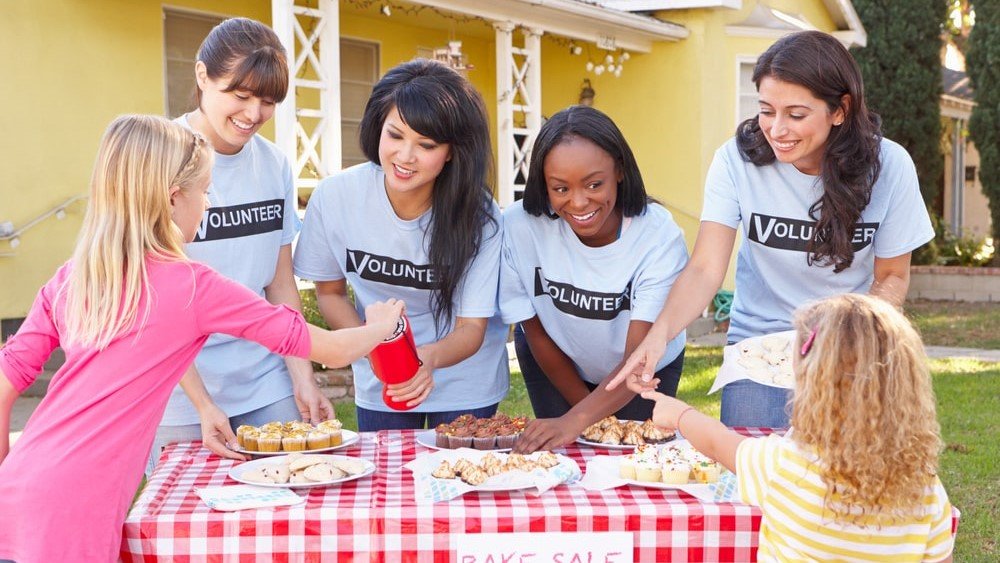
Nonprofit Event FAQs
Annual galas and charity golf tournaments are typically the most profitable nonprofit fundraising events on a gross revenue basis, because they attract high-capacity major donors and corporate sponsorships. Peer-to-peer (P2P) fundraising events like charity 5Ks, bike rides, and pledge-a-thons often produce the strongest return on investment (ROI), because participants do the fundraising on your behalf at minimal cost to the organization. For example, Chicago Run grew their P2P marathon fundraising from $30,000 to $150,000 over four years using Neon One’s peer-to-peer tools. For most nonprofits, the right answer depends on your donor base: galas for major donor cultivation, P2P events for broad community reach and acquiring new donors.
Planning a successful event with limited funds requires focusing on community-driven activities with low overhead, such as a “Trunk-or-Treat,” a neighborhood bake sale, or a community clean-up day. You can drastically reduce costs by securing in-kind sponsorships where local businesses donate venues or catering in exchange for marketing exposure. Additionally, leveraging your volunteer base for logistics and utilizing online fundraising platforms to manage digital registrations will eliminate the need for expensive event staff and printed materials.
For major events like a Gala or a large-scale Walkathon, you should begin planning 6 to 12 months in advance. Smaller events, such as a community workshop or a bake sale, usually require 2 to 3 months of preparation. Utilizing a nonprofit event planning checklist is critical to staying on track.
At minimum, you need a platform that handles online registration, payment processing, and attendee communication. For peer-to-peer events, you’ll want a platform with personal fundraising pages and milestone tracking. For galas and auctions, mobile bidding and tableless checkout are no longer optional—they’re expected. Neon CRM and Neon Fundraise are built to handle all of these use cases, with your donor data unified in one place so every event touchpoint feeds your long-term relationship strategy.
SEO helps your event pages appear when local supporters search for terms like “charity events near me” or “volunteer opportunities.” By optimizing your event descriptions with relevant keywords and structured data, you can increase ticket sales and reach a wider audience beyond your existing donor database.
The best nonprofit events do three things simultaneously: raise money, deepen relationships with existing supporters, and introduce your organization to new audiences. An event that raises $20,000 and adds 50 new people to your donor pipeline is more valuable than an event that raises $25,000 from the same 100 people you already know. Design your events with all three goals in mind—and measure all three, not just the revenue.
Yes—and the impact compounds over time. According to Neon One’s Generosity Report, which analyzed data from 99,522 donors across Neon CRM client organizations, donors who registered for at least one event gave an average of $4,674 annually by year five—compared to $195 for first-year event donors. That’s a 2,291% increase over five years. Importantly, 18.20% of the donors in this study registered for at least one event, making event registrants the largest single cohort in the dataset. Events are not just fundraising occasions. They are the most reliably correlation-positive activity for long-term donor retention and giving growth that Neon One’s data has identified.
In a traditional nonprofit fundraising event—like a gala, auction, or pancake breakfast—the organization raises money directly from attendees. In a peer-to-peer (P2P) fundraising event—like a charity 5K, bike ride, dance-a-thon, or pledge-a-thon—individual participants create personal fundraising pages and solicit donations from their own networks on the organization’s behalf. P2P events dramatically expand your fundraising reach because participants act as distributed fundraisers. They also tend to acquire new donors who would never encounter your organization otherwise. The tradeoff: P2P events require a dedicated peer-to-peer fundraising platform with personal fundraising pages, milestone tracking, and automated donor communication to run effectively at scale.
Use This Checklist To Plan Your Next Event
One more thing worth knowing before you start planning: the events on this list aren’t just fundraising tactics. They’re relationship-building investments.
Neon One’s Generosity Report found that event participation is the most reliable predictor of long-term donor giving growth in the data, with five-year event attendees giving 2,291% more than first-year attendees.
That’s not a reason to make your events feel transactional. It’s a reason to make them unforgettable.
Phew! That was a lot of events, right? Luckily, once you’ve picked the right event for your nonprofit, all that’s left to do is… well… everything.
Here’s the good news! We have a Nonprofit Event Planning Checklist that walks you through every primary phase of the process. With this timeline in hand, you can rest assured that nothing major will fall through the cracks (the minor stuff, however, is up to you).
It’s free! Download the checklist now and get started in planning your next big event. Good luck!