
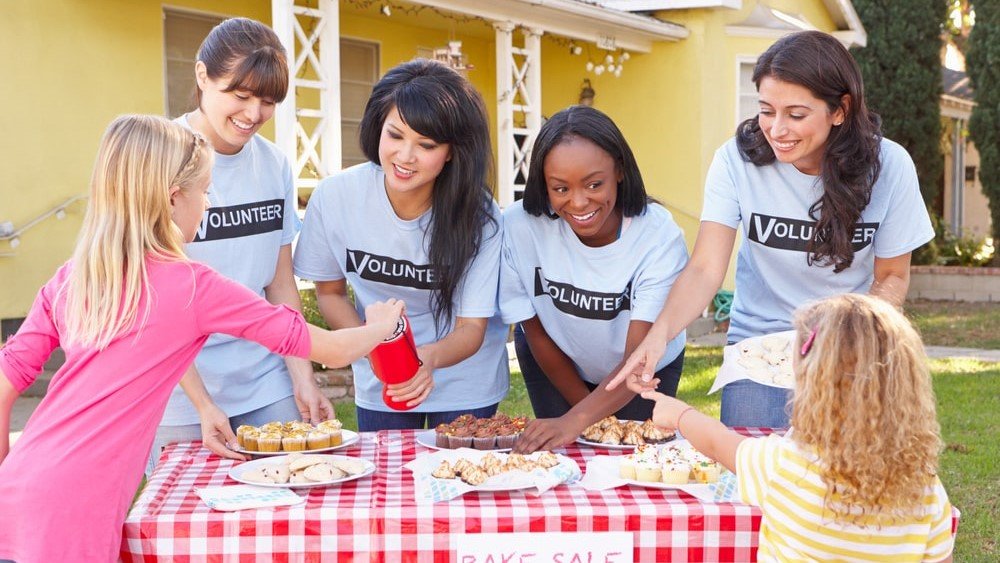
— KEY TAKEAWAYS
Fundraising events go beyond generating immediate revenue; they serve as vital community-building opportunities that deepen your supporters’ long-term connection to your cause.
- Selecting the best fundraising idea requires aligning the event format—like high-revenue galas or low-cost potlucks—with your specific financial goals, staff capacity, and target audience.
- Virtual and hybrid campaigns offer flexible, low-overhead methods to engage donors online while expanding your reach beyond local borders.
- Participation in events is strongly correlated with increased generosity over time. By their fifth year of involvement, donors who register for events give 54.04% more than the average donor. Neon One, The Generosity Report.
- To start, define your primary objective—such as acquiring new community members, engaging families, or leveraging peer-to-peer advocacy—and select a fundraiser format that matches that goal.
Coming up with fresh fundraising ideas for nonprofits isn’t always easy. After years of staging events for your org, you may feel like there’s nothing you haven’t covered, from art auctions to wine tastings to trivia nights. But there’s always a new twist on an old idea—or even an old idea you haven’t thought of before!
And hosting fundraisers is important! Not just for the revenue you’re bringing in today, but the relationships you’re building at your event and the revenue that can bring in tomorrow (and next year, and the year after that).
In fact, according to Neon One’s Generosity Report, supporters who attend a nonprofit’s events give more than those who don’t. And the effect only grows the longer they stick around. By year five, event registrants were giving 54% above the standard benchmark. That’s huge!

Looking for Better, Safer Ways to Use AI?
The AI Xchange, by Neon One, is a resource hub that helps you use AI efficiently and safely—so you save time without risking donor trust.
So, back to the question at hand: Which fundraiser is the one that’s gonna make your donors jump for joy? We don’t know! But we can help find it. That’s why we created this list of 118 fundraising ideas that work for nonprofits, associations, and any other org that’s looking for a financial boost.
That’s a lot of fundraising ideas! So we broke them down into the following categories. Just click the link to skip to that section. Enjoy, and good luck with your fundraiser!
- Best Fundraising Event Ideas for Nonprofits
- Seasonal & Holiday Ideas
- Virtual Ideas
- Creative Ideas
- Ideas for Schools
- Ideas for Kids & Families
- Ideas for Grown-Ups
Resource: Plan Your Next Fundraiser With Confidence
Get the Nonprofit Event Planning Checklist and make your next event easier to execute—from budget to logistics, day-of, and (important!) post-event follow-up.
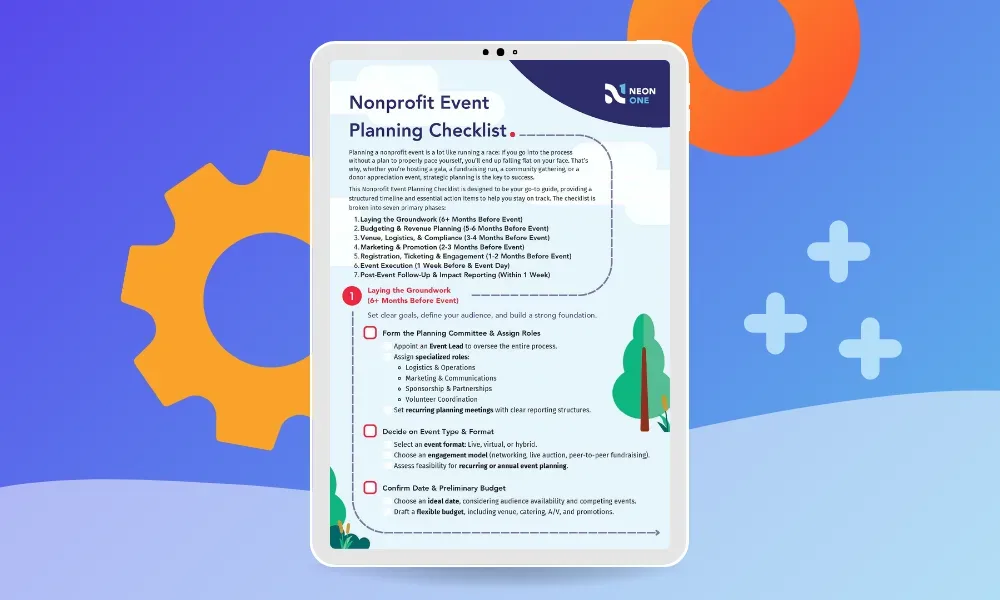
The Nonprofit Event Planning Checklist
What Are The Best Fundraising Event Ideas for Nonprofits

We’ve labeled the following 19 fundraising event ideas as “the best” because they’re go-to nonprofit fundraising staples. However, you’ll find that what makes a given fundraiser the “best” one for your nonprofit will depend on your mission, your donors, and your staff capacity, etc. These are just ideas, after all, you’ll figure out what works best for you!
- Auctions
- Galas
- Raffles
- Pancake Breakfasts
- 5K Runs & Walkathons
- Benefit Concert
- Karaoke
- Trivia Nights
- Yard Sales
- Theater Night
- Potlucks
- Casino Nights
- Exercise Class
- Bike Races
- Car Show
- Book Sales
- Exercise Competitions
- Pet Adoption Events
- Hybrid Supply/Food Drives
For those in a rush, here’s a quick summary of the different kinds of goals these fundraisers support:
Quick Guide: Choosing the Best Fundraising Event for Your Nonprofit
| If Your Goal Is… | Start With These Ideas | Why They Work Best | Estimated Startup Cost | Org Size Fit |
| Raise the most money from fewer donors | Galas, Auctions, Casino Nights | High-ticket pricing, sponsorships, and competitive giving maximize revenue per attendee. | High (Requires venue, catering, and significant upfront capital) | Mid / Large |
| Run a proven, repeatable annual fundraiser | Auctions, 5K Runs & Walkathons, Galas | Familiar formats donors expect and plan for year after year. | High (Requires substantial logistics, permits, and venue rentals) | Mid / Large |
| Keep costs low and effort manageable | Pancake Breakfasts, Potlucks, Yard Sales, Book Sales | Minimal overhead, volunteer-powered, and easy to organize. | Low (Minimal upfront investment; relies on in-kind donations) | Any |
| Attract new donors and community members | Trivia Nights, Karaoke, Benefit Concerts, Theater Night | Social, approachable events that appeal beyond your core supporters. | Medium (Requires booking entertainment, A/V equipment, or a modest venue) | Any |
| Engage families and all ages | Pancake Breakfasts, Yard Sales, Pet Adoption Events | Inclusive formats that feel welcoming and mission-aligned. | Low (Basic supplies and volunteer coordination are the primary needs) | Any |
| Leverage peer-to-peer fundraising | 5K Runs & Walkathons, Bike Races, Exercise Competitions | Participants fundraise on your behalf, expanding reach without expanding staff workload. | Medium (Requires digital software tools, marketing materials, and digital toolkits) | Mid / Large |
| Tap into niche passions or hobbies | Car Shows, Book Sales, Exercise Classes | Built-in audiences with high enthusiasm and willingness to participate. | Low (Utilizes existing community assets or donated items with minimal overhead) | Any |
| Combine in-person impact with online giving | Hybrid Supply/Food Drives, Auctions (Virtual/Hybrid) | Physical participation plus digital donations fills supply gaps and boosts flexibility. | Medium (Requires investment in digital bidding/streaming software and physical storage) | Mid / Large |
| Build community, not just revenue | Potlucks, Trivia Nights, Pet Adoption Events | Strong relationship-building and donor affinity over time. | Low (Highly reliant on community participation and low-cost venues) | Any |
| Test a new idea without big risk | Raffles, Karaoke, Trivia Nights | Fast to launch, flexible formats, and easy to scale up if successful. | Low (Fast to execute using free or low-cost digital tools and minimal setup) | Any |
Now, here’s a little bit more on each option!
1. Auctions
Auctions are a major source of funding for a lot of nonprofit associations because they engage the competitive spirits of supporters. Of course, they’re also challenging to manage as you’re handling the donations of items on one end and funds on the other. Using a theme can make this a little easier. Here are some to consider:
- Art Auctions: Art auctions serve a valuable purpose because they don’t just raise funds, they also spread awareness and appreciation of the works being auctioned.
- Silent: Auctions Silent auctions take the anxiety out of participating for some by allowing them to write their bids down on their own time. It’s also much easier to track the hammer price, as it’s written down by the bidder.
- Vacation/Trip Auctions: Vacation/trip auctions can make for a great capstone at other events. For instance, a nonprofit may hold a gala for fundraising and, during that gala also allow individuals to bid on a vacation package and announce the winner at the end of the evening.
- Virtual Auctions: Online auctions are a category in and of themselves, allowing attendees to view items remotely using live streaming or images while they place online bids. Virtual events are much easier to run as they create a complete digital footprint in real-time.
- Hybrid Auctions: A hybrid auction takes the tools used in the virtual environment and brings them to the physical world. For example, instead of using sheets of paper to track bids at a silent auction, users could enter their bids on a tablet or via an app on their phone. Touchless opportunities are always appreciated in a post-COVID-19 world!
Works best when: You have an established donor base with giving capacity above $500, at least 4–6 months of lead time, and volunteers or board members who can solicit donated items—the quality of what’s on the table directly determines your ceiling.
Not a fit when: Your active donor list is under 100 people, or your team is already stretched thin; item procurement and bid management are both real operational lifts, and underdelivering on either will hurt the event’s reputation with donors you want to keep.
If you want to learn a bit more about hosting a silent auction, check out our blog post on the eight steps to running a stellar silent auction event.
2. Galas
For some organizations, an annual gala is their primary fundraising event for the year and the point where they bring in most of their revenue. While a gala may reference just about any type of festive celebration, it’s most often used to refer to more extravagant events that feature entertainment, hors d’oeuvres, meals, open bars, and auctions.
As galas are often expensive, it’s critical to carefully curate your donor list to ensure the best results.
Works best when: Your organization has a mid-to-large donor base, access to a venue sponsor or underwriter to offset upfront costs, and a mission story compelling enough to anchor a live appeal—galas that raise the most money are almost always the ones where the program makes donors feel something before they’re asked to give.
Not a fit when: Your org has fewer than 100 active donors, no existing relationships with corporate sponsors, or less than 4–6 months of staff and volunteer capacity to plan logistics; the Generosity Report data shows event registrants don’t meaningfully outgive the benchmark until year three, so galas pay off most for organizations already running them annually.
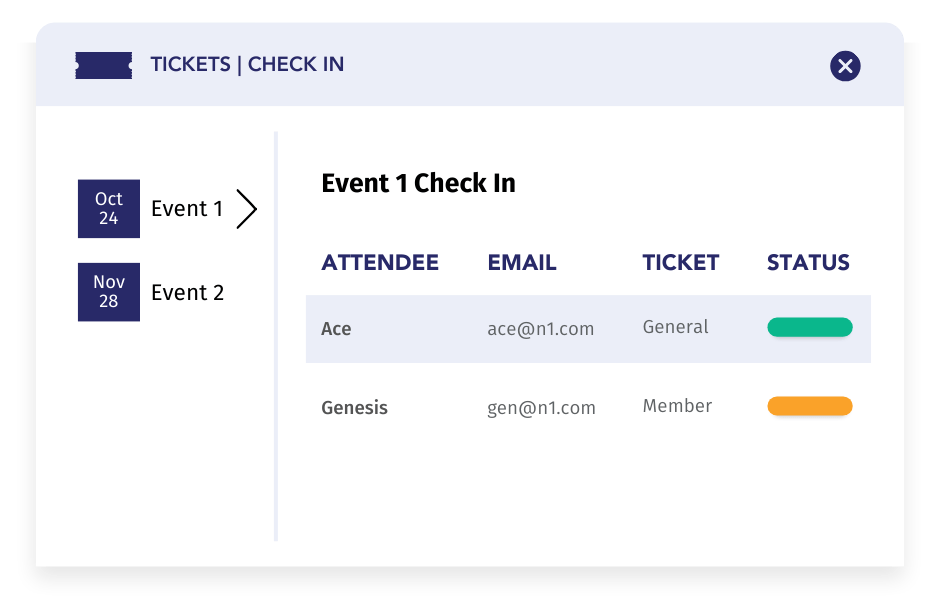
Tech Tip: Today’s galas increasingly blend elegance with efficiency. Digital ticketing, QR-code check-in, and mobile giving during live appeals make it easier for guests to participate without interrupting the flow of the evening (and giving your team cleaner data and faster reconciliation to boot).
3. Raffles
Raffles are a tried-and-true fundraising favorite for a reason—they’re easy to set up, fun for supporters, and offer a clear incentive to give. Whether you’re raffling off a donated gift basket, a restaurant gift card, or even a big-ticket item like a vacation package, you can sell tickets online or in person and draw the winner at a live event or via livestream.
Just make sure to check your local regulations around raffle fundraising—some areas may require a permit or limit online participation.
Works best when: It’s added as a revenue stream inside a larger event—a gala, a 5K, a trivia night—where ticket sales can be promoted to a warm, already-engaged audience; raffles also work well as low-lift digital campaigns when the prize is compelling enough to drive online sharing.
Not a fit when: It’s used as a standalone primary fundraiser without a meaningful prize: a lukewarm prize means lukewarm ticket sales, and, in many states, raffles require a permit—check your local regulations before you sell a single ticket.
4. Pancake Breakfasts
A pancake breakfast is on the opposite end of the spectrum from a gala when it comes to upfront investments. Pancakes are cheap and easy to make, and they can be easily made in bulk. It’s also easy to address vegan or gluten-free guests with a few tweaks to the recipe. This makes it a cheap fundraising idea that you can whip up quickly.
Works best when: Your mission has broad community appeal, your supporter base skews family-oriented or community-focused, and you have volunteers ready to staff a kitchen—the low overhead makes this a strong fit for small nonprofits or orgs hosting a first-time fundraiser without much runway.
Not a fit when: Your donor base primarily consists of major gift prospects or high-net-worth individuals who expect more formal cultivation experiences; a pancake breakfast is a community builder first and a revenue engine second, and the ticket price ceiling reflects that.
5. 5K Runs & Walkathons
5K runs and walkathons both operate in the same way, though at different levels of intensity. 5Ks are a great option as they’re relatively short but still challenging enough for more seasoned runners. Walkathons are a bit more approachable and casual than the 5k, which encourages greater participation. They can even be run in conjunction with a 5k.
Organizations can gain funds through entry fees and individual pledges. So, a participant may pay $12 to participate and then have friends or family pledge a certain amount for every mile they complete. This way, even individuals who don’t compete in the event can still support the cause.
Works best when: You have a mission that connects naturally to physical activity, a community of supporters who are willing to fundraise on your behalf—not just participate—and a post-event stewardship plan; according to Neon One’s Generosity Report, peer-to-peer participants give above the benchmark from day one, but 47.80% only participate for a single year before lapsing.
Not a fit when: Your team doesn’t have a retention strategy for turning first-year participants into multi-year advocates; the revenue from a 5K or walkathon can really compound over time (see the story below about Chicago Run for a real-life example), but only if you treat participants as long-term relationships, not one-time event registrants.
Tech Tip: Modern runs and walkathons often rely on mobile tools to streamline the experience—from QR-code registration and text message communications to fitness app integrations that help participants track progress and share fundraising updates with their networks in real time.
6. Benefit Concert
Organize a benefit concert featuring local bands, school ensembles, or up-and-coming artists in your area. Sell tickets online and at the door, and consider adding merch sales, food trucks, or a raffle to boost revenue. Partner with a local venue that shares your mission or offers discounted rates for nonprofits.
Works best when: You have existing relationships with local artists, bands, or a venue willing to donate or deeply discount their services, and your mission has broad enough community appeal to sell tickets to people outside your core donor list—concerts are one of the best events for new donor acquisition precisely because the draw is the music, not the cause.
Not a fit when: You’re relying on your current donor list alone to fill seats, or when you don’t have someone on staff or on your board who can manage entertainment logistics; talent procurement, sound production, and venue coordination are a different skill set from most nonprofit event planning.
7. Karaoke
Karaoke is more than a fun bar night activity—it can be a nonprofit event with multiple revenue streams. You can charge a door fee, set up concessions with snacks and drinks, and even have individual contests with their own entry fees. It’s also very easy for just about anyone to put on due to modern portable karaoke technology.
Works best when: Your goal is community building and new donor acquisition rather than a single large revenue number—karaoke’s multiple revenue streams (door fee, concessions, individual contest entry fees) add up, but the format’s real strength is its low barrier to entry and its ability to attract supporters who would skip a gala.
Not a fit when: Your annual fundraising goal requires a four- or five-figure night from a single event; karaoke works well as one event in a diversified calendar, but it’s not typically a primary fundraiser for organizations with significant revenue targets.
8. Trivia Nights
Trivia nights are typically team-focused events that allow you to charge higher entry fees. A portion of those fees goes to the winning team, while the rest goes to the nonprofit. For a fun twist, nonprofits can design some of the trivia around their own causes and values, reiterating their impact on supporters.
Works best when: Your donor base skews younger or social, you’re trying to attract new supporters who wouldn’t self-select into a traditional fundraising event, or you want a repeatable, low-overhead format you can run quarterly—team entry fees and sponsorships can stack up quickly with the right crowd.
Not a fit when: Your primary objective is major gift cultivation; trivia nights build broad affinity and are excellent for donor acquisition, but the casual group format is rarely where high-net-worth donors make significant giving decisions.
9. Yard Sales
A yard sale is a fun way to get to know your supporters while also raising funds for a cause. One huge benefit of technology is that these are no longer cash-only events. You can easily set up virtual payments and even inventory tools for items using tablets with CRM software and event-specific websites.
Works best when: Your organization has an active, geographically concentrated volunteer base willing to donate and sort items, a physical space to stage donations before the sale, and a mission that resonates with a neighborhood or community audience—the personal, face-to-face nature of a yard sale is genuinely good for relationship building with local supporters.
Not a fit when: Your supporters are geographically dispersed, you don’t have a staging space, or your team’s time is too limited to manage item collection and sorting; the logistics are manageable, but they are real, and a poorly stocked or disorganized yard sale is not going to look great for your org.
10. Theater Night
For an elegant and accessible fundraiser, consider partnering with a local theater company to host a special performance. Work with them to reserve a night where a portion of the ticket sales will benefit your organization. You can add a pre-show reception, VIP seating, or a behind-the-scenes tour to create a more exclusive donor experience.
Works best when: You have an existing relationship with a local theater company open to a revenue-share arrangement, and a donor base that values arts and culture experiences—the pre-show reception or VIP add-on is where the fundraising upside lives, since ticket splits with the venue will limit your base take.
Not a fit when: You’re in an area without an accessible community theater ecosystem, or when your primary goal is maximizing revenue per attendee; the shared-revenue model makes this a relationship-building and donor-appreciation event first, a fundraiser second.

See Neon One Fundraising in Action!
Take this self-guided tour to learn how Neon One’s fundraising tools work together to help nonprofits engage and inspire their communities—all while simplifying their operations.
11. Potlucks
Potlucks are another great way to build a sense of community as you raise funds for your cause, much like other grassroots fundraising ideas. Have your supporters bring in their favorite dishes and try other people’s favorites. Like the pancake breakfast, this is a low-cost and easy-to-put-together event that just about all nonprofits can manage.
Works best when: Your supporter base is tight-knit, locally concentrated, and the kind of crowd that genuinely enjoys the communal ritual of sharing food—the magic of a potluck is the informal conversation it generates, which makes it a surprisingly strong event for deepening relationships with mid-level donors who don’t yet feel personally connected to your mission.
Not a fit when: Your goal is revenue maximization; a potluck’s ticket price ceiling is low by design, and if your team is hoping to clear a significant fundraising target from a single event, this format will disappoint—its value is in a sense of true belonging, not in filling up your goal thermometers.
12. Casino Nights
Most nonprofits have considered a casino night for an event at one time or another. These run the gamut from bingo and slot machine games to full-scale events with all the traditional favorites like blackjack and roulette. Of course, this one can put you at odds with the law if you’re not careful, so make sure to get legal advice on any laws or local ordinances you need to follow.
Works best when: Your org has access to a vendor who handles the gaming equipment and dealer staffing (which takes the biggest operational burden off your team), you’ve done the legal homework for your state and municipality, and your donor base includes supporters who respond well to competitive, high-energy social environments.
Not a fit when: You skip the legal step—this is the one event type on this list where a compliance failure can generate negative press and real liability, not just a disappointing evening; also a poor fit for organizations whose mission or donor values don’t really extend to gambling.
13. Exercise Class
You can hold a regular exercise class with a volunteer instructor—like a boot camp-style fitness program—for long-term fundraising. Or you can hold a unique one-off event and gain a lot of publicity, like goat yoga or cardio drumming! Make sure to stay safe and work with a qualified fitness instructor when you’re building your event.
Works best when: You’re running a novel, one-off format—goat yoga, silent disco cardio, cardio drumming—that generates its own buzz and gives people a story to tell; the PR value of a genuinely weird fitness event can exceed the ticket revenue, especially if local media picks it up.
Not a fit when: It’s used as a recurring revenue source without a committed volunteer instructor and a reliable, returning participant base; the logistical overhead of sourcing a qualified instructor, securing space, and managing liability waivers is real, and attendance for recurring fitness fundraisers tends to drop sharply after the novelty wears off.
14. Bike Races
Bike races are used by a lot of nonprofits because they’re another way you can charge an entry fee or raise funds by a pledge for miles, or both. You can also choose a nice leisurely scenic ride or a more intense, high-speed one with prizes awarded. It may be helpful to use some kind of map on a mobile app to help guide participants and allow them to reach out for help if needed while providing their exact position.
Works best when: Your community includes an active cycling culture—recreational or competitive—and your course has a safe, established route; the pledge-per-mile model is particularly effective here because it turns every participant into a fundraiser without requiring them to do any traditional outreach.
Not a fit when: Your organization operates in a densely urban area without a viable route, or when your volunteer capacity can’t cover the course support, safety logistics, and day-of coordination a bike event requires—participant safety issues at a physical event carry reputational consequences that far outweigh a strong fundraising night.
15. Car Show
From vintage classics to muscle cars and custom builds, car shows are crowd-pleasers for all ages. Invite car enthusiasts to register their vehicles for a fee, and open the event to the public with paid admission or suggested donations. Offer awards in fun categories, sell concessions, and reach out to local auto shops or dealerships for sponsorships.
Works best when: Your region has a strong car enthusiast culture, and you can anchor sponsorships from local dealerships or auto shops before you go public—those partnerships reduce your cost basis and signal legitimacy to the community, which drives higher vehicle registration and public attendance.
Not a fit when: Your mission has no natural connection to the automotive or local community space; car shows draw their own crowd, but that crowd won’t automatically become donors, so if new donor conversion matters more than event-day revenue, this format requires more deliberate follow-up than most.
16. Book Sales
Collect and sell donated books at a book sale event, with proceeds supporting your nonprofit. Any Millennial who remembers the pure literary pleasures of the Scholastic Book Fair will jump at the chance to participate.
Works best when: Your mission intersects with literacy, education, or the arts—or when you have a large base of community volunteers ready to sort and price donations; the overhead is genuinely minimal, and the right location (a library, a community center, a school) does a lot of the promotional work for you.
Not a fit when: You’re expecting significant revenue from a small inventory; book sale proceeds are directly proportional to volume, variety, and foot traffic, and a thin, poorly sorted selection in a low-visibility location will underdeliver—collect donations for at least a month before you set a date.
17. Exercise Competitions
This is the perfect fundraiser for your fitness-loving supporters! Participants track their workouts—runs, cycling, yoga, strength training, even dance parties—using apps like Strava, Apple Health, or MyFitnessPal. Sponsors pledge a donation for each mile completed, workout logged, or even calories burned.
Works best when: Your supporter base is already tracking their workouts on apps like Strava or Apple Health and is motivated by friendly competition—the pledge model works best when participants have existing fitness habits they’re proud of, because the fundraising ask attaches to something they’d be doing anyway.
Not a fit when: Your audience isn’t already fitness-oriented; unlike a 5K, where the event creates the motivation, a multi-week exercise competition requires self-directed participation, and registration-to-completion dropout rates can be high if participants aren’t intrinsically motivated to keep logging activity.
18. Pet Adoption Events
Collaborate with local animal shelters for pet adoption events where a portion of adoption fees goes to your cause. You can also bring in other local businesses like pet stores and trainers for a fair-like atmosphere that will get people even more excited about their new furry friends.
Works best when: Your mission is animal-related, or when you have a genuine, established partnership with a local shelter—the most successful versions of this event work because the shelter relationship is real and the animals present are actually available for adoption, which creates authentic emotional energy that turns bystanders into donors.
Not a fit when: The partnership with the shelter is transactional rather than relational; a pet adoption event where the shelter feels like a prop for another organization’s fundraising will come across as exactly that, and it can damage both your reputation and your relationship with an organization that could otherwise be a long-term community ally.
19. Hybrid Supply/Food Drives
The hybrid supply/food drive is one that’s emerged thanks to the digital space, and it’s particularly useful during times of high need. During the war in Ukraine, for example, dozens of nonprofits ran hybrid programs where they collected both food and supplies in the real world, while simultaneously taking monetary donations online. The online donations allow the nonprofits to supplement gaps in their physical donations.
Everyone who’s run a food drive knows they can expect about 5000 cans of beets, but next to no dry rice or pasta, which goes further and can be used for more. The additional online donations allow the nonprofits to buy those goods, sometimes at bulk pricing.
Works best when: Your organization is responding to a specific, time-sensitive community need — a local crisis, a seasonal surge in demand, a disaster response — where the urgency gives donors a clear reason to act now; the hybrid model is particularly powerful for organizations that already run in-person drives and want to close the gap between what they collect and what they actually need.
Not a fit when: Your org doesn’t have the infrastructure to fulfill physical donations responsibly — storage space, volunteer capacity to sort and distribute, and relationships with recipient communities all have to exist before you add a digital giving layer on top; running the online component without the operational backbone to deploy what you raise, whether goods or cash, erodes donor trust quickly.
Tech Tip: Hybrid supply and food drives continue to grow in popularity because they combine physical donations with digital flexibility. QR codes on collection bins, mobile donation links, and real-time progress tracking help nonprofits fill gaps quickly—so you’re not left with shelves full of canned goods but missing critical staples you can purchase efficiently online.
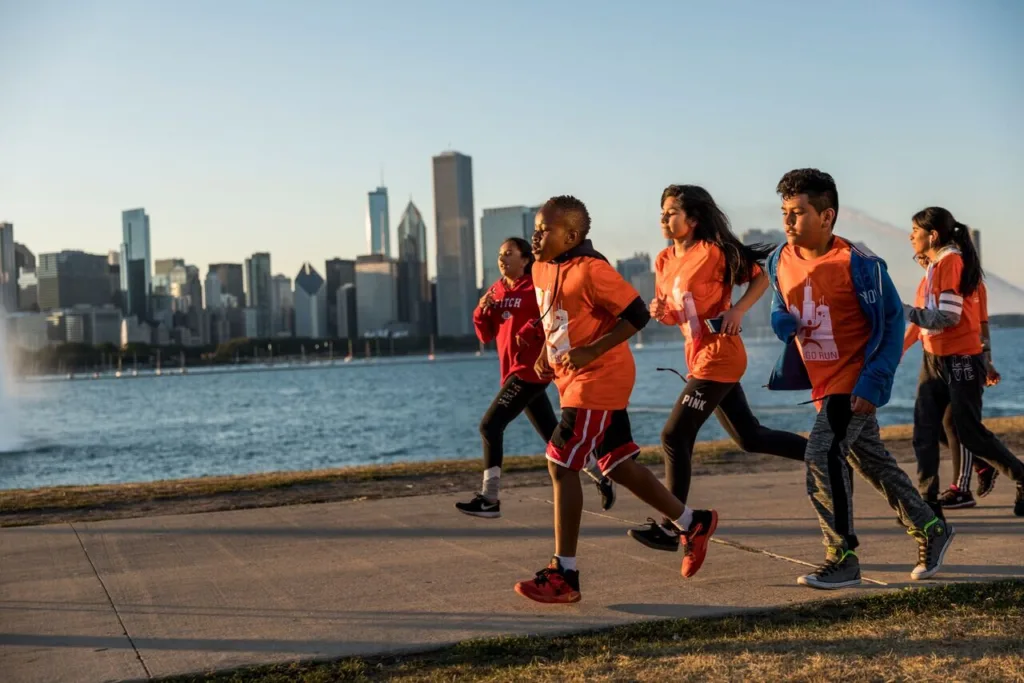
How Chicago Run Grew Peer-to-Peer Giving from $30K to $150K with Neon One
Seasonal & Holiday Fundraising Ideas for Nonprofits
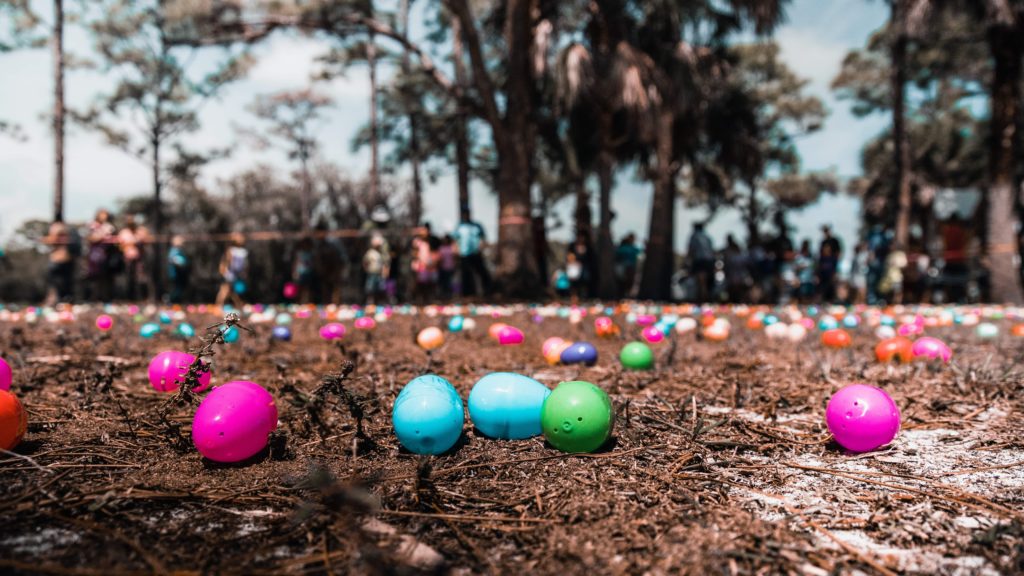
Seasonal and holiday fundraisers are excellent opportunities for donations because people are usually on the lookout for events that speak to that time of year. Theming events around those seasonal good feelings can encourage giving. As we continue this list of 118 nonprofit fundraising ideas, numbers 20 through 41 will help inspire your holiday and seasonal events.
- Holiday Cooking Competitions
- Wine Tastings
- Gift Wrapping Service
- Winter Clothing Drives
- Summer Picnics
- Valentine’s Day Flower Sale
- Pub Crawls
- Summer Carnival
- Craft Fairs
- New Year’s Eve Gala
- Ice Cream Socials
- Golf Tournaments
- Beach Bonfires
- Easter Egg Decorating Workshop
- Easter Egg Hunts
- Pumpkin Patch Fundraiser
- Halloween Costume Contest
- Haunted House Tours
- Winter Wonderland Ball
- Summer BBQ Cook-Off
- Spring Plant Sale
- Mother’s Day Brunch
20. Holiday Cooking Competitions
Just about every holiday you can think of has a food associated with it that’s fit for a competition: Pig roasts or chili cook-offs are great options during the spring and summer; candy-making competitions can be a fun addition for Halloween; and Thanksgiving is a great opportunity to fight for the title of best stuffing. These are simple events that get your donors involved and allow you to boost funds through entry fees.
21. Wine Tastings
Summer is a popular season for wine-tasting tours, and it can be an equally good opportunity for fundraising events. There’s another option for hybrid events here, as you can also hold raffles or auctions for bottles of wine.
Tech Tip: Ticketed wine tastings increasingly include mobile check-in and digital tasting notes, making it easy to upsell bottles, raffles, or future events while guests are already engaged.
22. Gift Wrapping Service
During the busy holiday season, shoppers are looking for any way to save time—and that’s where you come in. Set up a gift-wrapping station at a local mall, retail store, or community center and offer professional-looking wrap jobs in exchange for donations. You’ll raise money, spread cheer, and provide a useful service all at once. Just make sure your community of supporters has the gift-wrapping talent to support this venture in the first place.
23. Winter Clothing Drives
Winter clothing is always a necessity in the colder months, so clothing drives are a great idea. However, this is one where you’d likely want to run an online fundraiser in conjunction with your in-person fundraiser, as the clothing types and sizes needed will vary greatly.
Tech Tip: Many nonprofits now pair physical drop-off bins with online wish lists or monetary donation options, helping supporters contribute exactly what’s needed when specific sizes or items run short.
24. Summer Picnics
If you don’t want to deal with the mechanics of cooking, take a picnic basket approach. You can fill a picnic basket with sandwiches and sides for a family and sell it along with a spot on a blanket at your outdoor event.
25. Valentine’s Day Flower Sale
Partner with a local florist or buy wholesale flowers to sell bouquets or single stems in the lead-up to Valentine’s Day. You can pre-sell orders online, set up a booth at local schools or offices, or even offer delivery for a small extra donation. Include handwritten notes with each order as a donor perk!
26. Pub Crawls
Pub crawls are a fun way to raise funds and build camaraderie amongst your supporters, but don’t be fooled—they require a fair amount of planning to pull off. After all, you’ll be going to multiple locations and drinking alcohol with a large group. You’ll need to plan out your venues in advance as well as arrange transportation and minimize driving, which means planning out your routes accordingly, too. To do that, you’ll need to coordinate with the pubs you want to visit well in advance and set up a partnership.
If you want to know more about how to approach a local brewery to participate in a pub crawl (or host a standalone fundraiser), here’s an article from Neon One with tons of tips and insight.

27. Summer Carnival
Host a fair complete with games, food trucks, music, and maybe even a dunk tank or inflatable slide. Charge for admission or for individual activities, and offer sponsorship opportunities to local businesses. Recruit volunteers to run booths and sell advance tickets online for better planning—and that all-important buzz.
28. Craft Fairs
This can be a wonderful choice, especially if your supporter base has a lot of crafters, whether they make jewelry, knit scarves, or weld intricate metal sculptures. You can organize a craft fair for all these individuals to rent booths, showcase their work, and donate to the cause.
29. New Year’s Eve Gala
Toast the end of the year in style! A formal New Year’s Eve gala gives supporters a reason to dress up, celebrate, and give generously. Offer dinner, dancing, live music, and a champagne toast at midnight. Proceeds from ticket sales, sponsorships, and silent auctions can all support your mission.
30. Ice Cream Socials
While ice cream socials can technically be held year-round, they tend to be most popular in summer. These typically feature a make-your-own sundae bar, though they’ve evolved to include much more extravagant events, including unique ice cream flavors like wasabi or truffle. The ice cream social is also part of our nation’s history—the first occurred in the White House in 1802 during Thomas Jefferson’s presidency.
31. Golf Tournaments
Golf tournaments are a country club staple, and they’re also a great option for nonprofits that want to raise funds and gain connections. With the US Golf Foundation reporting that 37.5 million people play the sport in the US every year, it’s also excellent for donor sourcing.
Tech Tip: Modern golf fundraisers often use digital scorecards and sponsor challenges at individual holes, creating more touchpoints for giving and sponsor visibility throughout the day.
32. Beach Bonfires
No summer is complete without a beach bonfire, provided you’re in an appropriate area. This can also be a fun addition to a picnic or barbecue event, making it more appealing to your potential participants.
33. Easter Egg Decorating Workshop
Host an Easter egg decorating workshop complete with eggs, paints, stickers, and other crafty materials. Charge a small participation fee per child (or family), and consider hosting it at a local church, school, or community center. Kids love it, parents love it, and your nonprofit will love the impact! (Everyone will be mid on the stained hands, but that comes with the territory.)
34. Easter Egg Hunts
Can spring really start without an Easter Egg hunt? Of course, these events don’t have to be just for kids. You can also host hunts that hide prizes for adult supporters, like vacation or event tickets, small cash rewards, or other fun items. You can either use a pay-to-enter model or turn it into a bit more of a gamble, where participants get a basket of eggs that may or may not contain a valuable prize.
35. Pumpkin Patch Fundraiser
Create a pumpkin patch and offer pumpkins for sale during the fall season. Alternately, you can sponsor a trip to a local pumpkin patch, with entry fees going towards your nonprofit. You can also set up carving stations that people can use once they have their pumpkins picked out.
36. Halloween Costume Contest
Invite ghosts, goblins, and ghouls to strut their stuff in a community costume contest! Charge a small entry fee and offer prizes for categories like “Best DIY Costume,” “Cutest Kid,” “Scariest Overall,” or “Best Group Look.”
Tech Tip: Letting supporters vote for winners with small donations—either on-site or online—turns the costume contest into a mini crowdfunding campaign with built-in excitement.
37. Haunted House Tours
There are a couple of different ways to go about this. If there are historical haunted houses in your area, you can host tours. You can also build your own haunted house, but that’s a big commitment. Lastly, you can partner with an established haunted house to get a cut of the proceeds. Maybe your nonprofit gathers volunteers to partially staff the attraction, saving the company money on salaries. Get creative!
38. Winter Wonderland Ball
When winter rolls in, turn your venue into a cozy, elegant escape. The Winter Wonderland Ball is a family-friendly or semi-formal dance event featuring music, photo ops, seasonal treats, and decor that makes guests feel like they’ve stepped into a snow globe. Charge for tickets and add extras like raffles or donation stations to boost fundraising.
39. Summer BBQ Cook-Off
Organize a barbecue cook-off competition during the summer months, with entry fees and food sales. If you live in a part of the country that prides itself on its specific barbecue style and sauces, there will likely be a high level of interest in such an event. You can even host two tiers: one for professional pitmasters and another for amateur enthusiasts.
40. Spring Plant Sale
Sell potted plants, flowers, or garden supplies during the early spring months. Look into bringing in several local garden shops to offer a wide variety of plants. If you’re planning a community clean-up event, this sale could pair very nicely with it.
41. Mother’s Day Brunch
Celebrate moms with a warm and welcoming brunch event—think flowers on the tables, a short program with a speaker or performer, and a meal shared with loved ones. Host it at a local venue or partner with a restaurant to manage the catering. Sell tickets in advance and consider offering “sponsor a mom” options for families in need.
Resource: Get Event Invite Templates That Convert
Not sure how to get RSVPs? Use our Nonprofit Event Invite Templates to build excitement and boost attendance.
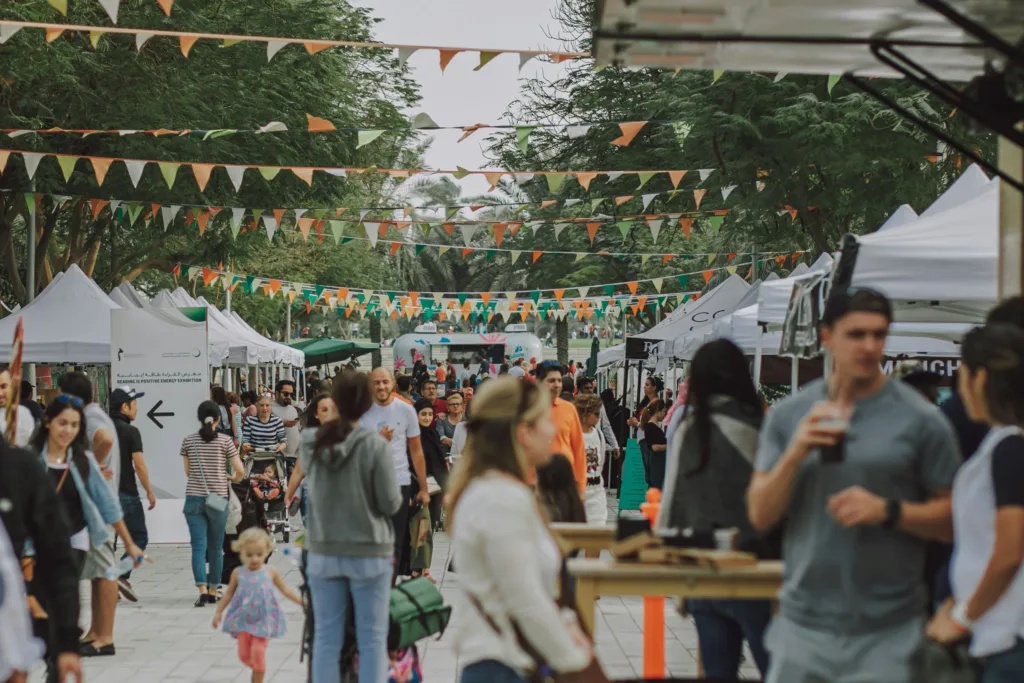
The “Let’s Get Together” Guide to Nonprofit Gala & Event Invites (+ Templates)
Virtual Fundraising Ideas for Nonprofits (Online & Hybrid Campaigns)

Nonprofit fundraising ideas 42 through 63 all take place entirely on your computer, phone, or tablet. That includes 100% virtual events as well as some digital best practices that you can use to boost donations and—even better—foster stronger relationships with your donors.
- Segmented Impact Stories
- Masterclass Webinars
- Giving Anniversary Emails
- Abandoned Donation Follow-Up
- Photo Contest
- Influencer Takeover
- Recurring Donor Upgrade Campaign
- Wish List Supply Drive
- Time-based “Challenges”
- Virtual Volunteer-A-Thon
- “Before & After” Email Series
- Online Gaming Tournaments
- One-Day Flash Match
- Instagram Reels Fundraiser
- Run a “Sprint” on LinkedIn
- Virtual Pet Show
- Unsubscribe Challenge
- Online Fitness Challenges
- GivingTuesday Countdown Series
- 24-Hour Livestream Challenge
- Virtual Escape Room
- “Why I Give” Video Series
42. Segmented Impact Stories
Personalization makes all the difference. Instead of a generic email blast, send segmented impact stories based on supporter type: volunteers, first-time donors, monthly givers, and more. Highlight the specific outcomes their contributions made possible, then close with a relevant, soft ask. Use merge fields and personalization tokens in your email builder to speak directly to each segment’s experience.
Tech Tip: Create different donation forms for different groups of donors with preselected suggested upgrade amounts based on their current giving level, making increases feel personalized and low-effort.
43. Masterclass Webinars
Have an expert in your network? Turn their knowledge into a fundraising event! Whether it’s a cooking demo, leadership seminar, yoga flow, or creative writing class, you can host a live or recorded session and charge a donation-based entry fee. As a bonus, you can also repurpose recordings for future evergreen fundraising content or use them as donor perks.
44. Giving Anniversary Emails
Use your CRM to automatically trigger anniversary emails that celebrate when a donor first gave to your organization. Keep it warm and grateful, and gently invite them to give again (or take another action) to mark the occasion. “You first gave to us one year ago today—thank you! Will you help us do even more this year?”This will create a sense of tradition and recognition without a hard sell.
2026 tech tip: Trigger anniversary emails directly from your donor database and include real-time impact metrics or recent program updates pulled from your reporting tools to keep messages current, not static.

Guest Pitches: We want to publish your story!
Looking to share your insights and broaden your reach? Write an article and let us share it with our audience of over 100,000 nonprofit leaders.
45. Abandoned Donation Follow-Up
Life gets busy, and sometimes donors don’t make it to the finish line. If your donation form supports it, trigger a friendly reminder email if someone starts to donate but doesn’t complete the process. Use simple language like: “Hey, something interrupted your donation. Need help finishing it?” Include a direct link to their in-progress donation or make the form as short as possible to reduce friction.
46. Photo Contest
Photo costs are incredibly diverse. You can hold professional-level photographer events complete with art gallery displays, or you can offer simple online slideshows that allow viewers to vote on their favorite works. Either can be accomplished in a fully digital environment.
47. Influencer Takeover
Let a local influencer or mission-aligned creator “take over” your Instagram or TikTok for a day. During their takeover, they can go live, share behind-the-scenes content, highlight your impact, and encourage donations. This is especially effective when they have a loyal, niche following. Pair it with a goal like “help us raise $5K in 24 hours” to create urgency and track results in real time.
48. Recurring Donor Upgrade Campaign
Your monthly donors are already loyal—now’s the time to invite them to level up. Send a targeted email encouraging a small increase in their recurring gift (“Just $5 more can feed an extra family each week”) and offer a small reward like a thank-you note, a pin, or early access to your next event. It’s low effort (aka “easy”) for donors, but has big potential returns for your organization.
Have You Tapped Into the Power of Recurring Giving?
Creating a sustainable, recurring income stream doesn’t have to be complicated.
After focusing on their recurring giving program, Path of Hope Rescue grew from just a few supporters on PayPal to more than 55 recurring donors through Neon One.
As Founder and Executive Director, Caitlin Knight shared, “It finally clicked—we needed to focus on recurring donors!”
This simple shift now generates $1,500 in steady monthly revenue that the team can rely on to save more animals! You can check out their full story below.
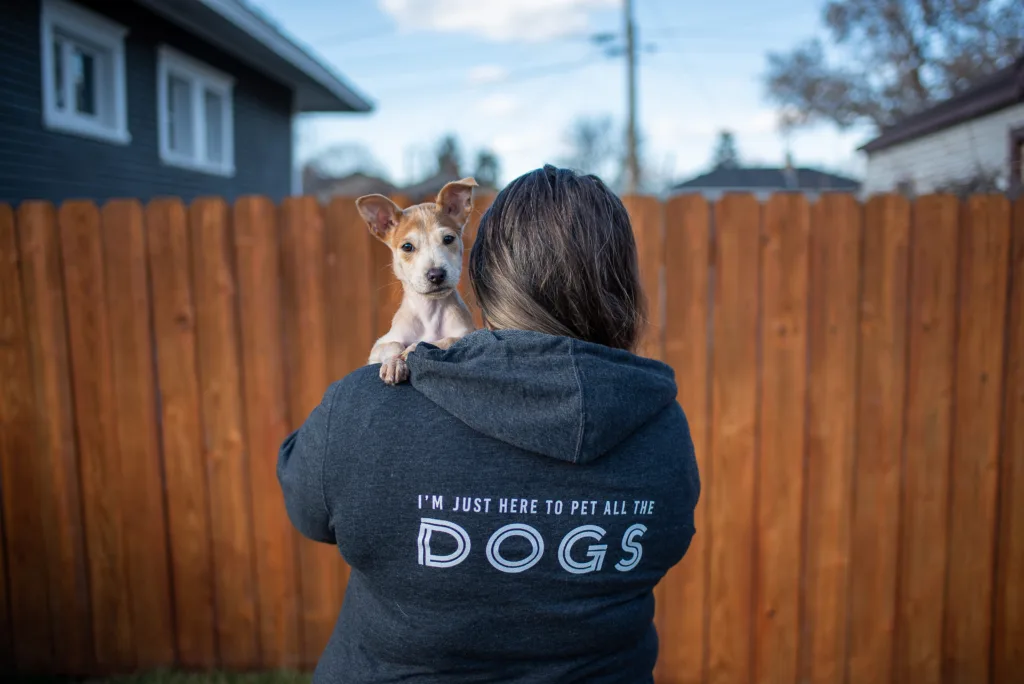
Paws and Progress: Path of Hope’s Growth Story with Neon One
49. Wish List Supply Drive
Using Amazon or another e-commerce site, nonprofits can set up wish lists that donors can buy directly from and have it shipped. This is a great way to give people an opportunity to support your nonprofit during a common activity—shopping online.
50. Time-based “Challenges”
Time-based crowdfunding campaigns are a proven way to generate excitement and quick support. Launch a 72-hour (or 7-day) challenge with a specific financial goal, theme, or project in mind. Use real-time progress bars, updates, and testimonials to keep the momentum going. Include peer-to-peer options so your biggest fans can fundraise for you and expand your reach.
51. Virtual Volunteer-A-Thon
For supporters who prefer giving their time over money (though often they do both!), a virtual volunteer-a-thon is a great option. Participants pledge a certain number of hours to virtual service (tutoring, phone banking, translation, mentoring), and they recruit sponsors to donate per hour volunteered. You can recognize your top volunteers in a public “honor roll” email or social media post to boost engagement.
52. “Before & After” Email Series
This two-part email series is a storytelling win. In the first email, introduce a challenge or problem your organization is tackling. In the second, show the resolution—how donors helped, what changed, and what impact was made. Finish with a prompt for readers to fund the next success story. Include photos or a short video in the “after” email to drive home the transformation.
Resource: The Relationship First Nonprofit Playbook
Speaking of storytelling and email communications—those are just two of the many ways to share your impact with your supporters and create personal touches that keep people engaged. We created the Relationship-First Nonprofit Growth Playbook, which includes quick action guides for personalized communications and sharing your impact, to help you build the personal relationships that drive your growth! You can get your copy below.
Your action guide to build relationships that drive growth.
In this playbook, we’ll dive into insights that can help and simple steps you can take to start putting relationships first in your day-to-day work.
53. Online Gaming Tournaments
Organize online gaming tournaments with entry fees and prizes for winners. Look for any local leagues or gaming cafes that might be willing to partner or at least signal boost. You can also use peer-to-peer sponsorships to raise more funds.
54. One-Day Flash Match
This is a one-day-only campaign with high energy and even higher urgency. Send a short, punchy email in the morning announcing a matching gift: “All donations made today will be doubled—but only until midnight!” Once you secure a major donor to match donations (oh yeah, make sure you do that first), you can then create a brigade of supporters who donate early and post about it to give you some momentum.
55. Instagram Reels Fundraiser
Meet your supporters where they already are—on social media. For this fundraiser, challenge followers to create a Reel or TikTok video showing what your mission means to them. This could be a creative skit, a heartfelt message, or even a dance trend with a custom twist. For every video submitted, ask creators to include a donation link in their bio and tag your nonprofit.
56. Run a “Sprint” on LinkedIn
Tap into your supporters’ professional networks with a LinkedIn sprint! Participants commit to posting once a day for five days about your mission, their connection to the cause, and a call to donate. Provide a toolkit with banners, post templates, and suggested hashtags to make it easy. It’s authentic, peer-driven, and perfectly suited for mission-aligned corporate giving campaigns.
Tech Tip: Use shared content libraries and scheduled publishing tools so participants can easily deploy approved posts while keeping messaging consistent across the sprint.
57. Virtual Pet Show
Host an online pet show where participants can showcase their pets, and viewers can donate to vote for the cutest pet. This will be a great event for social media promotion and engagement.
58. Unsubscribe Challenge
Invite your audience to do a little digital spring cleaning—and turn it into impact. Ask them to unsubscribe from a non-essential paid service (streaming, unused app, online subscription) and donate that monthly amount to your nonprofit instead. Getting someone to cancel their Paramount+ subscription and start giving your $5 a month is a great way to get them in the door, so you can grow their giving over time.
59. Online Fitness Challenges
Create virtual fitness challenges, like seeing who can jog the most miles or lift the most weight in a single month, with participants collecting peer-to-peer pledges based on their progress. The more you challenge participants, the more driven they’ll be to s\ucceed!
60. GivingTuesday Countdown Series
Build momentum with a GivingTuesday email series starting seven days before the big day. Each message should focus on a different hook—impact story, donor spotlight, match announcement, countdown, and the final “go time” ask. Include consistent branding, a clear CTA, and donation buttons in every email. Send a thank-you and final results email after the day ends to close the loop.
61. 24-Hour Livestream Challenge
This idea taps into the massive reach of livestream platforms like Twitch, YouTube Live, or Instagram Live. Host a 24-hour streaming event where a gamer, musician, artist, or even a group of staff or volunteers stays live for a full day, hitting donation milestones, completing challenges, or performing dares submitted by donors. It’s high-energy, interactive, and perfect for younger audiences or creative communities. Just make sure you all shower beforehand.
62. Virtual Escape Room
Bring people together (without actually bringing them together) with a virtual escape room fundraiser! Participants form teams, pay an entry fee, and work together over Zoom to solve puzzles, uncover clues, and “escape” within a set time limit. You can use existing platforms that offer hosted escape experiences, or design your own with a story that ties into your mission.
63. “Why I Give” Video Series
Ask donors, volunteers, or board members to record short, heartfelt videos about why they support your mission. Then share these across email, social media, and your website as part of a digital giving campaign. Each video should include a donation link and a call to action for viewers to join in.
Tech Tip: Store video submissions centrally and tag them by donor type or theme so they can be reused dynamically across email, landing pages, and future campaigns.
Resource: Boost Giving With Proven Email Templates
From kickoff to follow-up, use our (free!) Fundraising Email Templates to craft messages that engage and convert.
Fundraising Email Templates
Creative Fundraising Ideas for Nonprofits That Boost Engagement

One of the best ways to raise money and build a sense of belonging is by harnessing the creative talents of your supporters and the surrounding community! Ideas 64 through 77 do just that.
- Live Music Battles
- Fashion Shows
- Comedy Nights
- Painting & Cooking Classes
- Talent Shows
- Art Shows
- Short Story & Poetry Contests
- Community Mural Fundraiser
- DIY Terrarium Workshop
- Craft Night
- Open Mic Night
- Design a Sticker or T-Shirt Contest
- Custom Poem or Song Commissions
- Creative Writing Marathon
64. Live Music Battles
Live music battles make for great events because most communities, all across the country, have musical talents who want to get their names out there (or just put on a fun show). For nonprofits that aren’t specifically music-focused, you can typically tackle the challenge of building your lineup through sponsorships and partnerships. You can have fun promoting the show and stoking “rivalries” between the acts while also encouraging people to donate to support their favorite one.
65. Fashion Shows
Who doesn’t love strutting their stuff on the runway?! (Okay, lots of people, arguably most of them, let’s move on.) By partnering with local stores or boutiques that can act as sponsors and show off their collections, your nonprofit can throw a fun fashion show, with tickets and possibly some auction pieces bringing in revenue.
66. Comedy Nights
Comedy nights are a good way to bring some lighthearted fun to your organization. This is another door-entry event with multiple revenue streams and relatively low overhead. Nonprofits in larger cities will usually have an easier time finding a local stand-up community to tap into. You can also make it more of an open mic, but that also makes it harder to vet your acts.
Tech Tip: Add mobile-friendly donation pages and table-level QR codes so attendees can give in real time—especially when a joke, moment, or performer really lands.
67. Painting & Cooking Classes
People love painting classes, and they love cooking classes. The main difference between the two is that the quality of the finished product matters a little bit more for cooking than it does for painting. But, either way, the point is for people to have fun (and possibly get a little tipsy)! Look for local chefs and artists/instructors who can guide your event.
68. Talent Shows
Talent shows can be very casual, with everyone welcome to take the stage and perform. They can also follow a more formal process involving auditions and rehearsals. While the first option is easier, the second tends to run a bit smoother in the long run because you’ve worked out any unexpected kinks between (or within) your acts.
69. Art Shows
Sponsoring an art show for local artists might be the first time that these fine folks have to share their art with the community!. By giving them a chance to showcase their work in an exclusive, curated collection, you can also raise funds through bids, entry fees, or both. Look to local high schools and colleges to find emerging talent.
70. Short Story & Poetry Contests
Hold a contest for local writers and/or poets to create a work on themes that resonate with your mission. Once you have all your entries, promote them to your supporters, paired with an appeal, of course, and have them vote on their favorite. Once the contest is done, you can compile the works created into an anthology that you can sell physical copies of.
71. Community Mural Fundraiser
A mural can do more than beautify a wall—it can bring your community together and tell a powerful story. In this fundraiser, supporters “sponsor a square” or section of a larger mural, which is then painted by a local artist, staff member, or volunteers. You can recognize donors with their names or dedications incorporated into the art.
72. DIY Terrarium Workshop
Terrariums are like little ecosystems in a jar—and people love them! This fundraiser is perfect for eco-focused organizations or anyone hosting a springtime or Earth Day-themed event. Participants make a donation to register for the workshop, and, in return, they get the supplies and instruction they need to build their own mini-garden. You can also offer in-person and virtual options with mailed kits for remote participants.
Tech Tip: Offer tiered registration options—virtual kit, in-person workshop, or donation-only—through a single form to simplify logistics while maximizing participation.
73. Craft Night
From scrapbooking to knitting to holiday card-making, a themed craft night is a low-cost, high-engagement fundraiser. Supporters buy tickets (or donate to join), then gather to create something fun—either in person or virtually. You can supply the materials or provide a list and let participants gather their own. If you know any crafters, you know they can get pretty hardcore about this pastime, so don’t be surprised if they go above and beyond.
74. Open Mic Night
Let your community’s creativity shine with an open mic night. Invite poets, singers, comedians, and storytellers to take the stage and perform for a good cause. You can host this in a local café, library, school auditorium, or even virtually via Zoom. Consider adding a “tip jar” for each performer where audience members can donate to vote for their favorites! Oh, and make sure you have some rules for what can and cannot be done or said prominently posted.
75. Design a Sticker or T-Shirt Contest
Put the power of design in your supporters’ hands! Host a contest where your community submits sticker or t-shirt designs inspired by your mission. Then let people vote on their favorites by donating—each dollar equals one vote. The design with the most donations wins and gets produced! You can then sell the final product through your website or at future events.
76. Custom Poem or Song Commissions
If you’ve got a writer or musician on your team—or among your supporters—this is a creative and personal way to raise funds. Donors can request a personalized poem, haiku, or song written just for them or in honor of someone they love. Set donation levels based on complexity or turnaround time. These one-of-a-kind gifts are especially great around holidays, birthdays, or giving campaigns!
77. Creative Writing Marathon
Organize a writing marathon where participants pledge to write a certain number of words (say, 5,000) in a weekend—or a full novel in a month, NaNoWriMo-style. Friends and family donate per word, page, or completed project. This is a fun way to engage introverts, creatives, and book-lovers, all while raising funds and generating some seriously cool stories.
Tech Tip: Pair pledge tracking with automated progress emails so supporters receive updates as writers hit milestones, keeping sponsors engaged throughout the challenge.
Planning a fundraising event is hard!
That’s why we created this fundraising event planner that walks you through the entire process, with expert insights and free resources to help you smash your goals.
Fundraising Ideas for Schools & Educational Nonprofits
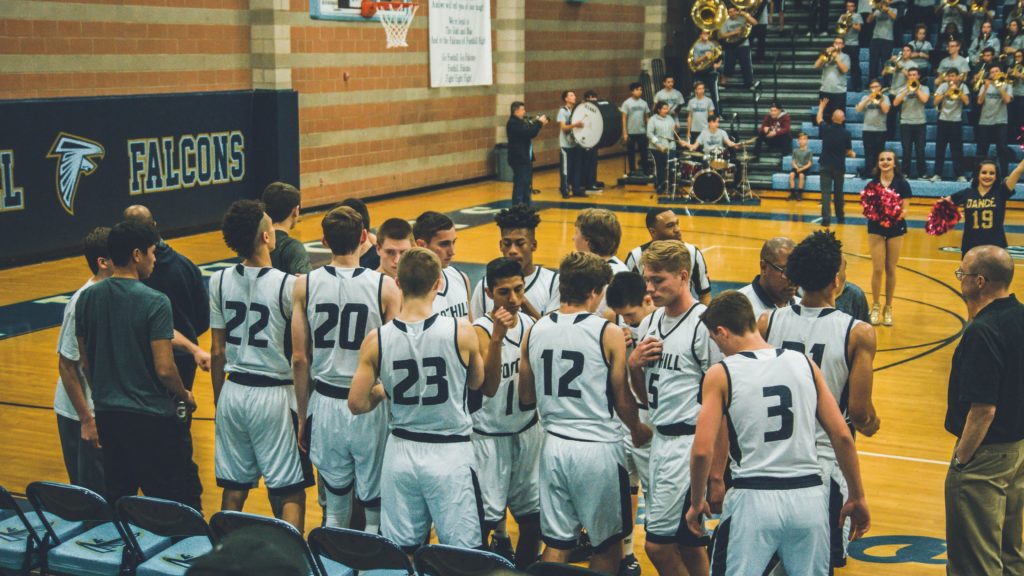
Scholastic events can be held for K-12 students or for major alumni associations. Regardless of the organization they support, they focus on education and the academic community. Numbers 78 through 90 can give you some ideas for school-based fundraisers.
- Relay Races
- Car Washes
- Debate Tournament
- Lip-Sync Contests
- Sports Events
- Code-A-Thons
- School Play
- Reading Marathons
- Science Fair
- Music Recital
- Math Olympics
- Spelling Bee
- Geography Bee
78. Relay Races
Relay races don’t have to be the traditional “running with a baton” event you think of. You can turn these into themed dress-up events, obstacle course races, or even tie them into scavenger hunts.
79. Car Washes
Car washes are another high school staple for raising funds for causes. This may actually be completed as a peer-to-peer-style fundraiser, where a group of students holds a car wash on behalf of the organization without direct oversight. They then collect the funds and turn them over once the car wash is complete, sometimes in an assembly or other big event.
2026 tech tip: Provide student teams with unique fundraising pages and QR codes so funds raised off-site can be tracked accurately and attributed before totals are turned in.
80. Debate Tournament
Turn student smarts into community impact with a debate tournament fundraiser. Invite schools or local clubs to participate, charge entry fees for teams, and open the event to spectators with suggested donations. You can hold it in person or virtually, and even invite guest judges from local media, government, or academia to boost credibility and turnout.
81. Lip-Sync Contests
Lip-syncing contests are particularly popular in K-12 events where students can put together their own groups and perform songs. Setting up prizes for the best acts and using a panel of judges is also a fun way to get the audience involved.
82. Sports Events
Sports competitions don’t just bring communities together, they also give you a chance to form friendly rivalries with your neighbors. While basketball, football, and baseball are obvious staples, think beyond those traditional sports. You have a lot of different levels of athletic ability within your organization. Sports tournaments for games like cornhole, horseshoes, bowling, or billiards are fun and a bit more inclusive.
83. Code-A-Thons
For tech-focused organizations, code-a-thons are becoming the new go-to event. During this event, a group of developers works together to create an application. The apps are typically designed around the needs of the cause, like creating a pet-finding app for an animal shelter or a library app for an English literature association. Teams are typically expected to raise funds for the nonprofit to enter the event.
84. School Play
All the world’s a stage—especially when ticket sales support educational programs. Whether it’s a beloved musical, Shakespearean comedy, or a student-written play, school productions offer a creative and impactful way to raise money. You can boost fundraising by selling concessions, offering “backstage passes,” or hosting a themed costume night.
Tech Tip: Digital ticketing and mobile check-in reduce lines at the door and create an attendance record you can use for follow-up emails and future event invitations.
85. Reading Marathons
Reading marathons are often pledge-based events where individuals commit to reading a certain number of books over some time. This is an excellent option for getting young people involved in their community while encouraging literacy. It’s also a great segue into our final category of nonprofit fundraising ideas: events for kids.
86. Science Fair
Organize a science fair with entry fees and concessions, and put the call out for local kids to come and showcase their scientific experiments. You could also organize this fair as the final event of a science-themed summer camp, where the kids spend a week learning about science and then spend the final day showing off their new skills.
87. Music Recital
Shine a spotlight on your student musicians with a recital fundraiser. Whether it’s solo piano pieces, small ensembles, or full band performances, this is a great way to showcase talent and raise money for your school’s music program. Sell tickets, livestream the event for virtual attendees, and include a donation appeal between sets. Offer recorded performances as donor thank-you gifts or downloadable keepsakes.
88. Math Olympics
Hosting a math competition for local arithmetic and algebra whizzes can raise money via entry fees and from peer-to-peer sponsorships. If you live in an area with multiple high schools or middle schools, you could turn this into a team competition, with different schools competing against each other for local mathletics bragging rights.
89. Spelling Bee
Similar to the Math Olympics idea listed above, a spelling bee offers peer-to-peer fundraising opportunities and can be held as either an individual competition or a team tournament. For nonprofits whose mission is science-based (environmental groups, for example), you can make this a themed competition featuring tons of knotty scientific terms like “hydrofluorocarbons.”
90. Geography Bee
Double bees! In a geography bee, students compete to name countries, capitals, and cultural landmarks. Charge a small registration fee, open it up to families and community members, and offer prizes or medals for top performers. This event can be held in person or virtually using quiz platforms. If you’ve ever wondered what the difference is between an “isthmus” and a “peninsula”, this is the fundraiser for you.
Tech Tip: Virtual quiz platforms with built-in timers and scoring make it easy to run geography bees remotely while keeping the experience fair and engaging.
Go Beyond Donations: The Power of Events
Learn how to create impactful event experiences that drive deeper engagement and support beyond the event day – download The Generosity Report now!
Fundraising Ideas for Kids & Families (All-Ages Events)
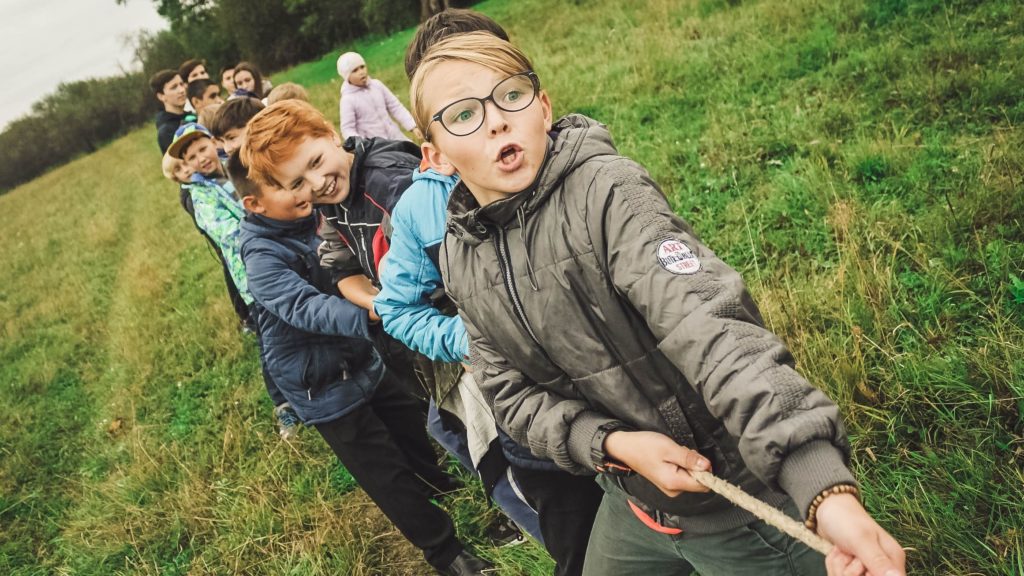
Not every event for your nonprofit will be for adults. You’ll always need some kid-focused events. Ideas 91 through 106 can help you make a plan.
- Movie Nights
- Papier Mâché Parties
- Toy Drive
- Make Your Own Tie-Dye T-Shirt
- Drawing Contests
- Obstacle Course Races
- Scavenger Hunts
- Game Nights
- Kids’ Art Sale
- Face Painting Booths
- Carnivals
- Bake Sales
- Dog Walking
- Storytime Sessions
- Eating Contest
- Chalk Art Festival
91. Movie Nights
Movie nights are family-friendly ways to support a cause, especially one in the theater or the arts. A local movie theater may be willing to host a special viewing of a family-friendly film. You can even put it on yourself with rental projectors, pull-down movie screens, and downloaded films.
92. Papier Mâché Parties
A papier mâché party is a bit of a group project. Paper mâché is very easy to make, and when using a model, pretty easy to work with too. The entire family can work on a papier mâché sculpture together and even participate in a contest for a grand prize.
93. Toy Drive
A toy drive is a heartwarming and tangible way for children to get involved in giving. Encourage kids to donate new or gently used toys to be redistributed to families in need—especially during the holidays. You can turn this into a larger community event by partnering with schools, churches, or businesses as collection points. For busy donors on the go, offer the option to sponsor a toy with a monetary donation.
Tech Tip: Pair physical collection points with an online donation option so supporters can sponsor toys digitally when specific items or ages are in short supply.
94. Make Your Own Tie-Dye T-Shirt
Kids love to make messes, and tie-dye parties certainly are messy! All you need are some large buckets of different color dye baths and white t-shirts. Let the kids twist their shirts into knots, dip them in the water, and create their own designs. You can sell entries with t-shirts to cut back on waste.
95. Drawing Contests
Lots of young, budding artists would love the opportunity to show off their drawing skills. Establish a theme, break it down by age group, and let the kids get creative! You can round it out with an art show or even an auction.
96. Obstacle Course Races
Create a kid-friendly obstacle course and let little adventurers raise pledges to participate. From tire runs to tunnel crawls and water balloon tosses, these events are a blast for participants and spectators alike.
Tech Tip: In addition to (on in place of) entry fees, set up peer-to-peer fundraising pages where each child collects donations for your cause.
97. Scavenger Hunts
Scavenger hunts are another event with big digital improvements. Now you can send clues via an app and help keep track of kids as they play, ensuring a safe, fun experience.
98. Game Nights
Game nights are fun, casual evenings where kids or families can get together to play board games, win small prizes, and even participate in tournaments. For a digital twist, nonprofits can add video games to the mix and allow people to play remotely.
99. Kids’ Art Sale
Let your youngest artists lead the charge! Organize an art show where children’s paintings, drawings, or crafts are displayed gallery-style and sold to raise money for child-focused programs. Parents and community members will love the chance to support both the cause and the little artists. This is one of those rare kid-centric options that can also work well for teenagers.
100. Face Painting Booths
Face painting booths are a staple of just about all summer events, where volunteer artists work for a small donation. Of course, face painting is a difficult skill to master, so make sure you have volunteers with some great creative abilities.
101. Carnivals
Charity carnivals can fit into a lot of categories here, but really, they’re all about the kids. Rides, games, and concessions all become streams of donations as families enjoy the day. Including raffles, auctions, and other entertainment is also a great way to make it a memorable experience.
102. Bake Sales
Bake sales are great for kids because they can either run the booth and collect donations or help in the kitchen by preparing something to sell.
103. Dog Walking
Dog walking is one of the first jobs lots of kids will have, and it can also be their first contribution to a cause. They can volunteer to walk dogs for donations or participate in dog-walking marathons, where they get pledged support from family and friends.
104. Storytime Sessions
Host regular storytime events where kids can enjoy read-alouds from volunteers, staff, or even local authors. These sessions can take place in schools, libraries, or virtually, and you can ask for small donations per session or offer “reading memberships.” This is especially effective for literacy-focused nonprofits or school fundraisers.
105. Eating Contest
Kids love a good eating contest, whether it’s participating or just watching it. Just remember that these events can be a safety hazard if not managed properly, so ensure oversight and safe food preparation ahead of time.
Tech Tip: Require digital registration and waivers in advance to streamline check-in and ensure safety expectations are clearly documented.
106. Chalk Art Festival
Organize a chalk art festival where kids can create sidewalk art, with friends and family giving them peer-to-peer donations to support their participation. You can have a judging panel with prizes for the best creations, or you can just let the kids follow their bliss.

Throw Events People Rave About—And Rally Behind
Take a self-guided tour to learn how Neon One’s event management tools simplify your operations every step of the way so that you can focus on giving your supporters an unforgettable experience.
Nonprofit Fundraising Ideas for Adults

There’s only one thing parents love more than an event for the whole family, and it’s an event that’s just for grown-ups. And adults without kids are pretty big fans of them, too! Here are ideas 107 through 118—no kids allowed.
- Cocktail Mixology Classes
- Mystery Dinner Theater
- Outdoor Adventure Challenges
- Food & Wine Pairing Dinner
- Art & Wine Painting Night
- Poker Tournament
- Fantasy Football League
- Adult Prom
- VIP Movie Screenings
- Gourmet Cooking Classes
- Themed Costume Balls
- Whiskey or Bourbon Tasting
107. Cocktail Mixology Classes
Organize cocktail mixology classes where adults can learn to make their favorite drinks. If you’re looking to partner with a local restaurant for catering your gala events or major fundraisers, teaming up for this mixology class could be a great first step. Consider including a non-alcoholic “mocktail” option (or maybe a whole different class) to include your sober supporters.
108. Mystery Dinner Theater
Arrange a mystery dinner theater night where attendees can enjoy a meal while trying to solve a fictional mystery. This is a great event for theater companies, obviously, but it could also be a joint partnership with another nonprofit. You could even pair this with a silent auction held before the show and during intermission.
Tech Tip: Tie ticketing, seating assignments, and auction participation directly to their donor profile so attendee experience and giving activity are captured together.
109. Outdoor Adventure Challenges
Create challenges like hiking, rock climbing, or kayaking events for adventure enthusiasts, with participants raising funds through peer-to-peer sponsorships. You can also create a version of this fundraiser that’s geared towards kids!
110. Food & Wine Pairing Dinner
Collaborate with local restaurants to host food and wine pairing dinners. As we mentioned in the mixology class section, this type of collaboration could be a good first step towards a longer-lasting partnership that benefits your other events.
111. Art & Wine Painting Night
Organize painting events where participants can create art while enjoying wine, otherwise known as a “Paint and Sip.” Like with any other event where alcohol is a core part of the appeal, you should have a plan in place to help class attendees get home if they find themselves too tipsy to drive.
112. Poker Tournament
Host a poker tournament with an entry fee, and offer prizes for the top players. Ensure that a portion of the buy-ins goes to your nonprofit. Treat this like an auction event and solicit prizes from local businesses and major donors.
113. Fantasy Football League
Sponsor a fantasy football league (or several leagues) where entry fees go towards your nonprofit while you secure in-kind donations from local businesses as prizes. Beyond scoring participants and prizes, this option is pretty low maintenance.
114. Adult Prom
Organize an adult-themed prom night with a DJ, dance floor, and nostalgic prom atmosphere. Charge for tickets and offer prom-themed activities like photo booths, limo rides, etc. Whether you want to serve alcohol is up to you, but playing Chumbawamba is non-negotiable.
115. VIP Movie Screenings
Partner with a local movie theater for exclusive movie screenings with VIP treatment, including pre-movie cocktails and snacks. If there’s a movie that ties into your nonprofit’s mission, that’s great—but you should probably prioritize a fun evening (and movie) over a thematically appropriate one.
Tech Tip: Track ticket purchases and concessions or cocktail add-ons together so you can evaluate which parts of the VIP experience drive the most revenue.
116. Gourmet Cooking Classes
Offer gourmet cooking classes led by professional chefs. Participants can pay to learn new culinary skills and enjoy a fine dining experience. You can work with the chefs to create a menu that has some pairing or resonance with your mission and programming.
117. Themed Costume Balls
Host themed costume balls, like a masquerade or a 20s-themed gala, with live entertainment and a dress code. Charge for entry and offer prizes for the best costumes. This is the kind of evening-type event where offering a childcare option for parents will be much appreciated.
Tech Tip: Use online RSVPs and optional childcare sign-ups to estimate attendance accurately and coordinate logistics ahead of the event.
118. Whiskey or Bourbon Tasting
Organize tasting events focused on whiskey or bourbon, with experts guiding participants through the tasting process. See if any of your board members or major donors have connections with local spirits suppliers who would be willing to sponsor!

26 Top Event Management Software Solutions for Nonprofits: 2026 Buyer’s Guide
From Fundraising Ideas to a Real-World Plan
Picking the right fundraising idea is only the first step. To turn it into real results, you need a clear plan—one that maps out your goals, audience, timeline, and tactics before you start promoting your event.
That’s exactly what our Nonprofit Fundraising Plan Template is designed to do. It helps you connect fundraising ideas to a bigger strategy, prioritize what matters most, and stay focused as your campaign unfolds—without reinventing the wheel.
Best of all, it’s free and easy to use. Get it now and get planning!
Nonprofit Fundraising Plan Template
Nonprofit Fundraising Ideas FAQs
The most effective fundraising ideas for nonprofits are the ones that match your audience, goals, and capacity. For many organizations, proven options include auctions, galas, peer-to-peer events like 5Ks, and raffles because they combine clear incentives with strong donor engagement. Effectiveness isn’t just about total dollars raised—it’s also about donor retention, acquisition, and long-term relationship building.
High-profit fundraising events typically include galas, auctions, casino nights, and large peer-to-peer campaigns. These events generate strong returns by layering multiple revenue streams—ticket sales, sponsorships, auctions, and donations—while focusing on donors with higher giving capacity. They do require more planning, so they’re best suited for organizations with sufficient staff or volunteer support.
Easy fundraising ideas for small nonprofits include raffles, pancake breakfasts, potlucks, trivia nights, yard sales, and book sales. These fundraisers are low-cost, volunteer-friendly, and quick to launch. Many small organizations also find success with virtual fundraisers, like giving anniversary emails or flash matching campaigns that require minimal logistical overhead.
\u003cbr/\u003eNonprofits with limited staff should prioritize fundraising ideas that are repeatable and technology-supported. Peer-to-peer fundraisers, virtual challenges, raffles, and automated email campaigns allow supporters to do much of the fundraising work for you. Choosing events that don’t require complex logistics or frequent in-person coordination helps prevent staff burnout.
For first-time fundraisers, it’s best to start with familiar, low-risk ideas like trivia nights, raffles, movie nights, walkathons, or small community events. These formats are easy for supporters to understand and participate in, which reduces friction and increases turnout. As you gain experience, you can expand into more complex or higher-revenue events.
The best fundraising idea depends on three factors: your audience, your goals, and your capacity. Ask yourself who you’re fundraising with (families, major donors, volunteers), what success looks like (revenue, engagement, new donors), and how much time and support you have available. The strongest fundraisers align all three—and are easy for supporters to say “yes” to.
Yes—virtual fundraising ideas can be just as effective as in-person events when executed well. Online campaigns like peer-to-peer challenges, livestream fundraisers, giving anniversary emails, and virtual auctions often reach wider audiences and cost less to run. Many nonprofits see the best results from hybrid approaches that combine online giving with in-person participation.
Fundraising ideas that emphasize fun, social participation, and low commitment—such as trivia nights, karaoke, benefit concerts, community races, and virtual challenges—are especially effective for attracting new donors. These events feel approachable and mission-adjacent without requiring a deep prior relationship with your organization.
Nonprofits should measure fundraising success using key performance indicators (KPIs) such as total revenue raised, cost to raise a dollar, donor retention rate, number of new donors acquired, and average gift size. Tracking both financial and engagement metrics helps you understand not just how much you raised, but why the fundraiser worked—and how to improve the next one.
Most nonprofits benefit from running a mix of one or two major fundraising events per year alongside smaller, recurring campaigns. Large events drive significant revenue, while smaller or virtual fundraisers maintain momentum, engagement, and consistent donor touchpoints throughout the year. The right cadence balances impact with sustainability.