

— KEY TAKEAWAYS
The year-end giving campaign ideas in this article fall into five groups: story-led campaigns, campaigns built around a specific ask, campaigns where your community does the asking for you, gratitude-led campaigns, and extending your GivingTuesday theme. Find one that speaks to you and take it from there, or combine two or more.
- Story-led: tell a story, a success story or one in progress, or go behind the scenes with your staff and volunteers.
- Built around a specific ask: work toward a goal, fund a program, or focus on recurring giving.
- Let your community ask: get your board involved, try peer-to-peer fundraising, or let others ask for you.
- Gratitude-led: focus on gratitude, or do a year in review.
- Build on your GivingTuesday campaign by extending the theme to the rest of your end-of-year activities.
Looking for year-end giving campaign ideas? You’re not alone! It’s an important topic. Whether you’re a seasoned fundraiser with hundreds of appeals under your belt or are getting ready to launch your first campaign, planning your end-of-year campaign can be tough.
How do you inspire your donors to give when they’re distracted by the hustle and bustle of the holiday season? What can you do to stand out from the dozens of other fundraising campaigns they’ll see this year? How can you create a campaign that feels compelling and exciting?
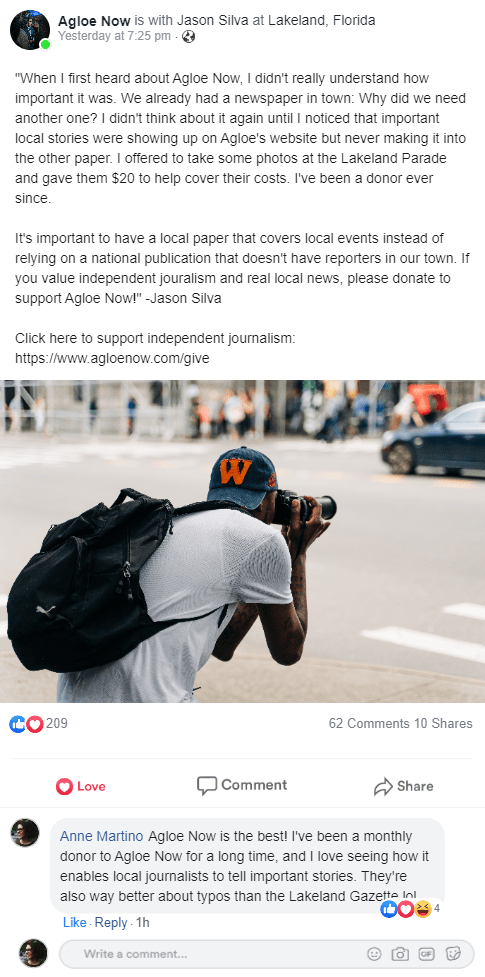
Sometimes, all you need is a little nudge that will spark your next great idea. That’s why we’ve compiled these end-of-year campaign ideas. Find one that speaks to you and take it from there—or combine two or more ideas to create your own unique campaign!

Want Some Help With Your Year-End Appeals?
These templates are just what you’re looking for! Use the prompts, best practices, and fundraising tips to write compelling appeals your donors will love.
Year-End Giving Campaign Idea #1: Tell a Story
Creating a story-driven campaign is a tried-and-true fundraising method. There are two different approaches you may want to take.
The first tactic is to start with a success story and then invite donors to provide similar positive outcomes for other clients.
An advantage of this story format is that it indicates to potential and existing donors that they can make a real, tangible impact on someone’s life by supporting your nonprofit.
If you really want to drive home to potential donors that supporting your work is a valuable way to help their community, this could be the approach for you.

The second approach would be to tell a story in progress and invite donors to be a part of it. This is a great way to get your audience invested in a story and excited about getting involved.
If you’re looking to run a campaign that gets your audiences excited about supporting a program or project that’s already underway, this might be a good choice!

Another advantage of story-driven campaigns is that they work easily with lots of other fundraising tactics. Everyone loves a good story!
Year-End Giving Campaign Idea #2: Work Toward a Goal
Humans love working toward a goal. Even better, humans love reaching a goal!
In this year-end campaign, you’ll set a fundraising goal and invite donors to join together to make it happen. This is a great tactic to use if you’re raising money for something tangible or specific, like buying an important piece of equipment or funding a specific program.
Here’s a tip: Ask a few dedicated donors (your board members would be a great option) to make a gift before you launch your campaign. Donors love reaching goals, but people can be funny about giving to a campaign that no one else has supported yet.
Have you ever noticed how restaurants and cafes will sometimes put a few bills in a tip jar at the beginning of a shift? It’s the same idea!

Year-End Giving Campaign Idea #3: Fund a Program
Do you have a program that’s popular with your donor base? Use it as the basis of your end-of-year campaign!
This tactic works particularly well when combined with some strong storytelling elements that include details about your program, who benefits from it, and why donors should fund it

Year-End Giving Campaign Idea #4: Focus on Recurring Giving
Instead of asking for one-time gifts, try asking for recurring gifts.
This is a great way for donors to make a big difference without giving a huge donation upfront. $10 or $20 a month is within the realm of possibility for many people, and that money adds up!
Just make sure you include the option to make a one-time gift, too.
You can make your campaign even more engaging by creating a name for your recurring donor program.
People love being part of something bigger than themselves, and joining a group of like-minded individuals to make a difference can be very appealing.

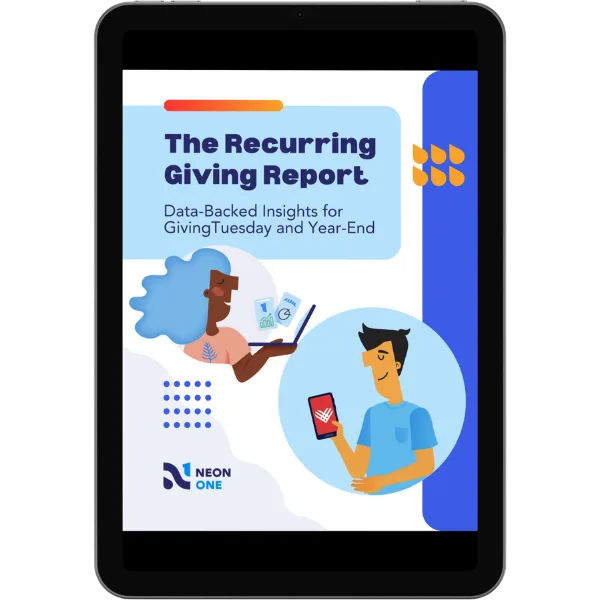
Recurring Giving Insights for GivingTuesday and Year-End
How do recurring donors behave at the end of the year? If you want to expand your recurring giving program via your year-end campaign, this extension of The Recurring Giving Report is for you.
Year-End Giving Campaign Idea #5: Focus on Gratitude
Switch it up a little! If you want to show your supporters a little extra love this year, this tactic is for you.
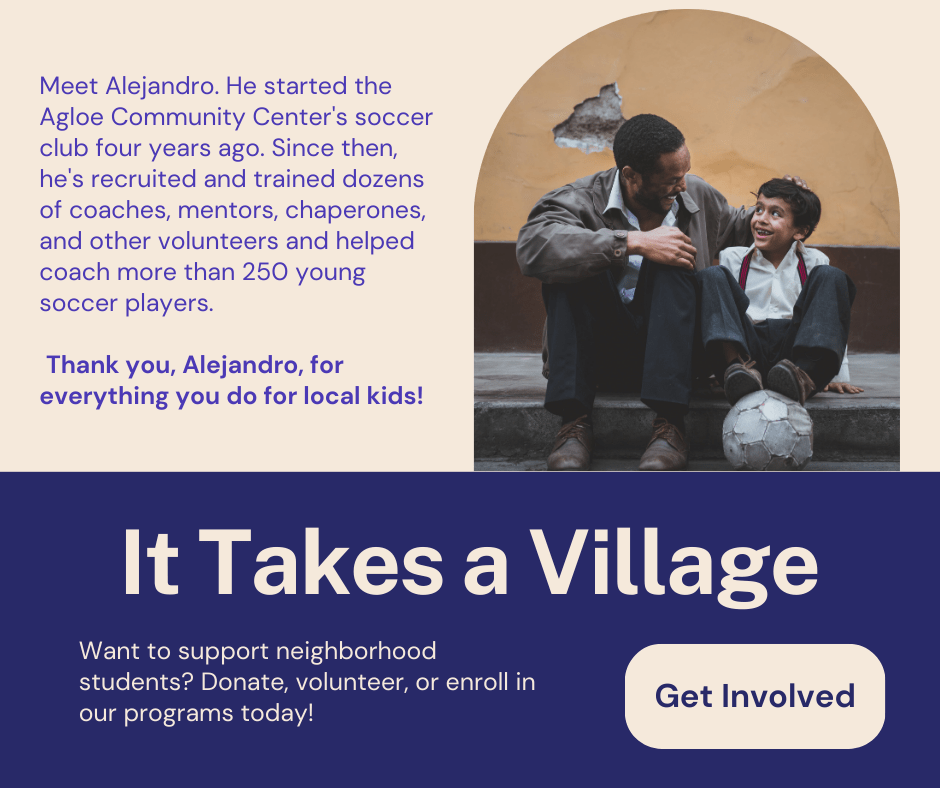
Prioritize thanking your community and highlighting the people who make your work possible. Spotlight donors, volunteers, staff, board members, etc., and celebrate their impact.
Then, invite others to join your community by supporting your work.
Year-End Giving Campaign Idea #6: Get Your Board Involved
Have you ever wished your board members were more engaged in your fundraising activities? Here’s your chance!
Getting board members to ask for money can be challenging, especially if they don’t have fundraising experience.
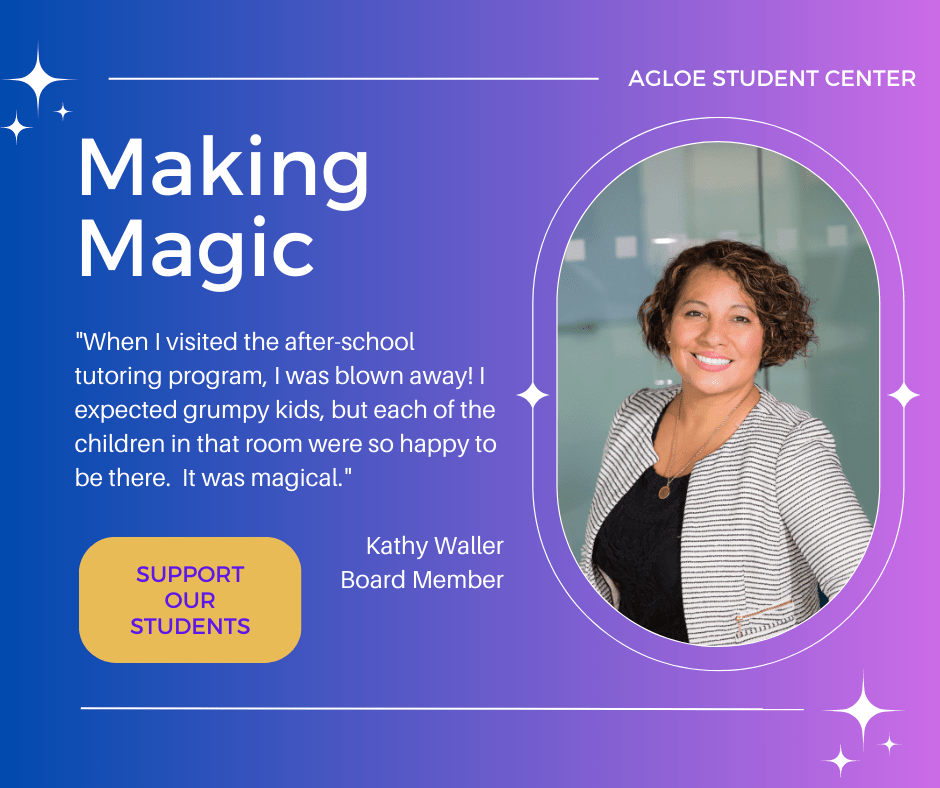
Instead, collect their favorite stories or ask them about why they choose to support your nonprofit. Then, use their answers as the basis for appeals or posts.
Year-End Giving Campaign Idea #7: Go Behind the Scenes
Fundraising is all about building connections. Many fundraising campaigns work to connect donors to the nonprofit’s clients, which is very effective!
You can also take the approach of establishing connections between your donors and other people who support your work.
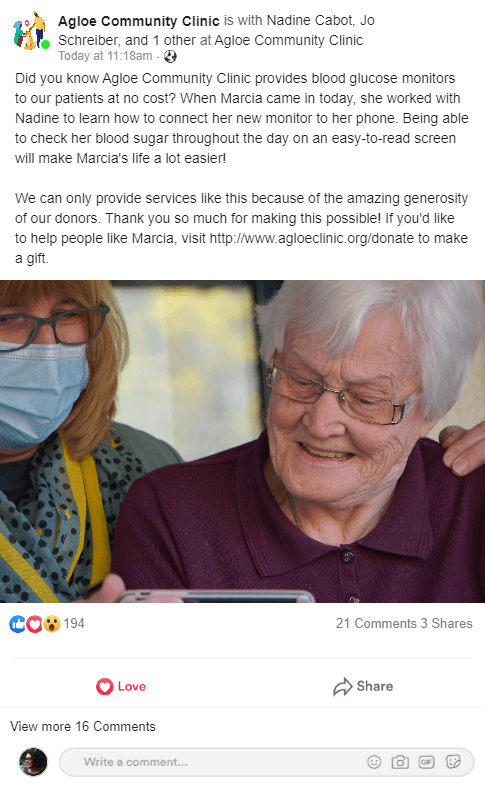
Instead of spotlighting client stories, try showing your donors how your staff and volunteers are making a difference.
Highlight day-to-day life at your facility, volunteer activities, etc., and invite people to support that work by making a donation.
Year-End Giving Campaign Idea #8: Try Peer-to-Peer Fundraising
Do you have a base of highly engaged donors or volunteers? Create a peer-to-peer campaign, recruit participants, and equip them to raise money on your behalf.
Running a peer-to-peer campaign can be a lot of work, but it’s also a great way to involve your volunteers, loyal donors, board members, and others in your community.
If you have the time and resources to set your participants up for fundraising success, this might be a great choice for you.


Looking for Better, Safer Ways to Use AI?
The AI Xchange, by Neon One, is a resource hub that helps you use AI efficiently and safely—so you save time without risking donor trust.
Year-End Giving Campaign Idea #9: Let Others Ask for You
Peer-to-peer campaigns can be very effective, but they take a lot of work. If you like the idea but don’t have the resources, invite others to ask for support for you!
Ask donors, volunteers, clients, board members, and other supporters to create short videos, posts, or even simple letters explaining the impact donors can make when they give to your cause.
Then, use those assets on your social media posts, in appeal letters, and in impact updates later on.
This tactic has several benefits. You get lots of content to share with your audience, and this kind of guest content lends valuable social proof to your campaign.
Year-End Giving Campaign Idea #10: Do a Year In Review
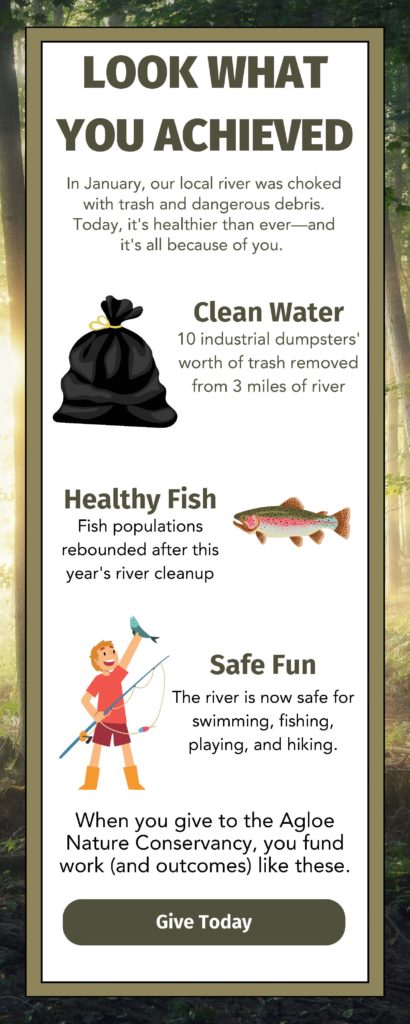
Reminisce about everything you and your donors have achieved together over the past year, highlight big milestones, and prioritize thanking your community for their support.
Invite people to join the movement or keep up the momentum by donating.
Year-End Giving Campaign Idea #11: Build on Your GivingTuesday Campaign
Keep the theme from your GivingTuesday campaign and extend it to the rest of your end-of-year fundraising activities!
This is an especially useful tactic for organizations whose donor bases showed enthusiasm for the original campaign.
An advantage of this tactic is that it helps create a memorable campaign that sticks in your audiences’ minds.
When they see multiple posts, emails, appeals, and updates all on a similar topic, they’ll be more likely to remember your campaign and get involved.

Get Your GivingTuesday Templates, Guides, and More!
Neon One’s GivingTuesday Resource Center has all the resources you need to craft an unforgettable campaign and kick off your year-end giving push.
Use These Tactics to Make Your Year-End Campaign More Effective
Even the most innovative year-end fundraising campaign ideas will be unsuccessful if they’re not supported by good strategies. As you plan your end-of-year campaign, use these tactics to reach your audience and inspire them to get involved.
Tactic #1: Lead With Gratitude
“Thank you” is a powerful phrase, especially when you’re running a fundraising campaign.
When you address donors as partners in your work and express gratitude for their support, you do two things. First, you signal to existing donors that you recognize and value their involvement. Second, you tell potential donors that their support will be seen and appreciated.
This also sets the stage for better donor retention in the future.
Tactic #2: Segment Your Appeals
Your donor base includes lots of different groups of people.
Some may have given their first gift earlier this year. Some may be monthly donors. Some may have given last year but haven’t made another donation this year.
You’ll have small donors, large donors, and donors that fall somewhere in between. One-time donors, recurring donors, and even donors to different campaigns—each unique group has their own relationship with your organization.
Segmenting your appeals to make them extra-relevant to different audiences gives you the opportunity to engage your supporters in a way that feels very personal.
You may not be able to create unique appeals (or even the same appeal that’s been slightly tweaked for different groups), but even simple segmentation can have a big impact on your fundraising.
Tactic #3: Update Recent Donors First
When was the last time you updated your existing donors on how their support made an impact in your community? If it’s been a while, make sure you report back to your donor base before sending them another appeal.
This is especially important if you’re sending appeals to people who donated during GivingTuesday or earlier in the month.
Think of it this way: Pretend you gave your kid (or another family member) some money. A couple of weeks later, they ask you for some more—but they never tell you what they did with the first gift you gave them. How likely are you to give them more cash?
When you ask someone for a gift without sharing how you used the first one, they’ll be far less likely to donate. Before you launch your year-end campaign, send your donors a quick thank-you letter and update.

Tactic #4: Use Multiple Channels
Have you ever heard the phrase, “Don’t put all your eggs in one basket?” It’s so common it hardly means anything anymore… but it’s an important reminder, especially when you’re planning an end-of-year fundraising campaign.
As you plan your communications during this busy time of year, don’t rely solely on any one channel to raise money. Sharing your message through direct mail, email, social media, and other channels will help you reach your audience more effectively.
Someone may miss your appeal in the mail, delete an email, or scroll by a social post—having multiple “touches” will make it more likely that someone sees your message, remembers it, and acts upon it.
Tactic #5: Streamline the Donation Process
If you’re using multiple channels, your donors could see and respond to your appeal in lots of different ways. Whether they’re reading a direct mail appeal or scrolling through social media, it should be easy for them to give. Take steps to make that happen!
For direct mail campaigns, check your remit slips. Are they large enough to fill out easily? Did you include a self-addressed, stamped envelope so they can mail it immediately?
Next, take a look at your email and social media appeals, and make sure you include plenty of links to your donation form.
If someone goes directly to your nonprofit’s website, they should be able to find your donate button quickly and navigate to your donation form with a single click.
Your donation form itself should make the giving process quick and easy. Don’t include lots of extra fields—if you want to collect extra information about your donors, try sending them a donor survey after they give instead.
Once you’ve cleaned up your donation form, submit a test donation on both your desktop and your mobile device. The process should be simple, whether someone’s on their computer or on their phone.
Tactic #6: Automate Your Follow-Ups
You probably already have an automated receipt set up, right? That’s a great start! You can create an even better experience for your donors by automating other things, too.
If you can, try automating things like thank-you emails, impact updates, new donor welcome series, and even staff reminders for personalized outreach.

Turn Your Year-End Giving Campaign Ideas Into Reality
Year-end giving season is a huge opportunity—and a huge undertaking. You’ve got donors to inspire, stories to tell, and emails to write. But you don’t have to start from scratch.
If you’re staring at a blank page wondering how to kick off your appeal, we’ve got you covered. Our free Year-End Fundraising Letter Templates include copy for one-time appeals, multi-part email series, New Year’s Eve reminders, and even thank-you notes. They’re packed with helpful prompts and proven best practices to help you write messages your donors will actually want to read (and respond to).
Whether you’re sending your first-ever year-end appeal or looking to fine-tune your fundraising strategy, these templates will save you time and help you raise more.
Frequently Asked Questions About Year-End Giving Campaign Ideas
You don’t have to pick just one: find an idea that speaks to you and take it from there, or combine two or more to create your own unique campaign, since storytelling in particular works easily with lots of other fundraising tactics.
Some combinations are natural. Funding a specific program works particularly well alongside strong storytelling elements: details about the program, who benefits from it, and why donors should fund it. A recurring giving push pairs well with creating a name for your monthly donor program, because people love being part of something bigger than themselves. Building on your GivingTuesday campaign is already a combination, since you’re extending a theme your audience responded to across the rest of your end-of-year activities.
One caution. If you’re asking for recurring gifts, make sure you include the option to make a one-time gift too.
Standing out has less to do with finding a more innovative idea than with the year-end marketing strategies supporting it, because even the most innovative year-end fundraising campaign ideas will be unsuccessful if they’re not supported by good ones: gratitude, segmentation, reporting back before you ask again, and multiple channels.
Lead with gratitude. Addressing donors as partners signals to existing supporters that you value their involvement, and tells potential donors their support will be seen and appreciated.
Report back before you ask again. If it’s been a while since you updated donors on their impact, send a thank-you and an update first, especially to people who gave on GivingTuesday or earlier in the month. Imagine giving a family member money, then having them come back for more without ever saying what they did with the first gift.
Then make sure the message lands. Direct mail, email, and social media together make it far more likely someone sees your appeal, remembers it, and acts on it.
Peer-to-peer campaigns take a lot of work and are worth running only if you have the time and resources to set your participants up for fundraising success, so if you like the idea but lack the resources, invite others to ask for support on your behalf instead.
The lighter version works like this: ask donors, volunteers, clients, board members, and other supporters to create short videos, posts, or even simple letters explaining the impact donors can make by giving to your cause. Then use those assets in your social media posts, in appeal letters, and in impact updates later on.
You get two things out of it. One is a supply of content to share during a month when you’re producing more than usual. The other is social proof, because guest content shows your audience that you and your community are working together to make a difference.

Author Bio
Abby Jarvis, Head of Research and Editorial
Abby Jarvis is a writer, marketer, and speaker at Neon One, and she’s passionate about giving nonprofits the tools they need to connect with their supporters. Her 13 years in the nonprofit technology industry have been dedicated to understanding how and why donors support their favorite causes, studying donor trends and behavior, and sharing data-backed best practices that nonprofits can use to build successful fundraising programs.