

— KEY TAKEAWAYS
Choosing the right membership structure and naming conventions can transform how constituents engage with your organization.
- A successful membership program that generates rising engagement is the result of careful planning, hard work, and long-term commitment.
- Membership programs give organizations the ability to develop dedicated supporters and build deeper relationships with them.
- Nonprofit membership levels generally fall into four primary types: One-Size-Fits-All, Tiered Benefits, Different Categories/Demographics, and Free.
- Creating customer-focused membership level names is critical for conversions, so using impact-driven, creative, or descriptive names is recommended over generic pricing tiers.
Are the membership levels your nonprofit offers to your constituents really that important?
Yes! And here’s why.
When supporters are highly engaged with an organization, they typically:
- Feel a sense of personal connection with the cause
- Show a steady pattern of increased activity, like volunteering, donating, and attending events
- Act as an interconnected community that engages not just with the organization but with each other as well
To foster this kind of meaningful engagement, many nonprofits choose to build membership programs. Membership programs give organizations the ability to develop a solid group of devoted supporters, building deeper relationships with them by keeping them involved in their work.
Building a successful membership program that generates rising engagement is no easy task. It requires a lot of careful planning, hard work, and long-term commitment.
For this article, we’ll focus on one key step—choosing membership levels that are interesting and desirable for your community.
Let’s get started!
Looking for Better, Safer Ways to Use AI?
The AI Xchange, by Neon One, is a resource hub that helps you use AI efficiently and safely—so you save time without risking donor trust.
The Benefits of Membership Levels
Since no two organizations are the same, every nonprofit will have different goals for their unique membership program.
But, as you work to provide perks and incentives to your own members, you may discover that offering a variety of membership levels can be beneficial for your community and your organization alike.
Some of those key benefits might include:
- Developing a loyal group of supporters: When you build thoughtful levels, you’ll be able to use the membership model to establish and engage a strong network of supporters with membership advantages and opportunities that they find valuable.
- Consistent financial data: Many organizations don’t view their membership tiers as part of their fundraising. But member dues are financial revenue that you can rely on, and they’re a budget category that won’t change drastically year over year, the way other categories might.
- Special ways to say “thank you”: Every nonprofit—with or without a membership program—needs a plan for thanking their supporters. But different membership tiers are a way to organize specific benefits by level, which makes it easier for you to thank your supporters by offering exclusive access to different benefits and recognizing their support in unique and personal ways.
- Providing incentives to increase engagement: Good membership levels provide opportunities for supporters to deepen their involvement with your organization. These members are motivated to be more active and get even more engaged with your nonprofit and your work.

The 4 Main Types of Membership Levels
The way your membership levels are structured will depend on your goals.
What’s your vision for your membership program? Do you want to increase revenue? Are you primarily focused on growing brand awareness and your supporter community?
There are lots of options to choose from when you’re setting up your levels.
1. Single Membership Option
For some organizations, offering just one universal membership tier is the best fit.
This may be a good option for you if you don’t currently have the resources or people in place to manage a multi-tier membership program.
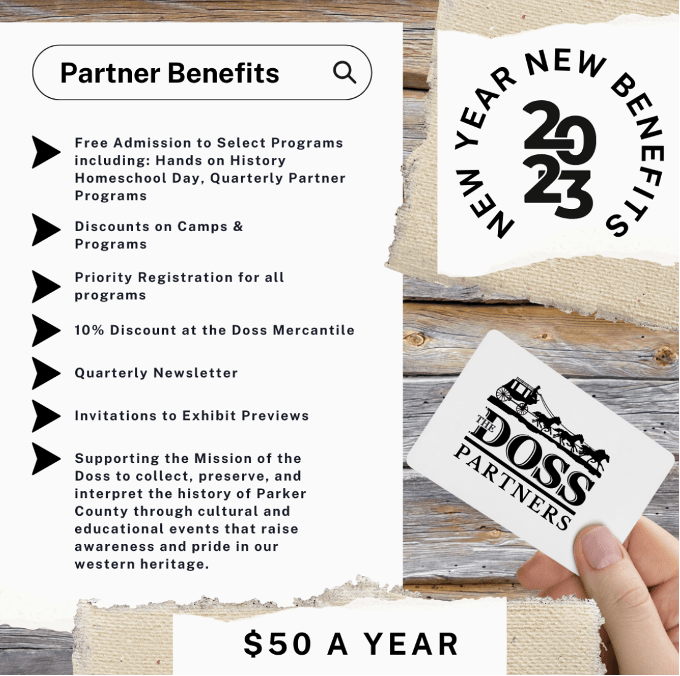
With one level, you’ll ask people to purchase a membership priced at one set amount per time period (often monthly or annual dues). Want an example? The Doss Heritage and Culture Center is an excellent example of a single membership level that further encourages its members to engage in the cultural and educational aspects of its mission.
2. Based on Benefits
Another common way to structure your membership tiers is with the benefits offered to members. As the cost of membership increases, so do the benefits of being a member!
Offering benefits that members find worthwhile can be a great way for organizations to encourage members to stick around and stay active.
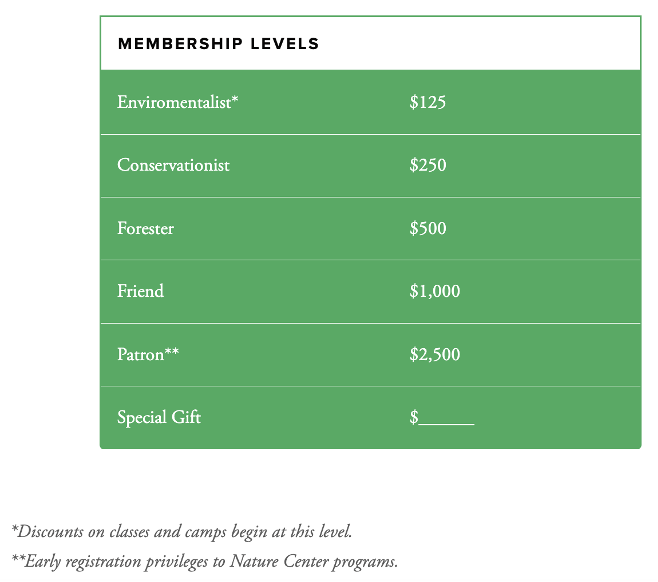
Here’s what that looks like in practice. On the “Become a Friend” page of their website, Friends of Rye Nature Center shares their five membership levels, each of which comes with its own roster of benefits. Their benefits include discounts on classes and camps, early registration privileges, and weekly email updates. Read more about their membership structurehere.
3. Categories or Demographics
Different categories of people are able to participate in your nonprofit’s work in different ways. For example, a business might be interested in membership benefits that an individual or a family wouldn’t be.
Offering special membership levels to individual groups allows you to provide benefits that are relevant to different demographics at a cost that best aligns with their circumstances.
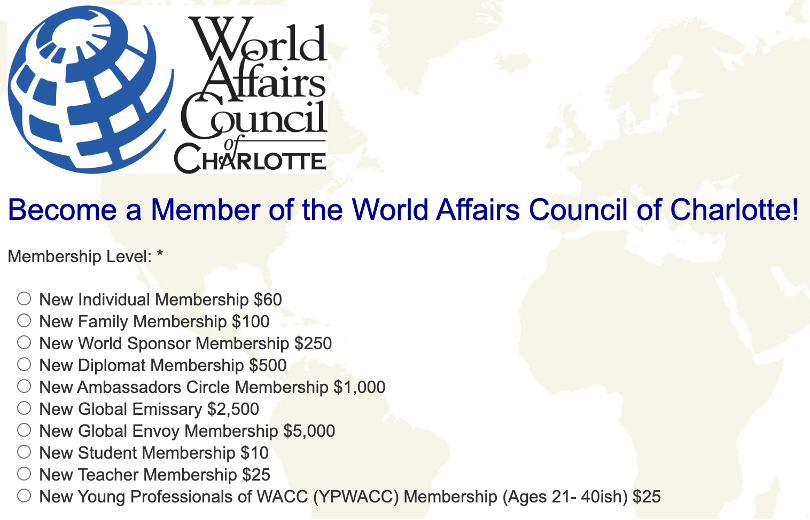
The World Affairs Council of Charlotte (WACC) has a diverse offering of membership types, including levels that are exclusively for students, teachers, and young professionals. Each level includes its list of basic benefits, while certain levels enjoy added benefits.
4. Free Tier
If fundraising is a major goal of your organization’s membership program, a free tier may not be the best option. But a free membership tier does come with some advantages you may want to consider.
Free memberships give you the ability to collect data you can use to keep in touch with potential paying members, through membership marketing.
A free tier can also serve as an easy entry point for people who are interested in your organization but aren’t ready to fully dive into a membership.
Again, choosing the best structure for your organization’s membership levels will be determined by your goals, industry, vision, and resources. There are pros and cons to each structure for every nonprofit.!
While offering only a single level keeps memberships simple and streamlined, for example, you’ll want to remember that this option also prevents you from asking members to increase their financial commitment and move up to the next level.
Every organization is different—carefully build the membership program that is the best fit for your operations and donor base.

How to Create Membership Levels That Drive Retention
At their core, membership programs involve an exchange of benefits between a nonprofit and a supporter.
The benefits for a nonprofit aren’t always financial, but memberships often include regularly scheduled payments or donations, volunteer hours, and other support. That’s a valuable source of reliable revenue!
So, how can you create membership levels that make people want to click the “join now” button and stay around for years to come? Start by asking yourself these five questions:
What can we offer members that will keep them engaged?
Nonprofit membership levels are mutually beneficial relationships, and their benefits keep people renewing their memberships year after year.
Thankfully, you don’t have to decide what benefits are valuable on your own. Survey your current supporters for feedback. What caused them to join? What makes them stick around? What type of benefits would they like to see in the future? What have they enjoyed or found valuable in the past?
If you haven’t run a membership program before and can’t ask existing members, ask some of your loyal donors, volunteers, or community advocates.
How will we structure members-only communications?
Feeling “in the know” and like they’re a part of your organization’s greater community are big membership perks for many people. But good communication doesn’t happen by accident!
This takes intentional, strategic planning. As you build your membership program and create your membership levels, plan how you’ll communicate with your members through special newsletters, online forums, a members’ website, or other methods.
You can also send reminder emails to members when their membership lapses or is about to expire. This helps prevent lapsed memberships, which is good for both you and your members!
What types of special events would our members find valuable?
From galas to networking events to industry education opportunities, nonprofit membership programs tend to work really well with events.
Being able to attend these exclusive events can be a big draw for members, but they’ll only attend if they find the events valuable.
Think about your supporters and the events they would want to attend. Better yet, ask them!
What do they want to learn? How are they most likely to volunteer? What do they believe is worth taking time out of their schedule to attend?
What will we do to make members of each level feel appreciated?
While every membership level won’t include the same benefits, it’s crucial to make sure every level gets a special “thank you” on a regular basis.
The best way to make sure this happens is by planning ahead. What can you do to make your members feel special? Member spotlights in your newsletter, welcome kits, a welcome email series, surprise packages, and thank-you notes are just a few options.
Do we have a progression plan in place to encourage members to move to the next level?
In any nonprofit membership program that includes multiple membership levels, there should be incentives for members at lower levels to move up. This can be another part of your member communications strategy!
When creating a plan to encourage members to move up, consider how you’ll show them what that action means for your organization and what they’ll see in return.
Nonprofit membership levels can be powerful tools for inspiring supporter retention and engagement. With a healthy amount of planning and a commitment to providing value to your supporters, your membership levels help you build a stable, sustainable future for your org.

Naming Your Membership Levels: 6 Tips for Success
Once you’ve outlined your membership levels, you’ll need to name them. That might sound simple, but the names you choose can shape how your members understand and experience their involvement.
Your level names don’t need to be flashy, but they should be clear, mission-aligned, and easy to understand. Here are a few tips to keep in mind:
1. Tie Names to Your Mission or Community
The most effective membership level names are the ones that reflect who you are. A historical society might use names like Archivist, Curator, or Historian. An animal rescue group could go with Ally, Protector, and Champion. The goal is to help members feel like they’re part of something bigger—not just paying for perks.
2. Make Progress Clear
Membership levels often come with increasing benefits, so make sure your names show a natural progression. Think Supporter, Advocate, Leader—or Bronze, Silver, Gold if you want to keep it classic. Avoid names that confuse or feel out of order. You want people to know where they stand and what they could level up to.
3. Keep It Simple
This is a good rule of thumb for just about everything in membership programs, and naming is no exception. If you have to explain what your level names mean, they’re probably too complicated. Choose words your members will understand without needing a glossary.
4. Highlight Benefits When It Makes Sense
If one of your levels includes something special—like early access to events or a free t-shirt—consider baking that into the name. Titles like Premium (Includes T-Shirt) or Champion – Early Access can help your audience see the value at a glance.
5. Avoid “Good, Better, Best” Language
It’s totally fine (and often helpful!) to structure your levels in a tiered way, but try not to make lower levels feel like a consolation prize. Use names that feel respectful, empowering, and inclusive at every level.
6. Ask for Feedback
If you’re not sure which direction to go, ask! Send a quick survey to your current members or float ideas past your board. Getting a little outside perspective can help you land on names that really resonate.
Check Out Our Free Membership Resources!
We’ve got everything you could ever want to know about managing memberships—plus templates, checklists, and guides that will help you put your plans into action.
Grow and Sustain Your Membership with Neon CRM
In this article, we’ve walked through the key ingredients of a successful membership structure—clear level types, thoughtful naming, and strategies for keeping supporters engaged for the long haul. Whether you’re just getting started or looking to refresh your existing program, the right tools can make all the difference.
Neon CRM is built to support every part of your membership journey. From setting up custom levels and automating renewals to tracking member activity and staying in touch, it’s everything you need to grow and sustain a thriving community of supporters.
Ready to take the next step? See Neon CRM in action and find out how it can help your membership program shine.