
Onboarding a new volunteer is incredibly exciting. But, beyond getting volunteers trained and ready to go, keeping them around is a crucial endeavor for every nonprofit. Volunteer retention strategies, like donor retention strategies, are an important way to keep your biggest supporters—the loyal folks who volunteer their time—engaged.
In this article, we’ll dig into some practical steps you can take to keep your volunteers excited about working with your organization.
Go Beyond Donation: The Value of Volunteers
Learn how to build a thriving volunteer program that strengthens your community and amplifies your mission’s reach – download the Generosity Report now!
Volunteer Retention Strategies Are Easier With the Right Tools
The best way to prioritize volunteer retention? Invest in and utilize a volunteer management system. You’ll get a 360-degree view of your volunteers that you can use to track their interests, communications, and volunteer hours in the most efficient way.
But remember: Technology isn’t a silver bullet that will magically help you keep your volunteers engaged. Your technology should support the personal relationships your volunteers have with your staff and clients.
Now, let’s take a look at some tips and strategies to incorporate into your organization’s volunteer retention efforts:
1. Prioritize Volunteer Retention From The Start
As the popular adage goes, “You never get a second chance at a first impression.” That sentiment definitely applies to working with volunteers. It’s easy to start your relationship with a volunteer on the wrong foot.
One common mistake nonprofits make is talking too much about themselves without emphasizing the difference volunteers make in the organization’s work. Another is diving right into hands-on work without a volunteer onboarding and orientation process that connects volunteers to the organization and its impact (the impact they’ll help make!).
This is why you should focus on building a personal connection between your volunteer and your organization. Tell them how they’ll make a great impact on your community, and spend some time getting to know them!
Take the opportunity to learn more about your volunteers, understand their motivations, and set the stage for a great relationship with them. Here are some questions you can ask:

How did you hear about us?
This is an especially important question if you’re actively working to build a larger base of volunteers. If you notice a large influx of volunteers from one particular campaign, you can spend more time and effort on that channel.
What motivated you to get involved?
Understanding your volunteers’ motivations can deepen their relationship with your organization. When you work with them, reiterate how they’re making a difference in the causes or areas that inspired them to get involved.
What type of projects are you interested in?
Volunteers will be more likely to continue donating their time and skills when they’re doing work they like. Asking this question will help you identify different volunteer opportunities that they’re most likely to enjoy.
Do you have any special or technical skills?
After you get a feel for which projects they’re interested in, asking your volunteers what skills they can bring to your organization will help you find the perfect project for them. You’ll help them use their diverse skills to support projects they find enjoyable.
How do you prefer to be contacted?
Communication is key in any relationship, including the relationship between a nonprofit and its volunteers. Knowing the best way to contact your supporters will make it easy to stay in touch with this invaluable group.
What resources do you need from us?
Your volunteers are donating their time, effort, and skills. They’re also probably donating their money; 76% of people who volunteer for an organization also donate! Asking this question and getting your volunteers the resources they need will establish a reciprocal relationship between you two and make it more likely that they’ll stay involved long-term.
2. Track Your Organization’s Volunteering Data
Do you already know your volunteer retention rate? What about where your volunteers heard about your organization? Or how many volunteers opened your last email?
After you get to know a little bit more about your volunteers and their interests, you’ll need a way to track those important metrics. You can use volunteer management software to do this or create your own system that works for your organization’s needs.

Neon One Tip: In Neon CRM, users can create volunteer opportunities that are open to applications or close projects and assign existing volunteers to the task.
Learn More About Neon CRM
Tracking volunteer data will help you segment volunteers and communicate with them effectively. You should also store data like volunteering hours and communication stats, so you can identify your most engaged (and least engaged) volunteers.
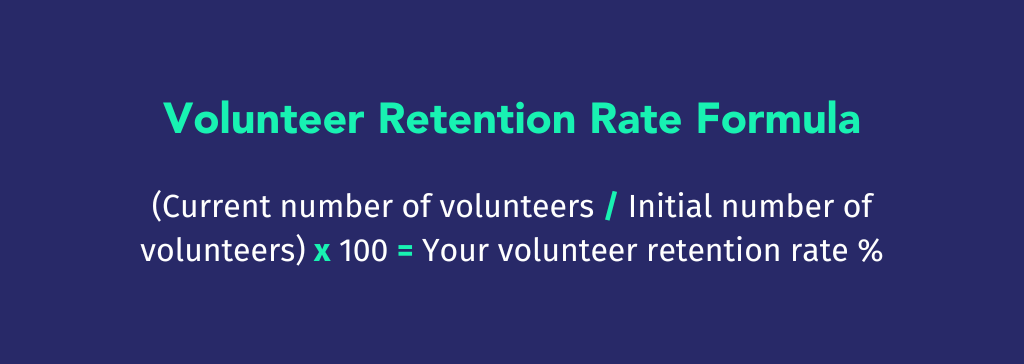
If you don’t already know your volunteer retention rate, let’s find it out! This simple metric is a really important one, and you calculate it very similarly to how you calculate your donor retention rate.
Here’s the formula!
3. Provide Volunteers With Resources
Even though volunteers are signing up to help your organization, they may need some resources or benefits from you in return.
Take the time to uncover and understand your volunteers’ interests, skills, and what they need to do their jobs. Then, take steps to give them the tools and resources they need to support your work.
Here are some examples of volunteer resources you can provide:
- Access to software or hardware they need while on-site
- Training on processes and procedures they’ll need to do their job well
- Any information they’ll need as they serve your community, such as best practices for interacting with the groups you serve or what not to do in certain situations
- Office supplies, craft materials, or other resources they need as they work on different projects
You can also provide other, less practical resources. Even the most passionate volunteer may want to gain something from their relationship with you.
Your volunteer may be looking for ways to:
- Gain new skills or job experience
- Network and make new connections
- Receive college recommendation letters or job references
- Fulfill volunteer hours for school or work
- Participate in a cause that has a deep personal meaning to them
Understanding these intangible resources that volunteers may want will help you build an even stronger relationship with each one. You’ll meet their material requirements and develop a reciprocal relationship that makes them feel good about the time and effort they donate to your organization.
If you understand a volunteer’s needs, you can offer them something in return that makes their experience more valuable—and keeps them coming back.
4. Leverage Volunteer Skills And Strengths
Another benefit of getting to know your volunteers is uncovering their hidden talents. For example, one of your volunteers may be a talented web designer—but if they only help out at your events, your organization may be missing out on a huge opportunity to work with them in other ways.
Data shows that leveraging volunteer skill sets is one of the most important parts of volunteer retention. In a Fidelity Charitable Gift Fund survey, 59% of respondents noted “the ability to use a specific skill-set” as a core motivation for their volunteer work.
And don’t be afraid to have volunteers team up to tackle big projects or learn from each other, either. If you have an ambitious volunteer looking to learn new skills, consider finding a more experienced volunteer who might be able to mentor them. Be creative!
5. Analyze Why Volunteers Leave
It won’t exactly make you feel good to look into why a volunteer decided to quit, but it can give you valuable insight that’s useful to your volunteer retention strategies.
If you find out that many of your volunteers are leaving your organization due to burnout, you can reevaluate your scheduling process and implement practices that prevent volunteers from serving more than once per month, for example.
If you see that many volunteers quit because they don’t feel valued, it’s time to step up your volunteer appreciation efforts.
To find out why volunteers leave, have face-to-face conversations when possible (like an exit interview of sorts) or send them an exit survey that asks questions about what they liked and disliked about volunteering with your organization.
6. Follow Up and Stay In Touch
Your volunteer retention strategy should start when a volunteer begins working with you, but it shouldn’t end when their shift is over. In fact, that should be when your plan kicks into full gear!
Here’s how you should follow up with volunteers:
- Thank them. Your volunteers are donating their time and skills to your organization. Make sure they know they’re appreciated!
- Illustrate their impact. Provide volunteers with stories or data that show the difference they’ve made. (For example, if they helped with an event, let them know how much that event raised and how that money will be used.)
- Promote future volunteer opportunities. While you’re telling volunteers how awesome they are, be sure to include any upcoming volunteer opportunities. Hearing about their impact may inspire them to sign up again!
- Get to know more about them. If you weren’t able to talk about their interests before a project, this may be a great time to get to know more about your volunteers. Consider sending a survey or setting up a quick phone call or meeting.
Volunteer retention and management should be all about building relationships with your volunteers. Communication is key to this, so be sure to touch base with them often to keep your organization at the forefront of their minds.
Neon One Tip: Neon CRM users can build custom email segments in their system and create automated workflows that apply to those segments. Creating a “Volunteers” email segment will allow you to customize the kinds of communications your volunteers receive.
7. Ask Your Volunteers To Donate
If you think about it, a financial donation only takes a few minutes to complete. But donating your time and skills to an organization as a volunteer can be a much larger commitment.
This means your volunteers may be some of your most engaged supporters! Don’t be afraid to ask them for financial support if they aren’t already an active donor. Not only can it help your organization, but it can also keep your volunteers engaged in a whole new way.
That said, you should never ask volunteers to donate right after they’ve volunteered. Doing so might seem like a slap in the face to someone who has just donated their time to your organization.
Instead, spend some time thanking them for their support and explaining their impact. When you make an appeal in the future, reference their past support and ask them to make an even bigger impact by making a donation.
8. Provide Flexible Volunteering Options
Sometimes, it can be easier to commit to something (even a volunteer role) when there’s an end date or time limit.
Many volunteers probably won’t mind volunteering indefinitely, but chances are, some would volunteer more often if they were offered more flexibility.
For example, you could offer seasonal, monthly, and even quarterly volunteer opportunities or ask volunteer team leaders to serve for one year before re-evaluating whether they’re up for another one.
Flexibility is a powerful volunteer retention strategy because it offers opportunities for everyone, no matter how much time they can commit!
9. Make Volunteering Fun
You may not have considered “fun” one of your volunteer retention strategies before, but hear me out. We all want to participate in activities we find enjoyable, and volunteering is no different.
If your volunteers have a good time volunteering and make friends they enjoy seeing when they volunteer, they’re more likely to continue volunteering. They’ll feel like they’re a part of an exclusive club—especially if you throw special events for volunteers only or events where volunteers get promotions, awards, gifts, and recognition.
10. Thank, Thank, and Thank Again
The most important thing you can do to improve your volunteer retention rate? Say “thank you.” Then say it again. And again.
Your volunteers are some of your most valuable supporters. They donate their time, effort, and skills to make a difference in their community and support a cause that inspires them.
Volunteers are also more likely to donate to your cause than non-volunteers. Your volunteer base is one of your biggest assets—make sure they understand how much you appreciate them.

Make the Most of Your Volunteer Retention Strategies
Without volunteers, many nonprofits would struggle to serve their communities effectively. That’s why managing your volunteers fairly and finding ways to engage them on a deeper level isn’t just a nice-to-have—it’s a critical pillar of your organization’s success.
When welcoming new volunteers, take the time to get to know them. Ask about their interests, skills, and motivations. That information will help you match them with meaningful projects that align with what they enjoy and what they’re great at.
Beyond providing materials and resources, look for ways to recognize your volunteers’ unique contributions and passions. A strong volunteer management system can help you track skills, preferences, and engagement over time, making it easier to send personalized communications, identify new opportunities, and support volunteer growth.
That same system can help you keep your volunteers in the loop and feeling valued through thank-you notes, impact updates, and thoughtful check-ins between projects. And over time, your most engaged volunteers may even evolve into loyal donors.
In fact, Neon One’s 2025 Generosity Report reveals powerful correlations between volunteer involvement and lifetime supporter value. For a deeper dive into how strategic volunteer engagement can drive sustained growth for your organization, download the full report today.
Get My Copy of the Generosity Report
Support Your Volunteer Retention Efforts with Powerful Technology
Neon CRM is a comprehensive donor management system that offers robust volunteer management features.
The system includes in-platform tools to recruit volunteers, set up volunteer opportunities, send broadcast emails and text messages, check them in/out on-site, and run reports straight to your computer. To check out Neon CRM’s volunteer management capabilities, check out this self-guided tour!