

— KEY TAKEAWAYS
Volunteer management is the strategic process of recruiting, training, and retaining supporters to amplify your nonprofit’s impact.
- Effective volunteer coordination and management boosts productivity, deepens community connections, and improves your organization’s long-term sustainability.
- Volunteers are highly valuable, multi-channel supporters; in fact, 40% of volunteers, on average, also register for nonprofit events and frequently accelerate their financial giving over time. Neon One, The Generosity Report
- A successful volunteer program lifecycle requires targeted recruitment, structured onboarding, continuous engagement, and a strong focus on retention.
- Safeguarding your nonprofit means establishing clear legal and ethical guidelines, including codes of conduct, background checks, and liability waivers.
- Leveraging a dedicated CRM streamlines scheduling, tracks impact through program health dashboards, and transforms volunteers into lifelong advocates.
A well-run nonprofit volunteer program doesn’t just make things easier behind the scenes. It boosts productivity, deepens community connections, and helps volunteers feel supported, valued, and excited to stick around.
Volunteers are the backbone of most nonprofits. Or is it the lifeblood? No, it’s got to be the nervous system … or maybe the lymph nodes? Well, whatever metaphorical they are, it’s a vital one. Volunteers bring the energy, heart, and extra hands that help organizations do more with less—and that’s exactly why volunteer management for nonprofits matters so much.
In this guide, we’ll walk through how to organize the volunteers at your nonprofit in a way that’s strategic, sustainable, and actually doable. From recruitment and onboarding to engagement, retention, and finding the right volunteer management system, we’ll cover the best practices that turn a good program into a great one. Alright, let’s get started!
Table of Contents
- Your Volunteer Management FAQs, Answered
- Recruitment: Finding the Right Volunteers
- Onboarding: Setting the Stage for Success
- Engagement: Keeping Volunteers Motivated
- Retention: Building Long-Term Relationships
- How Can Volunteer Management Software Help?
- Evaluating Your Volunteer Program
- Legal and Ethical Considerations
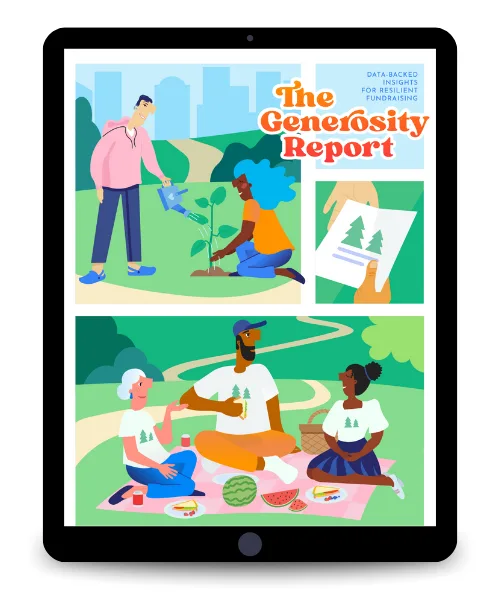
Go Beyond Donation: The Value of Volunteers
Learn how to build a thriving volunteer program that strengthens your community and amplifies your mission’s reach – download the Generosity Report now!
Your Volunteer Management FAQs, Answered
Have questions about building or improving your volunteer program? You’re not alone. Whether you’re just getting started or looking to fine-tune your existing approach, these frequently asked questions cover the fundamentals of volunteer management for nonprofits—from recruitment and organization to tracking and retention.
QUICK ANSWER
What is volunteer management?
Volunteer management is the strategic process of recruiting, training, organizing, engaging, and retaining volunteers in a way that perfectly aligns with your nonprofit’s broader goals. It’s about ensuring your volunteers feel empowered, valued, and supported while giving your organization the extra hands needed to run smoothly and effectively.
Key distinction: Effective volunteer program management isn’t just about scheduling; it transforms everyday supporters into dedicated community advocates by providing clear expectations, ongoing support, and meaningful recognition.
Volunteers are mission multipliers. They bring time, skills, and passion that let nonprofits do more without increasing budget. They also serve as ambassadors, advocates, and connectors in the community.Volunteers are mission multipliers who often go above and beyond their donated time. In fact, Neon One’s Generosity Report found that 39.61% of volunteers also register for events, and they significantly accelerate their financial giving after their third year of involvement. In short: Your volunteers help make your mission possible.
Managing volunteers effectively means having a plan in place—from clear role descriptions to consistent communication, ongoing training, and recognition efforts. The goal? Set volunteers up for success, make them feel like part of the team, and keep them coming back. (Pro tip: Start with a solid volunteer management plan that includes onboarding, scheduling, and feedback loops.)
Start by casting a wide net. Post on your website, social media, and platforms like VolunteerMatch or Idealist. Then zoom in: Reach out to schools, companies, faith groups, and local clubs. The key to how to recruit volunteers for a nonprofi is storytelling—show people the impact they can make, and make it easy to say “yes.”
To launch a successful nonprofit volunteer program, begin by identifying the needs you want volunteers to fill and using those to create detailed role descriptions. Next, find tools to help manage scheduling and communication and
set up a basic onboarding and training flow. Finally, define a strategy for how you’ll recognize and retain your volunteers, then start inviting people in. Be ready to adapt as you grow!
The volunteer management cycle includes five distinct phases: Recruitment, Onboarding, Engagement, Retention, and Evaluation. Each phase helps build long-term, meaningful relationships between your nonprofit and its volunteers.
A solid volunteer management plan includes role descriptions, recruitment strategy, onboarding steps, training and supervision, scheduling and communication systems, recognition programs, and evaluation metrics. Think of it as your roadmap for delivering a great volunteer experience while staying aligned with your organization’s goals.
Yes—especially if you’re managing a growing team. Whether it’s formal volunteer management training or learning through articles and peer networks, training helps you build the systems, culture, and communication strategies that make everything work better.
Volunteer management software helps streamline tasks like recruitment, scheduling, time tracking, and communication. Some tools (like Neon CRM) are comprehensive systems built for nonprofits, while others focus just on volunteers. There are free volunteer management software options out there, though features may be limited—start with your needs and work from there.
Tracking volunteer hours helps quantify impact, recognize contributions, and apply for funding (some grants even require it). It also gives you insights into how volunteers are supporting your mission—and where you might need more help.
Recruitment: Finding the Right Volunteers
Building a strong base of volunteers for your nonprofit starts with finding the right people to join. It really doesn’t matter how well you nail the other parts of volunteer coordination and management: if you don’t nail volunteer recruitment, you’ll find yourself constantly returning to square one.
Finding the right people is crucial because volunteers are incredibly loyal. In fact, our research shows that 56% of volunteers focus all of their generosity on a single nonprofit.
So, how do you build the perfect team of volunteers? Well, you start by understanding that there’s no such thing as “perfection.” Next, you follow these four best practices.
Define Roles & Responsibilities
Crafting your job description is not only about attracting the right candidates; it’s also the first place where you’re going to define and communicate your expectations.
Each role needs a clear title like “Event Coordinator” or “Social Media Volunteer.” Your description should lay out how the role contributes to your mission and connect their work to your broader goals.
Lay out the tasks and duties, so volunteers know what to expect, specifying the skills, experience, and attributes needed. Be upfront about the time required, detailing hours per week and any minimum commitment period.
Utilize Multiple Channels
To reach a diverse pool of potential volunteers, you’re going to want to use multiple recruitment channels.
Let’s start with your nonprofit’s website: At a minimum, it should have a dedicated volunteer page with detailed information and an easy-to-use application form. Using crm volunteer management tools like Neon CRM’s integrated recruiting forms allows you to build branded sign-up forms and use interest-based segmentation to attract and recruit new advocates seamlessly.
Branching out from there, your organization should also use websites like VolunteerMatch, Idealist, and Catchafire to connect nonprofits with potential volunteers who are actively seeking opportunities.
Regularly post volunteer opportunities and share success stories on social media platforms like Facebook, Instagram, and LinkedIn (that’s right! LinkedIn!) and encourage your supporters to share them. You can even provide them with some pre-written copy to help grease the wheels.
Finally, there are analog methods, like posting flyers and information at local community centers, libraries, and schools to reach individuals actively engaged in their communities. You never know where your next superstar volunteer might come from!
Create Compelling Messaging
You can’t just put up a job description and watch the volunteer applications roll in. You’ve got to craft a compelling message that inspires someone to sign up!
Start by highlighting the benefits of volunteering and the positive impact your volunteers can make. Next, tailor different messages to resonate with different target audiences. For instance, address your current supporters directly and personalize your messages to highlight how their continued involvement can make a difference.
Go beyond words by incorporating images and videos to show volunteers in action. Share stories and testimonials from current volunteers to provide social proof and highlight the rewarding aspects of volunteering.
Once you’ve done all that, you can finish up with a clear call to action, like “Sign up today!” or “Learn more about volunteering opportunities.”
Targeted Recruitment
Are you looking for a volunteer with specific skills or interests? Then perform some targeted recruitment outreach to make sure you find them.
Partner with local businesses to reach their employees who may be interested in volunteering. Engage schools and universities to recruit students and faculty members. You can also connect with professional associations to find volunteers with specialized skills like accounting, marketing, or IT.
Want to learn more about volunteer recruitment? Check out this article:

Onboarding: Setting the Stage for Success
STEP BY STEP
How to Onboard New Volunteers
- Comprehensive Orientation: Introduce new volunteers to your nonprofit’s leadership and staff, then share a brief history of the organization to foster a sense of pride and belonging. Provide an overview of your mission, values, and safety policies.
- Role-Specific Training: Offer training tailored to the specific tasks volunteers will be performing. This session should introduce them to your organization’s systems and tools. For example, using nonprofit volunteer management software allows you to provide a volunteer self-service portal, where new recruits can instantly log hours, view assignments, and manage their profiles from day one.
- Mentorship: Pair new volunteers with experienced mentors. Schedule regular check-ins between mentors and mentees to discuss progress, address challenges, and provide feedback.
- Welcome Kits: Provide a welcome kit that pairs essential resources (like a volunteer handbook, training schedules, and key contact information) with fun organization swag like branded t-shirts or tote bags.
Pro tip: Your onboarding process is the perfect time to invite your new volunteers to your next big fundraiser or community gathering! Giving them a save-the-date right away is a great way to deepen their connection to your community from day one.
Finding the right volunteers is super important, but then you have to follow up by giving them all the tools they need to s\ucceed. That’s where onboarding comes in.
A well-structured onboarding is crucial for setting the stage for a successful volunteer experience. It helps new volunteers understand the organization’s mission, values, and policies and prepares them for their roles.
Here are four elements that your volunteer onboarding should include.
1. Comprehensive Orientation
A thorough orientation session is your chance to equip new volunteers with all the tools they’ll need to make a big impact. Here’s how to make it count:
- Welcome & Introduction: Introduce your new volunteers to your nonprofit’s leadership and staff, then share a brief history of the organization that fosters a sense of pride and belonging.
- Mission & Values: Provide an overview of your nonprofit’s mission, values, and goals, and explain how their volunteer work will make a real impact.
- Policies & Procedures: Explain important policies and procedures, including safety protocols, confidentiality agreements, and attendance requirements. Provide a volunteer handbook if you have one.
- Role-Specific Training: Offer training tailored to the specific tasks volunteers will be performing. This may include hands-on training, demonstrations, or instructional videos.
- Tour of Facilities: Give volunteers a tour of your organization’s facilities (if you have them), including workspaces, restrooms, and emergency exits. Introduce them to key staff members and other volunteers they will be working with to foster a sense of community and teamwork.
- Q&A Session: Allow time for volunteers to ask questions and clarify any uncertainties. This can be done in a group setting or one-on-one, depending on the volunteers’ preferences.
A well-structured orientation not only imparts necessary information but also makes volunteers feel like they are part of a supportive community from day one.
2. Ongoing Training Programs
In the previous section, we mentioned that your orientation should include role-specific training to enhance volunteers’ confidence and competence from the start. This session should introduce them to your organization’s systems and tools (as is appropriate to their role) and should cover essential skills and procedures.
But training shouldn’t only be limited to your volunteers’ first day!
Your volunteer management program should also include regular training sessions to keep volunteers updated on new procedures, policies, and best practices. Workshops, webinars, and refresher courses provide continuous learning and skill enhancement.
You can use feedback from volunteers to identify areas where additional training might be beneficial, tailoring ongoing training to address these needs (and in case you were wondering, this will not be the last time we mention the importance of gathering feedback).
For your most dedicated volunteers, you can even provide opportunities for personal and professional growth, like leadership training or specialized skill-building sessions that encourage them to take on new challenges and responsibilities.
3. Mentorship
Pairing new volunteers with experienced mentors provides invaluable support and guidance. It will not only help them better execute in their given role; it will also foster the sense of community that is so critical to retaining volunteers and growing your mission.
Start by selecting experienced volunteers or staff members who are both knowledgeable and approachable (that second part is really important). Pair them with new volunteers based on roles, interests, and personalities to ensure productive and supportive relationships.
Schedule regular check-ins between mentors and mentees to discuss progress, address challenges, and provide feedback. These meetings can be formal or informal, depending on what works best for the given pair.
Help your mentors out by equipping them with resources like conversation starters, tips for providing feedback, and strategies for addressing common challenges.
With a solid mentorship program in place, your nonprofit can expect to see better retention rates as new volunteers feel more supported and integrated into the organization.
4. Welcome Kits
This is the least important item, but a nice welcome kit that pairs essential information and resources with some fun swag can still go a long way to making new volunteers feel valued and prepared for their roles.
Your nonprofit’s welcome kit should include most (or all!) of the following elements:
- Welcome Letter: A personalized letter from the organization’s leadership welcoming the new volunteer.
- Volunteer Handbook: A comprehensive handbook with information about the organization, policies, procedures, and role-specific details.
- Name Badge: A name badge or lanyard for identification.
- Organization Swag: Branded items such as t-shirts, tote bags, or pens to help volunteers feel part of the team.
- Contact Information: A list of key contacts and their roles within the organization.
- Training Schedule: A schedule of upcoming training sessions and events.
By the way, if you’re wondering what kinds of swag are going to help your nonprofit stand out from the crowd and get your supporters extra pumped, check out this article full of insights from Josh Kelly, PR Manager at Bonfire.

Engagement: Keeping Volunteers Motivated
Once your volunteers have been onboarded and their roles are in full swing, your focus should turn to engaging them—because keeping a great volunteer is both easier and more valuable than finding and molding a new one.
Engaged volunteers are deeply committed to their causes. In fact, 56% of volunteers focus all of their generosity on a single nonprofit (Neon One, The Generosity Report). Here are a few key things you can do to help keep your volunteers engaged, motivated, and interested in sticking around!
Recognition Programs
Recognizing and celebrating achievements demonstrates that your volunteers’ efforts are valued and appreciated. Publicly acknowledging your volunteers in newsletters, social media posts, and at events not only celebrates them, but a “Volunteer of the Month” feature can help create a sense of friendly competition.
For a more robust approach, throwing a party or hosting an appreciation dinner gives volunteers a chance to socialize and feel good about their contributions.
Feedback Mechanisms
Regularly soliciting and incorporating volunteer feedback is crucial for improving your volunteer experience and promptly addressing concerns. Effective methods for collecting feedback include distributing regular surveys, providing suggestion boxes, organizing focus groups, and scheduling one-on-one meetings.
A CRM that includes volunteer tools makes this seamless by centralizing your communications and automatically tracking supporter engagement scores, ensuring that your volunteers’ voices are heard and recorded.
Inclusive Culture
Want to make your volunteers feel included and welcomed? Foster an inclusive environment! Using inclusive language in all communications is a great place to start. As you step up your game, diversity training can help create a more understanding environment while ensuring diverse representation in leadership roles enriches your decision-making process.
Volunteer Appreciation Week
Celebrating National Volunteer Appreciation Week—which always falls in April—gives you the perfect chance to go the extra mile. Whether you hand-write thank-you notes or host a special event, showing your gratitude solidifies their connection to your mission.

Retention: Building Long-Term Relationships
Keeping volunteers engaged and committed is crucial for building long-term relationships. Implementing strategies such as regular communication, flexible scheduling, and fostering a sense of community can significantly enhance volunteer retention.
Retaining volunteers doesn’t just save you the hassle of recruiting new ones—it fundamentally transforms your nonprofit’s revenue potential over time.
BY THE NUMBERS
By the Numbers: The Value of Volunteer Retention
$234.85
The average first-time financial gift made by a volunteer
39.61%
The percentage of volunteers who also register to attend nonprofit events
3,080%
The massive increase in cumulative financial giving we see from volunteers who stay engaged from year one to year five
To unlock this kind of long-term support, nonprofits must focus on the following retention strategies:
Regular Communication
Consistent and effective communication fosters transparency, builds trust, and enhances the volunteer experience. Send regular volunteer newsletters with updates, stories, and recognition. Don’t forget to mix in offline personal interactions, like monthly coffee meetings, to allow for immediate feedback and relationship building.
Flexible Scheduling
Offering flexible scheduling options shows volunteers that your nonprofit values their time, reducing burnout and improving satisfaction. Allow volunteers to sign up for specific shifts that fit their schedules rather than committing to a set number of hours each week.
If your organization uses a centralized volunteer management system, you can empower supporters to self-manage their involvement. When volunteers can easily track their own volunteer hours and sign up for available shifts online, volunteering becomes much more sustainable.
Creating a Sense of Community
Activities and events that promote camaraderie and teamwork help volunteers feel connected. Organize team-building exercises, community clean-up days, and monthly meet-ups. In the digital realm, creating online forums or members-only website sections allows volunteers to connect, share stories, and offer support even when they aren’t on-site.

How Can Volunteer Management Software Help?
We’ve talked about a lot of different strategies and best practices so far in this article. And do you know what’s going to make executing all of this way easier? A dedicated volunteer management system!
According to Independent Sector, the average value of a volunteer hour is $36.41. When you multiply that across your entire volunteer base, you realize quickly that volunteer labor represents tens of thousands of dollars in community impact. Tracking and stewardships of that time shouldn’t be managed on disconnected spreadsheets.
Whether you decide on a dedicated platform or a comprehensive solution like Neon CRM, here are the core capabilities that make managing your team effortless:
- Shift & Project Management: Automated volunteer scheduling tools match supporters to open shifts based on their availability, skills, and preferences, ensuring full coverage without manual scheduling gaps.
- Volunteer Self-Service Empowerment Portal: Provide an online portal where volunteers can easily sign up for shifts, self-report and track volunteer hours, and access onboarding materials directly from any device.
- Program Health Dashboards: Generate real-time reports on total hours logged, roles filled, and community impact to share with board members, grantmakers, and stakeholders.
- Integrated Recruiting Forms: Embed branded application forms directly on your website to capture applicant interests, automatically route them into custom onboarding workflows, and segment them by skill set.
- Unified Supporter Stories: Capture every volunteer application, shift, and hours logged directly inside a single 360-degree constituent profile. Centralizing this data alongside giving history helps your development team identify when dedicated volunteers are ready to become financial donors or recurring supporters.
When it comes to managing supporters holistically, Neon CRM comes with built-in volunteer management tools for applications, sign-ups, project assignments, and time tracking.
And that’s just one part of what an integrated platform can do. Functions range from donor stewardship and membership management to fundraising campaigns, events, email marketing, and financial reconciliation.
If you’d like to see how Neon CRM helps you build community and save hours of administrative time, take a simple, self-guided tour!
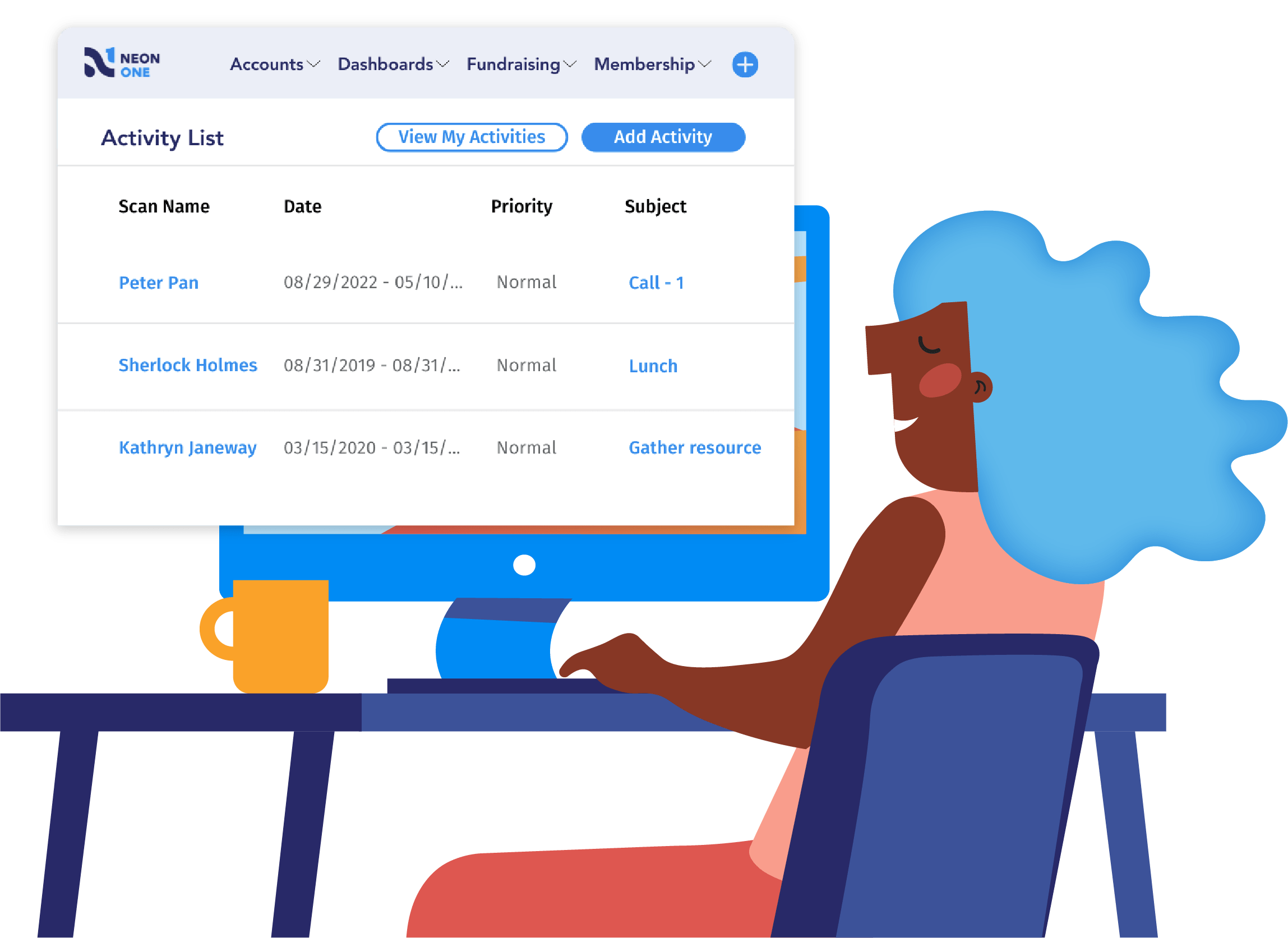
See Neon CRM in Action
Take this self-guided tour and see how top nonprofits build community, raise more, and save time with a single platform that manages it all!
Evaluating Your Volunteer Program
To ensure your volunteer program’s success and sustainability, you’ll need to be regularly evaluating your efforts. This involves setting measurable goals, tracking key performance metrics, and regularly gathering feedback. Here’s how to do it effectively:
Set S.M.A.R.T. Goals
Establish clear, measurable goals using the SMART criteria (Specific, Measurable, Attainable, Realistic, and Time-bound) to create a roadmap for success. By setting these specific goals, you can accurately measure progress and make informed adjustments to your volunteer program.
Send Surveys
Regularly distribute anonymous volunteer surveys to gather more quantitative data on the volunteer experience, training, and management. Ask questions about overall satisfaction, adequacy of training and support, effectiveness of communication, and suggestions for improvement.
Conduct Interviews
Schedule periodic one-on-one check-ins to discuss volunteers’ experiences personally and conduct exit interviews with volunteers who decide to leave to get qualitative data on your volunteer program.
Track Performance Metrics
Tracking key performance metrics helps assess the effectiveness of your volunteer management practices. Some key metrics to track include your volunteer retention rate, your total number of volunteer hours, your participation rates, and your feedback scores. Analyzing these metrics allows you to identify trends, understand volunteer engagement levels, and make data-driven decisions to improve your volunteer program.
Strive for Continuous Improvement
Use evaluation results to make continuous improvements. Regularly review feedback and survey results to identify trends and areas for improvement. Hold quarterly review meetings with volunteer coordinators to discuss findings and develop action plans. And don’t forget to recognize and celebrate improvements and successes with volunteers and staff.
By implementing these strategies and maintaining a cycle of evaluation and improvement, your volunteer program can adapt to meet the evolving needs of your volunteers—all to the benefit of your mission and the communities you serve.

Legal and Ethical Considerations
We’ve saved the best for last! And since this is the most lawyerly section of the article, we are duty-bound to clarify that that was sarcastic.
Ensuring legal and ethical compliance is nobody’s favorite part of running a program, but establishing clear volunteer guidelines for nonprofit teams is critical for maintaining a safe, fair, and transparent environment. Proper risk management protects everyone involved—from your staff and organization to your volunteers and the community members you serve.
Here are the three foundational areas every nonprofit must address to ensure complete program compliance.
Create Clear Policies
Developing and communicating clear policy guidelines regarding volunteer roles, responsibilities, and expected conduct sets clear boundaries and fosters a consistent, safe environment.
- Code of Conduct: Outline clear standards for behavior, professional interactions, respect for diversity, and adherence to organizational values. Explicitly state the consequences of policy violations to ensure everyone understands the expectations.
- Confidentiality Agreement: Ensure volunteers understand the importance of safeguarding sensitive constituent, donor, or organizational data. Clearly define what constitutes confidential information and outline the protocol for handling data securely.
- Safety Protocols: Provide documented procedures for emergency situations, hazard reporting, and role-specific safety measures (including policies for remote or virtual volunteering roles).
When creating these policies, keep in mind that your goal is to support volunteers by setting them up for success, not to overwhelm them with bureaucratic red tape.
Run Background Checks
Conducting background checks is vital for ensuring community safety—especially for volunteers working directly with vulnerable populations, handling finances, or managing sensitive data.
To conduct background checks fairly and legally, follow these sequential steps:
STEP BY STEP
How do you implement volunteer background checks?
- Clear Communication: Explain the background check requirement upfront during the recruitment process, detailing why it is necessary for community safety and how the findings will be evaluated.
- Obtain Written Consent: Secure clear, written authorization from the candidate before initiating any screening process.
- Maintain Confidentiality: Store screening results securely within your donor and volunteer management system, restricting access strictly to authorized HR or administrative personnel.
- Apply Policies Consistently: Apply identical screening criteria across all volunteers within a given role to eliminate any potential for bias or unfair treatment.
Pro tip: Secure data storage is just as important as running the background check itself. Make sure your donor and volunteer management system maintains strict security and PCI compliance standards to ensure your volunteers’ Personally Identifiable Information (PII) is permanently protected.
Background checks require administrative effort, but screening ensures your community remains protected while safeguarding your organization’s reputation and credibility.
Cover Insurance and Liability
Understanding insurance requirements and liability protections creates an essential safety net for unforeseen incidents.
- Liability Insurance: Verify that your nonprofit holds adequate General Liability and Volunteer Accident Insurance to cover potential injuries or property damage sustained during volunteer activities.
- Waivers and Releases: Require volunteers to sign comprehensive liability waivers and photo/media releases prior to starting service, ensuring they understand the inherent risks associated with their assignments.
- Safety Training: Conduct mandatory training covering emergency procedures and safe operational practices before assigning volunteers to physical or off-site tasks.
- Regular Risk Assessments: Perform periodic safety audits across your facilities and event sites to identify and resolve potential hazards proactively.
By addressing these legal and ethical considerations, your nonprofit creates a safe, equitable, and professional environment that fosters trust and encourages long-term supporter commitment.ate a safe, fair, and supportive environment for their volunteers, fostering trust and long-term commitment. If that sounds like a bummer, this is why you need a lawyer on your board. They live for this stuff.

Find the Right Volunteer Management Software for Your Nonprofit
Without a dedicated group of volunteers, the work of most nonprofits would grind to a halt. So, hopefully, this article has gotten you excited to create a thriving volunteer program. Implementing all the best practices we’ve laid out regarding onboarding, engagement, retention, technology, evaluation, and legal compliance won’t be easy—but it will pay off in a really major way.
Need some help finding the right volunteer management solution to help make your program a reality? We’ve got a full buyer’s guide with reviews of 16 top systems (including Neon CRM) that covers pretty much everything you’d want (or need) to know.

Author Bio
Alex Huntsberger, Content Marketing Manager
Alex Huntsberger is Content Marketing Manager at Neon One, where he brings his expertise in nonprofit fundraising, events, and memberships to the Neon One blog. Alex has spent over a decade as a content writer, search marketer, and communications pro. He’s also an experienced theater critic and arts writer, having covered plays and musicals across Chicagoland since 2010 for the Chicago Sun-Times, Time Out Chicago, and Newcity Stage. Like every other liberal arts grad in the Chicago area, Alex once worked for Groupon. He currently lives in Mundelein, IL, with his wife and their two children.