

GivingTuesday is one of the biggest fundraising days of the year. But, if you’re new to the nonprofit space or haven’t participated in GivingTuesday before, you may have some questions about it. In this post, we’ll explain the basics of GivingTuesday for both individuals and charitable organizations.
If you work for a nonprofit, Neon One’s GivingTuesday Resource Center has everything you’ll need to launch a great GivingTuesday campaign.
Get Your GivingTuesday Templates, Guides, and More!
Neon One’s GivingTuesday Resource Center has all the resources you need to craft an unforgettable campaign and kick off your year-end giving push.
1. What Is GivingTuesday?
GivingTuesday is an annual global day of generosity that encourages people to give back to their communities and to the world at large. It falls on the same day every year: the Tuesday after American Thanksgiving.
GivingTuesday began in 2012 as a part of the 92nd Street Y in New York City—which means that 2025 will mark its 13th anniversary. In the years since its founding, GivingTuesday has become its own standalone 501(c)(3) organization that works with other nonprofits and groups across the globe to organize and promote this annual day of giving.
The organization has come a long way since its inception. In 2024, nonprofits raised $3.6 billion on GivingTuesday in the United States alone!
2. Who Can Participate in GivingTuesday?
Anyone can! Nonprofits don’t have to sign up anywhere or do anything special to participate—they’ve got total control.
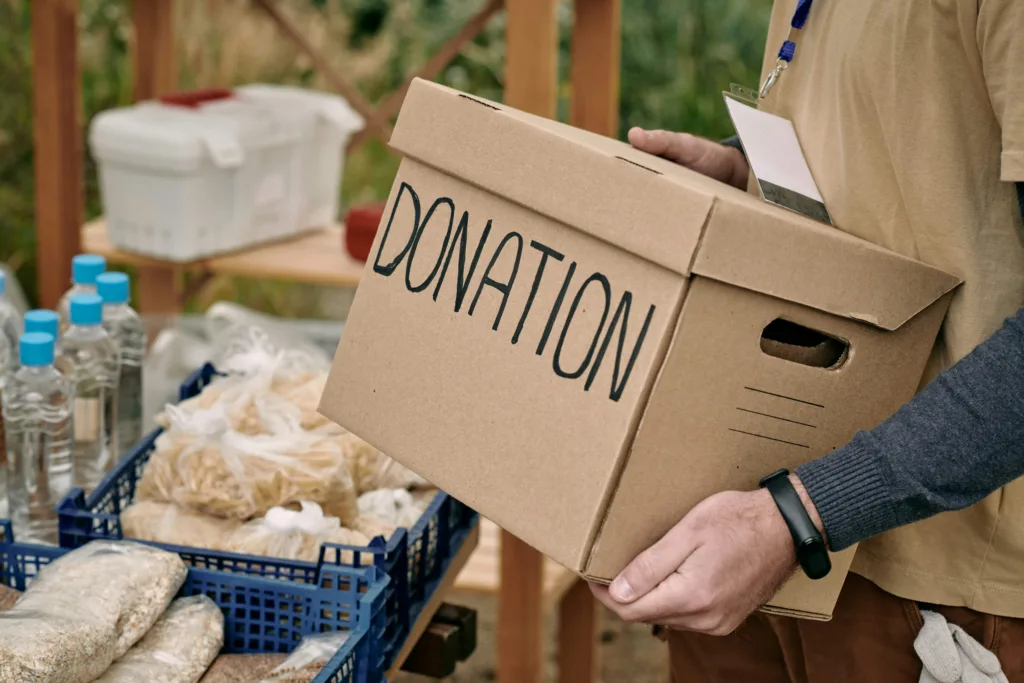
Some nonprofits choose to launch full-blown GivingTuesday campaigns that run across multiple channels. Others choose to celebrate by encouraging in-kind donations, volunteering, or peer-to-peer fundraising. Still, others use the day as an opportunity to highlight their supporters and publicly celebrate their contributions.
However they choose to observe GivingTuesday, organizations have the opportunity to join (or even form) GivingTuesday Community Movements. These location-based movements bring people and nonprofits together to support each other through philanthropic activity to improve their community.
There are also GivingTuesday cause-based coalitions, which are national campaigns centered around singular issues of causes, identities, or cultures. Some examples include #GivingTuesdayMutualAid, #LatinxGive, and #GivingZooDay.
3. When Is GivingTuesday 2025?
GivingTuesday is always held on the Tuesday after Thanksgiving. In 2025, GivingTuesday will be held on Tuesday, December 2.
GivingTuesday’s date is no accident. It falls after a number of unofficial post-Thanksgiving days that are based around holiday shopping: Black Friday, Small Business Saturday, and Cyber Monday.
Like those shopping days, GivingTuesday encourages people to get in the holiday spirit. But instead of buying gifts, GivingTuesday is a time for people to give back and support important causes.

4. How Does GivingTuesday Work for Individuals?
If you are an individual looking to give back on GivingTuesday, you have tons of options. You could participate by doing something informal, like giving your elderly neighbor a ride to the grocery store or doing a little impromptu trash pickup in a nearby park.
You can also look for opportunities to volunteer your time to an important cause or make a donation to a local charity. Supporting local or national nonprofits by donating your time or your money is a great way for individuals to make a difference on GivingTuesday.
If you are new to charitable giving and don’t know where to start, don’t worry; there are plenty of ways for you to discover nonprofits whose missions and work you’d like to support.
You can also ask your friends, family members, and professional network what organizations they are supporting. Use the hashtag #GivingTuesday on social media and ask your network what causes and nonprofits they are supporting this year. You’ll likely get some great answers!
If you are interested in joining a local GivingTuesday Community Movement, you can find one in your area by checking out GivingTuesday’s interactive map of United States-based Community Movements.
If you want to do a little research before giving, sites like CharityNavigator.org, GuideStar.org, and Charities.org are great places to start. You can use them to learn more about nonprofit organizations nationwide and across the globe.
5. How Does GivingTuesday Work for Nonprofits and Charities?
GivingTuesday presents a fantastic opportunity for nonprofits and charitable organizations. As GivingTuesday has grown in popularity over the past decade, people are more likely to be primed to give back when the date rolls around again.
If you want to participate in GivingTuesday at your own nonprofit, you can make your campaign as targeted or as general as you see fit (and as your resources allow).
Some nonprofits use GivingTuesday as a launchpad for their end-of-year giving campaigns. Others use GivingTuesday to raise money towards a single goal for a targeted campaign. Still, other organizations use the day to drive volunteer sign-ups. The choice is up to you!
5. What’s In It for GivingTuesday? Do They Get a Cut? Do I Have To Use Their Platform?
In reverse order, the answers to those questions are no, no, and they’re in it purely to do good!
You do not have to register with GivingTuesday in order to run a GivingTuesday campaign. You’re also not required to use a GivingTuesday-related fundraising platform or give GivingTuesday a cut of your donations. Everything you raise (minus the normal processing fees, of course) is yours.
In the operational sense, a GivingTuesday fundraiser is like any other fundraising campaign: You use emails, social media posts, and even things like events and direct mail campaigns to funnel donors to your own donation pages, where they’ll then complete their transaction.
While other types of partnerships might involve trade-offs for a nonprofit, GivingTuesday doesn’t really come with any strings attached. With increased attention on the acts of generosity and service that this global day of giving entails, there’s basically no reason not to participate!
6. What Makes an Effective GivingTuesday Campaign?
An effective GivingTuesday campaign goes beyond simply asking for donations; it’s about creating a compelling narrative that resonates with your audience and inspires action.
To stand out on this global day of giving, successful campaigns leverage storytelling, clear goals, and a strong call to action.
Typically, a GivingTuesday campaign will include these elements:
- A fundraising goal. As with most campaigns, many nonprofits set a specific fundraising goal for GivingTuesday. This is most effective when the goal amount is connected to a tangible outcome, like funding a set number of scholarships or providing means to a specific number of people.
- Pre-event communications. Many organizations spread the word about their upcoming GivingTuesday campaigns in emails or social media posts before the big day.
- Day-of communications. On GivingTuesday itself, nonprofits will typically share a mix of appeals and updates with their supporters. Sending one or two email appeals is most effective. They’ll share more frequent appeals and updates on their social media channels.
- GivingTuesday-specific fundraising assets. Campaigns launched on this day are typically supported by client stories, pictures and videos, and even live streaming video. Many organizations will even create an online donation form specifically for GivingTuesday.
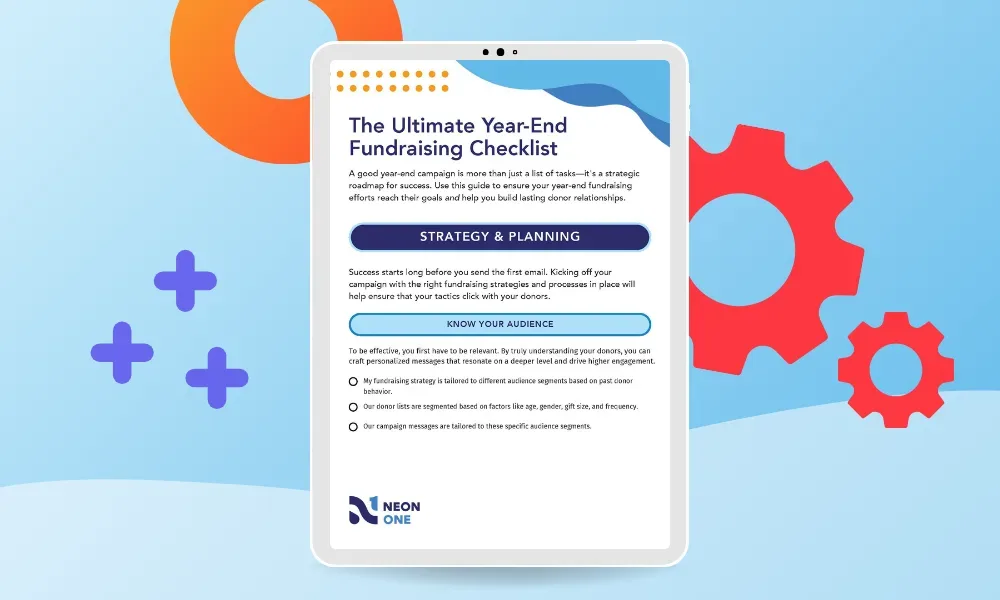
- Post-event communications: Since GivingTuesday occurs right at the beginning of the end-of-year fundraising season, thanking donors promptly and sharing their gift’s impact before they receive an end-of-year appeal is key.
Planning a GivingTuesday campaign with those elements might feel overwhelming, especially if you’ve never done it before. If you want some help planning and executing your campaign, you should check out our GivingTuesday Resource Center. It’s got social media and email templates for every stage of your campaign, plus planning worksheets, articles, and other handy resources.
7. Will GivingTuesday Promote My Fundraiser?
As we said earlier, GivingTuesday is a movement. They won’t provide you with any advertising or promotional services.
This is basically the flip side of what we discussed in the previous section. Even though you’ll have to promote your own GivingTuesday fundraiser, you’ll still benefit from all the excitement generated by the event.
As you look for ways to connect with existing supporters and new donors, social media will be an important tool. GivingTuesday campaigns generate billions of social media impressions each and every year.
Remember, a constituent’s participation may take the form of a donation, volunteer time, or in-kind donations. It can also include advocacy!
People may be willing to amplify your messaging by sharing your posts to their networks. Use the hashtag “#GivingTuesday” to expand your reach and capitalize on this opportunity.
8. What’s the Best Way to Use Social Media on GivingTuesday?
One word: Videos.
Social media algorithms favor videos. People are drawn to videos. And don’t think you need to invest thousands of dollars into making a video. Heck, you can even film a video on your volunteer’s iPhone.
Your donors love your nonprofit because of the work that you do every day to support your cause. Use video content as a way to invite them into your everyday processes.
Footage of your staff and volunteers working behind the scenes on events and programs build authenticity and drive personal connections between your audience and your org.
9. Is GivingTuesday Really Worth It?
You’ve probably seen a lot of “all-or-nothing” opinion pieces on GivingTuesday.
Some people are skeptical of it, thinking it can negatively impact year-end fundraising, while others believe that simply sharing a few social posts in a deluge of dollars and new donors.
The truth is, neither of those two things is true. Like any campaign you might run, GivingTuesday is what you and your team make of it.
If you’ve never done a GivingTuesday fundraiser before, we recommend starting small and working up to more extensive and complex campaigns once you’ve tested the waters.
Start by setting a fundraising goal, gathering a few stories, and planning a simple GivingTuesday communications strategy. If you’re campaign is successful, you can build on it next year!
10. How Should I Balance GivingTuesday with Year-End Fundraising?
This is one of the most common GivingTuedays concerns out there, so much so that we referenced it in the previous section. People are (rightly!) concerned that GivingTuesday won’t lead to them raising more money. All it will do, instead, is cannibalize their year-end giving.
Luckily, the answer here is simple: Use GivingTuesday to kick off your end-of-year campaign.
Thinking of GivingTuesday as a part of your year-end fundraising campaign can open up a new window of opportunities, maximizing your fundraising potential.
Doing separate campaigns for both can dilute your message, leaving donors uninspired during the most crucial month of the year.
11. How Can Smaller Nonprofits Stand Out on GivingTuesday?
If you work with a smaller nonprofit, don’t measure the success of your Giving Tuesday campaign against what national or international organizations were able to do. Instead, focus your resources on making an impact with your current audience.
Okay, now that we’ve gotten that pleasant, if slightly wishy-washy sentiment out of the way, here’s some concrete advice:
If it’s the only thing you do on GivingTuesday, organize a peer-to-peer campaign.
Peer-to-peer campaigns are a great way to energize your current audience while tapping into their extended network.
Create a simple toolkit for your individual fundraisers, and use that to mobilize your supporters. Remember to invite your board members to participate, too!
As for polished campaign promotions and design elements, forget those in favor of showcasing real people behind your mission. Lift the veil and share behind-the-scenes videos of your team constituents. Remember, authenticity beats perfection every time.
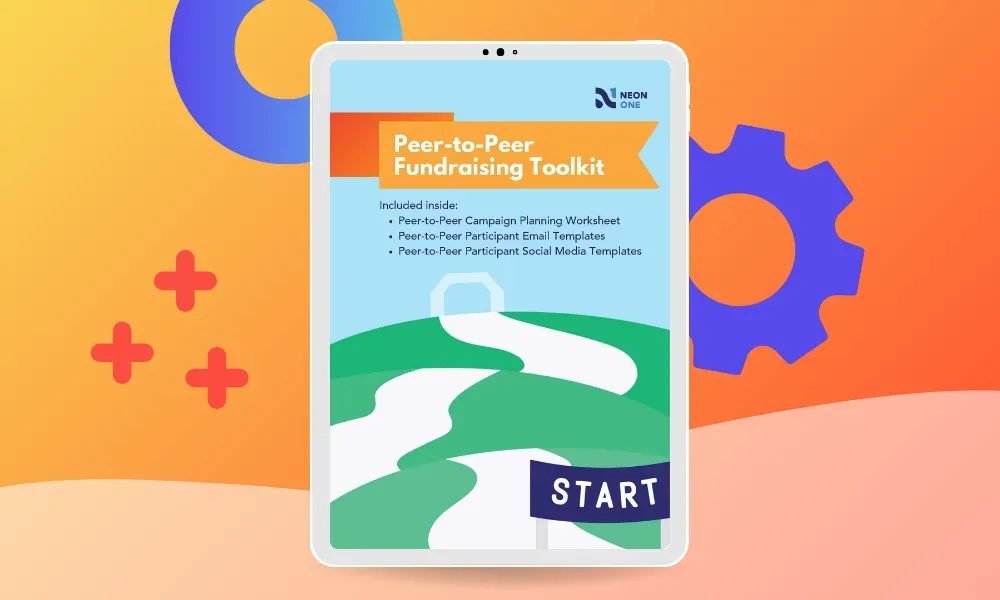
By the way: If you want some help building that toolkit we mentioned, we’ve got just the thing to help. The templates and planning timelines in our peer-to-peer fundraising toolkit will help your participants raise money on GivingTuesday like seasoned pros.
12. How Can You Avoid Donor Burnout on GivingTuesday?
Here’s the thing: GivingTuesday doesn’t have to be about fundraising. There are all kinds of ways to inspire your audience without burning them out.
If you reframe GivingTuesday as a day of action, rather than simply a day of fundraising, you’ll find that there are many ways to engage your constituents.
For example, a lot of organizations use it as a day to focus on donor stewardship efforts.
After all, your supporters are going to be flooded with appeals on December 2nd. Stand out from the crowd by extending a sincere thank-you rather than an ask.
However, if you do decide to send out fundraising appeals, use email segmentation to make sure you’re not exhausting recent donors.
Simply decide on who you need to target separately, figure out their messaging needs, and craft different appeals to suit each audience.
Get Everything You Need for GivingTuesday 2025
Opportunities like GivingTuesday are rare—there aren’t many holidays focused exclusively on connecting donors to charities. Your organization should plan on running a GivingTuesday campaign as a part of your annual calendar and look for ways to engage both new and returning donors in your community.

Are you ready for GivingTuesday 2026?
Check out our GivingTuesday Resource Center and get the tools you need to plan your 2026 campaign. Templates, worksheets, calendars, checklists—they’re all here!